Drone Piloting and Aerial Photography Courses: Your 2026 Guide
 Oct, 18 2026
You just unboxed your new DJI Mini 4 Pro or maybe you’re eyeing a heavy-duty DJI Matrice for commercial work. You’ve watched enough YouTube tutorials to feel confident, but the moment you take off, the wind hits, and suddenly that smooth cinematic shot looks like a shaky mess. Or worse, you realize you have no idea if you’re legally allowed to fly over that specific park in downtown Austin.
This is where formal education changes the game. Taking structured drone piloting and aerial photography courses isn’t just about learning which button makes the camera spin; it’s about mastering flight physics, understanding airspace regulations, and developing an artistic eye from 400 feet up. Whether you want to capture stunning real estate listings, conduct safe industrial inspections, or simply avoid a hefty FAA fine, the right training bridges the gap between hobbyist fumbling and professional precision.
Why Self-Taught Flying Often Hits a Wall
Most beginners start with trial and error. It works until it doesn’t. You might crash into a tree because you didn’t understand how GPS hold behaves near magnetic interference, or you might get fined $1,000 for flying at night without proper anti-collision lights. Self-teaching lacks the safety net of expert feedback. Instructors spot bad habits-like drifting too close to power lines or ignoring weather patterns-that you can’t see yourself making.
Aerial photography adds another layer of complexity. It’s not just about pointing a lens down; it’s about composition, lighting angles, and post-processing workflows that differ vastly from ground-level shooting. Without guidance, you end up with technically perfect flights but boring photos, or beautiful shots that are legally risky. Courses force you to slow down, learn the rules, and practice deliberate skills rather than relying on luck.
The Core Curriculum: What You’ll Actually Learn
Don’t let the term "course" scare you. These aren’t four-year degrees. Most reputable programs range from weekend intensives to six-week online modules. They generally break down into three pillars: regulatory knowledge, technical piloting, and creative application.
Part 107 Certification is the gold standard for US commercial pilots. This exam covers airspace classifications, weather effects on drones, loading and performance calculations, and crew resource management. Even if you don’t plan to go pro immediately, studying for this ensures you know where you can and cannot fly. For example, knowing the difference between Class B and Class G airspace prevents you from accidentally entering a busy airport corridor.
Beyond the paperwork, hands-on flight training teaches stick proficiency. You’ll learn manual mode flying, which disconnects GPS assistance, forcing you to rely on visual line-of-sight and reflexes. This skill saves you when batteries die mid-flight or when signal loss occurs. You’ll also master emergency procedures, such as return-to-home failures and motor-out scenarios.
Creative Skills: Framing the World from Above
Aerial photography requires a different mental model. Ground photographers look for leading lines; drone pilots look for patterns, symmetry, and negative space. Courses teach you how to use altitude to change perspective entirely. A subject that looks cluttered at eye level becomes a clean graphic design element from 100 feet up. You’ll learn about ND filters (neutral density) to control shutter speed in bright sunlight, ensuring your video footage has that smooth, cinematic motion blur instead of looking choppy.
Choosing the Right Course Format
Not all training fits every lifestyle. Here’s how to decide what works for you:
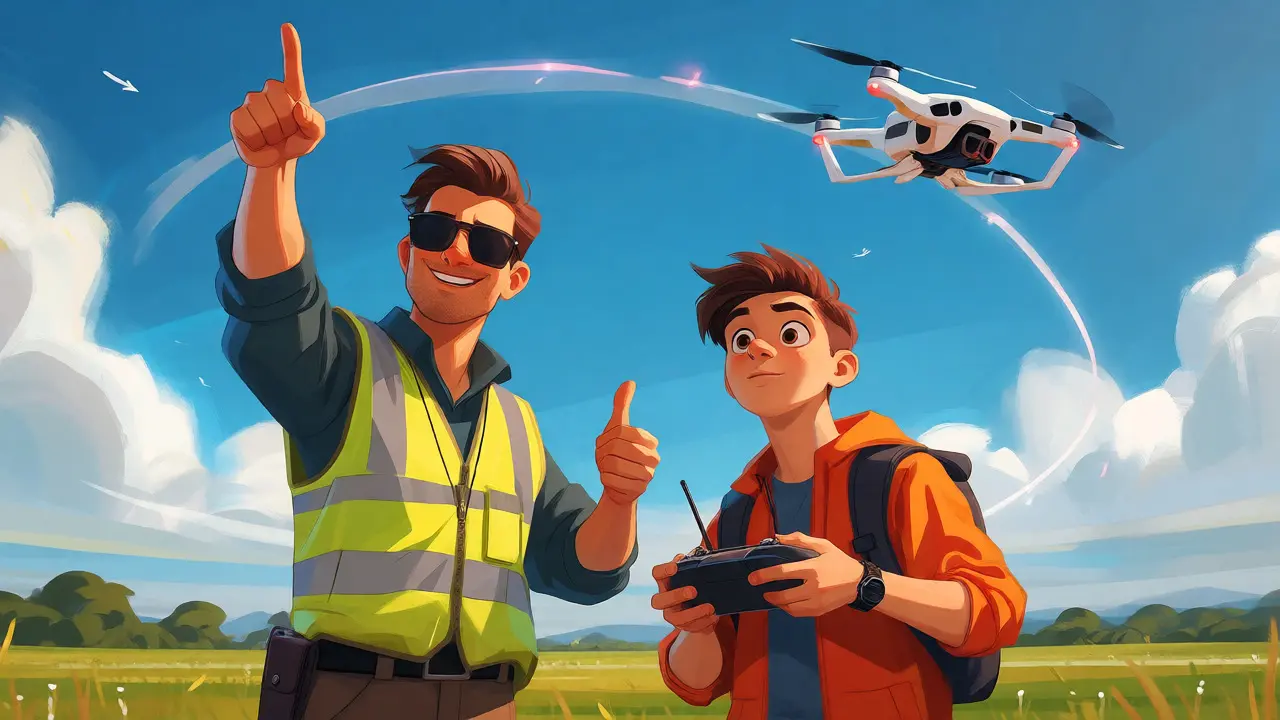
- In-Person Flight Schools: Best for absolute beginners who need physical supervision. An instructor stands next to you, correcting your thumb movements in real-time. Look for schools certified by the FAA or recognized bodies like the Academy of Model Aeronautics (AMA). Cost typically ranges from $500 to $2,000 depending on duration.
- Online Part 107 Prep: Ideal if you already have some flight experience but need to pass the written exam. Platforms like Pilot Institute or Drone Launch Academy offer video lectures, quizzes, and mock exams. This is cost-effective ($99-$299) but lacks hands-on correction.
- Hybrid Models: Combine online theory with local field days. You study regulations at home, then meet a certified instructor once a month for practical flight sessions. This balances budget with safety.
- Specialized Workshops: Focus on niche skills like thermal imaging for solar panel inspection or FPV (First Person View) racing techniques. These are shorter, intense bursts of learning for specific career goals.
Cost vs. Value: Is It Worth the Investment?
Let’s talk numbers. A basic online course might cost $100. A comprehensive boot camp could run $1,500. Does spending that much make sense? Consider the cost of a crash. Replacing a broken gimbal or propeller set costs $100-$300. If a single crash destroys your main unit, you’re out $1,000+. Proper training reduces accident rates significantly. Furthermore, if you aim for commercial work, clients pay more for certified pilots. Insurance companies often require proof of training before issuing liability policies, which can cost $500-$1,000 annually. Training pays for itself through insurance discounts and fewer repairs.
| Format | Avg. Cost | Best For | Key Benefit |
|---|---|---|---|
| Online Exam Prep | $99 - $299 | Passing Part 107 | Flexible schedule, low cost |
| Weekend Workshop | $300 - $600 | Skill refinement | Hands-on feedback, networking |
| Full Boot Camp | $1,000 - $2,500 | Career switchers | Job placement help, deep dive |
| University Certificate | $3,000+ | Academic credentials | Transferable credits, prestige |
Legal and Safety Essentials You Can’t Skip
Flying blindly into restricted zones is a rookie mistake that carries real consequences. In 2026, airspace rules have tightened around urban areas. Courses emphasize using apps like AirMap or AutoPilot to check local NOTAMs (Notices to Air Missions). You’ll learn that flying over crowds requires different waivers than flying over empty fields. Understanding these nuances protects your license and your wallet.
Battery safety is another critical topic. Lithium-polymer batteries are volatile if mishandled. Training teaches you storage protocols, charge cycles, and how to identify swollen cells before they fail mid-air. Ignoring this leads to catastrophic drops, which are often uninsurable if negligence is proven.
From Student to Pro: Building a Portfolio
Once you complete a course, don’t stop there. The best way to solidify skills is to build a portfolio. Start with free gigs for friends moving houses or local small businesses needing social media content. Apply your composition lessons: shoot during golden hour, use rule-of-thirds grids, and experiment with parallax effects. Post-process your images using software like Adobe Lightroom or Luminar Neo, which have AI tools specifically designed for aerial distortion correction.
Join local drone clubs. Organizations like the Drone Manufacturers Alliance host meetups where pilots share tips and critique each other’s work. Feedback loops accelerate improvement faster than solitary practice ever could.
Do I need a license to take a drone piloting course?
No, you do not need a license to enroll in most courses. However, if you plan to fly commercially in the US, you will need to pass the FAA Part 107 Remote Pilot Certificate test after completing your training. Some advanced courses may recommend prior experience, but beginner classes assume zero knowledge.
How long does it take to become proficient in aerial photography?
Basic proficiency takes about 20-40 hours of flight time combined with coursework. To reach a professional standard where you consistently deliver high-quality client work, expect 3-6 months of regular practice. Consistency matters more than intensity; flying twice a week yields better results than one marathon session per month.
Are online courses enough to learn how to fly?
Online courses are excellent for theory, regulations, and editing techniques. However, they cannot replace muscle memory developed through actual flying. For safe piloting, especially in windy conditions or complex environments, hands-on instruction with a qualified trainer is highly recommended to prevent crashes and develop instinctive reactions.
What equipment do I need for a beginner course?
Most introductory courses provide rental drones for practice. If you bring your own, ensure it has GPS stabilization and a decent camera (e.g., DJI Mini series or Mavic series). You will also need a laptop for editing software, SD cards with high write speeds (V30 or higher), and appropriate ND filters for video shooting.
Can drone training help me get a job?
Yes. Industries like construction, agriculture, real estate, and film production actively hire certified drone operators. Completing a recognized course demonstrates commitment and competence to employers. Many boot camps also offer job placement assistance or connect students with local contracting opportunities.