FERPA in Online Learning: A Guide to Student Privacy
 Nov, 27 2026
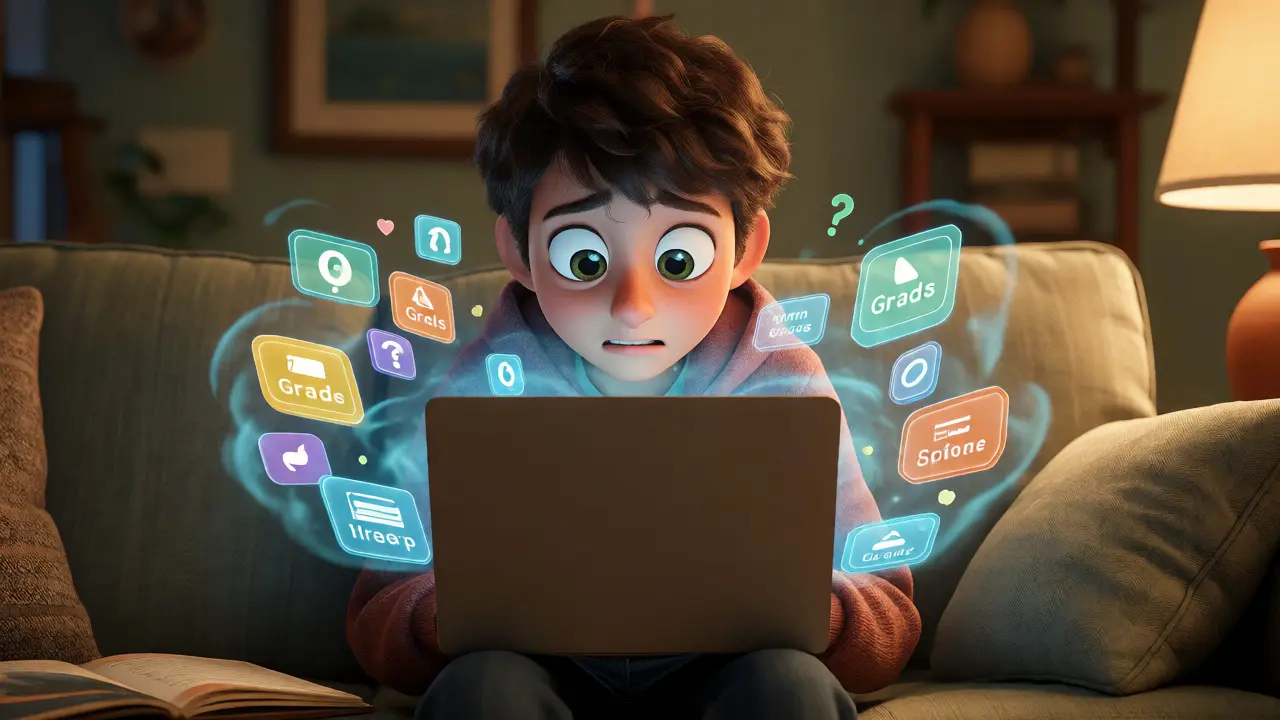
You’re sitting in your living room, laptop open, taking a lecture on cloud computing. The professor posts the midterm grades in the shared class forum so everyone can see how they did relative to their peers. You feel a pang of anxiety. Is that legal? Can anyone else see my name next to my grade? This isn’t just awkward; it’s a potential violation of FERPA, the Family Educational Rights and Privacy Act, a federal law that protects the privacy of student education records.
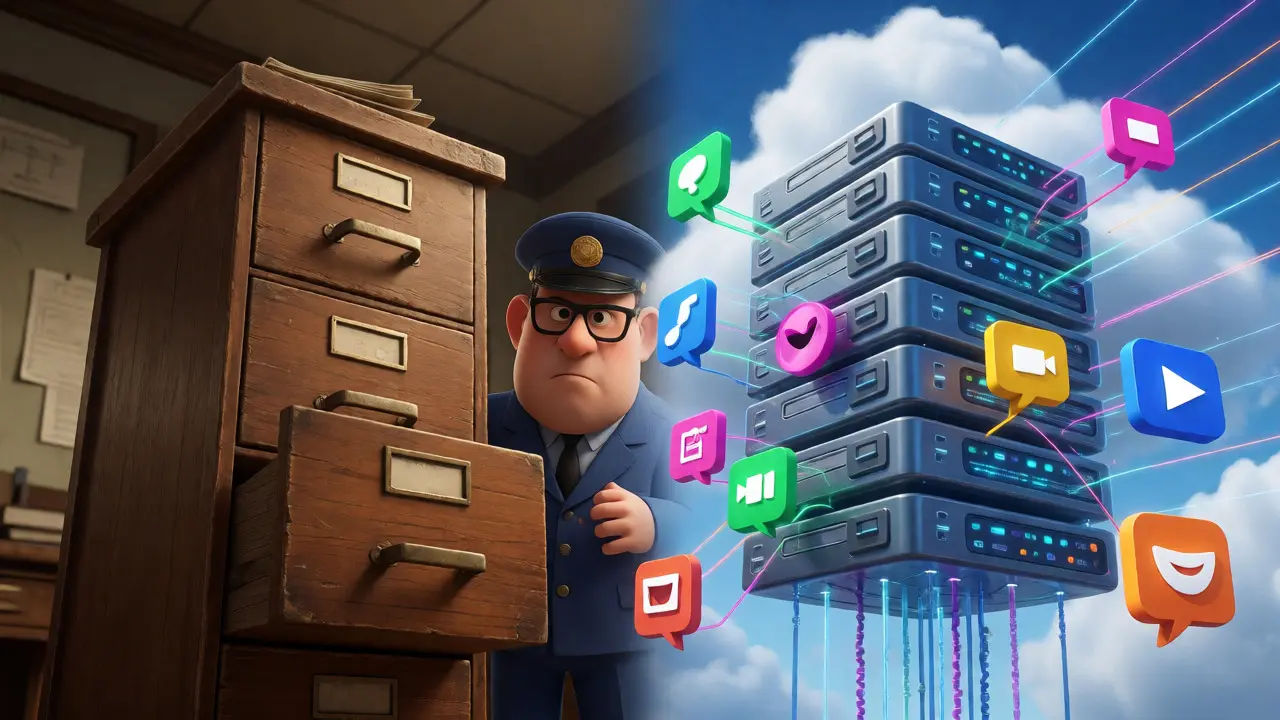
For decades, FERPA was straightforward. Your file sat in a locked cabinet at the registrar’s office. Only you and authorized school officials could touch it. But then came the shift to digital classrooms, cloud-based grading systems, and third-party apps like Zoom or Canvas. Suddenly, your "education record" wasn't just paper; it was data points floating across servers owned by private companies. If you’re an educator, administrator, or even a concerned parent, understanding how this 1974 law applies to today’s tech stack is no longer optional-it’s essential for staying compliant and keeping trust.
What Actually Counts as an Education Record?
The biggest confusion around student privacy starts with defining what we are actually protecting. Many people assume everything about a student is private. It’s not. FERPA distinguishes between "directory information" and "education records." Directory info-like your name, address, phone number, and major-is public unless you opt out. But once that information is linked to your academic performance, it becomes protected.
An education record is any record directly related to a student that is maintained by an educational agency or institution. In an online context, this gets tricky. Does a chat log count? Yes, if it contains personal information or grades. Does a video recording of a student asking a question count? Generally, yes, if it’s stored and accessible to others beyond the immediate participants.
- Grades and Transcripts: Obviously protected. Posting them publicly without consent is a classic violation.
- Discipline Records: Disciplinary actions taken against a student are protected records.
- Financial Aid Info: How much aid you receive is part of your record.
- Metadata: This is the new frontier. Login times, IP addresses, and device IDs collected by learning platforms can sometimes be tied back to identity, making them subject to scrutiny under broader privacy laws, though FERPA specifically targets the content of the record.
The key test is accessibility. If a teacher posts a spreadsheet of grades where only the last four digits of student IDs are shown, but the order matches the roster perfectly, is that safe? Probably. But if the spreadsheet includes full names and is downloadable by all students, you’ve likely crossed the line.
The "School Official" Exception and Third-Party Vendors
Schools don’t have to get written consent from every student before sharing data with teachers or administrators. That’s the "school official" exception. But who counts as a school official in the age of SaaS (Software as a Service)? When a university hires Canvas or Blackboard to host courses, those vendors become "school officials" under FERPA, provided they meet specific criteria.
To qualify, the vendor must:
- Perform an institutional service or function for which the school would otherwise use its own employees.
- Be under the direct control of the educational institution regarding the use and maintenance of education records.
- Use the records only for authorized purposes and not disclose them to other parties except as permitted by FERPA.
This sounds simple until you look at the fine print of vendor contracts. If a platform uses your student data to train its AI algorithms or sells aggregated insights to advertisers, does it still fit the definition? Often, no. Schools must ensure their contracts explicitly forbid vendors from using student data for secondary commercial purposes. If a free app asks for access to your child’s contacts and location while doing homework, check if that school has vetted that vendor. If they haven’t, the school might be liable for the breach.
Parental Rights vs. Student Autonomy
A common misconception is that parents always have access to their child’s records. Under FERPA, rights transfer from the parent to the student when the student turns 18 or attends a postsecondary institution. This is called becoming an "eligible student." For K-12, parents hold the keys. For college, the student holds the keys.
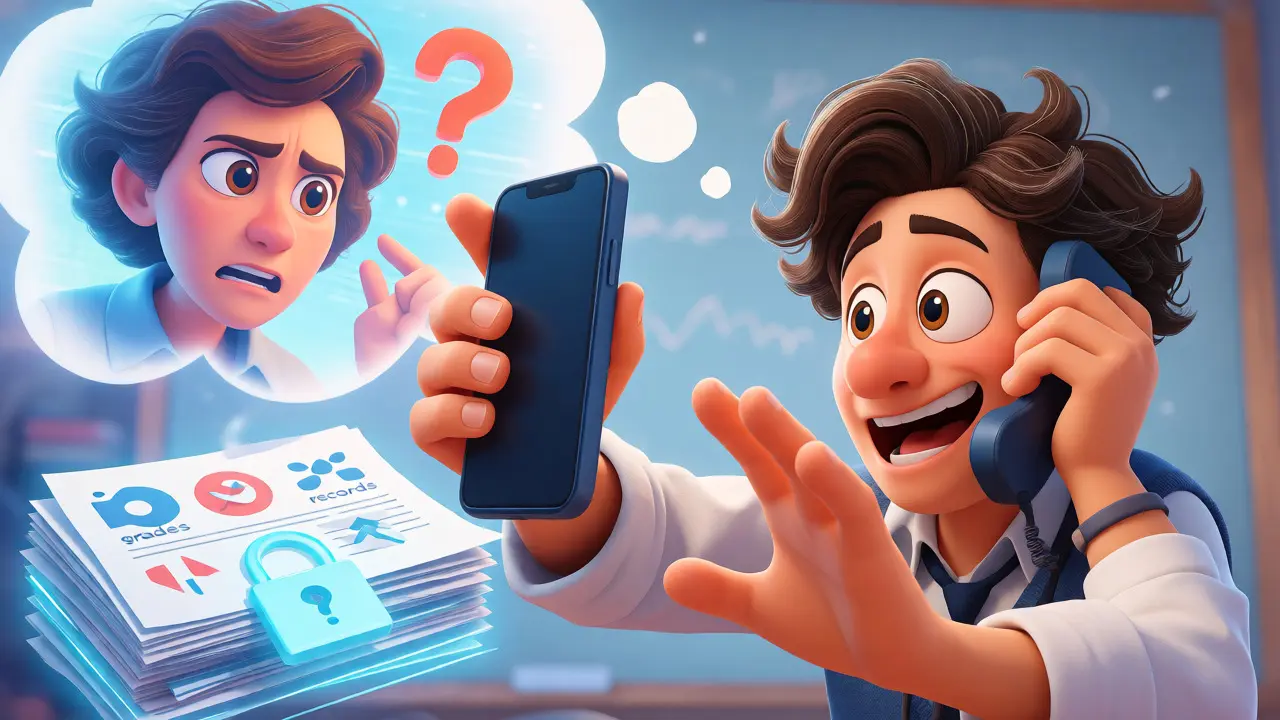
In online learning environments, this creates friction. Imagine a college freshman struggling with a course. Her mom calls the professor, worried she’s failing. The professor cannot legally tell the mom the grade without the student’s written consent, even if the mom pays the tuition. This surprises many families. The law prioritizes the adult student’s autonomy over parental concern.
However, there are exceptions. If the student is claimed as a dependent on the parents’ tax return, the school may release records to the parents. Also, in cases of health or safety emergencies, schools can share information without consent. But these are narrow lanes. Don’t assume "I pay the bills" equals "I see the report card" in higher ed.
Data Security Beyond FERPA
FERPA tells you *who* can see the data, but it doesn’t fully dictate *how* it’s secured. That’s where state laws and general cybersecurity best practices come in. California’s CCPA (California Consumer Privacy Act) and other state-level regulations add layers of complexity. If your online program serves students from multiple states, you’re juggling a patchwork of rules.
| Feature | FERPA (Federal) | State Laws (e.g., CCPA/COPPA) |
|---|---|---|
| Scope | Educational institutions receiving federal funds | Businesses handling consumer/student data |
| Consent Model | Opt-out for directory info; Opt-in for disclosure | Often requires explicit opt-in for sensitive data |
| Right to Delete | Limited (records must often be kept) | Stronger right to request deletion |
| Enforcement | Federal funding withdrawal (rarely used) | Fines and lawsuits (common) |
Technically, FERPA enforcement is weak. The Department of Education rarely withdraws funding. The real risk comes from reputational damage and state-level fines. Therefore, institutions treat FERPA compliance as a baseline, not the ceiling. Encryption in transit and at rest, multi-factor authentication, and regular audits are now standard expectations for any credible online learning platform.
Practical Steps for Educators and Admins
If you’re managing an online program, you don’t need a law degree to stay safe. You need habits. Here is a checklist to reduce risk:
- Review Vendor Contracts: Ensure every third-party tool has a Data Processing Agreement (DPA) that aligns with FERPA. Ask: "Do you sell our data? Do you use it for marketing?"
- Limit Directory Information: Be conservative. Just because you *can* list emails doesn’t mean you should. Check if students have opted out of directory disclosures.
- Secure Communication Channels: Avoid sending grades via unencrypted email. Use the LMS (Learning Management System) portal. If you must email, password-protect attachments or use secure links.
- Train Faculty: Professors often violate FERPA unintentionally. They leave graded exams on desks, read names aloud in large lectures, or post photos of student work on social media. Regular training helps prevent these slips.
- Document Consent: If you plan to use student work in case studies or publish research involving student data, get written consent. Keep these forms organized.
Remember, technology changes faster than legislation. A new AI tutoring tool might collect voice data to assess pronunciation. Is that an education record? Likely yes. Treat any new data point with caution until you verify its classification.
Common Pitfalls in Online Learning Environments
Even well-intentioned admins stumble here. One frequent error is assuming that "de-identified" data is completely anonymous. Researchers often strip names and IDs from datasets to study learning patterns. However, if the dataset is small enough, you can re-identify students by cross-referencing demographics, majors, and GPA ranges. True anonymity is hard to achieve. Always apply a "mosaic effect" check: could someone piece together the identity from various fragments?
Another pitfall is ignoring alumni status. FERPA protections generally end when a student graduates or leaves the institution, but schools often maintain alumni records voluntarily. Be clear about what happens to data after graduation. Some states require destruction of certain records after a set period, while others allow indefinite retention.
Finally, watch out for "peer review" activities. In online writing classes, students often review each other’s drafts. If Student A sees Student B’s draft with comments and grades, is that a disclosure? Usually, yes, but it falls under the "legitimate educational interest" exception if the activity is part of the curriculum. However, posting those reviews on a public blog breaks the exception. Context matters immensely.
Does FERPA apply to private online bootcamps?
Generally, no. FERPA applies to educational agencies and institutions that receive funds under an applicable program of the U.S. Department of Education. Most private, non-degree-granting bootcamps do not receive federal funding, so they are not bound by FERPA. However, they may still be subject to state privacy laws or their own terms of service.
Can professors post student grades online?
They can, but only if the system allows students to access their own grades privately or if the grades are posted in a way that does not reveal the identity of other students (e.g., using random codes instead of names). Posting a list of names with corresponding grades visible to all classmates typically violates FERPA.
Are emails sent by students considered education records?
Not necessarily. Emails are only considered education records if they are directly related to a student and maintained by the institution. If a professor saves a student’s email containing a complaint about a grade in the student’s file, it becomes a record. If the email remains only in the professor’s inbox and is never filed, it might not be classified as a formal education record, though best practice suggests treating it carefully.
How long do schools have to keep FERPA records?
FERPA does not specify a retention period. It depends on state laws and institutional policies. Many universities keep transcripts permanently but discard disciplinary or financial records after 5-7 years. Students should check their specific institution’s records retention schedule.
What is the penalty for violating FERPA?
The theoretical penalty is the loss of all federal funding for the institution. In practice, this almost never happens. Instead, violations usually result in corrective action plans, increased monitoring, and potential civil liability or state fines. Reputational damage is often the most significant consequence.