How Online Learning Is Democratizing Education in 2026
 May, 20 2026
The Shift from Elite Access to Universal Opportunity
Remember when getting a degree meant packing your bags for four years and spending a fortune? That model is crumbling. In 2026, the democratization of education through online learning isn't just a buzzword; it's the reality for millions of people who previously had no shot at higher education or professional upskilling. We are seeing a massive shift where geography, income, and traditional credentials matter less than curiosity and access to a laptop.
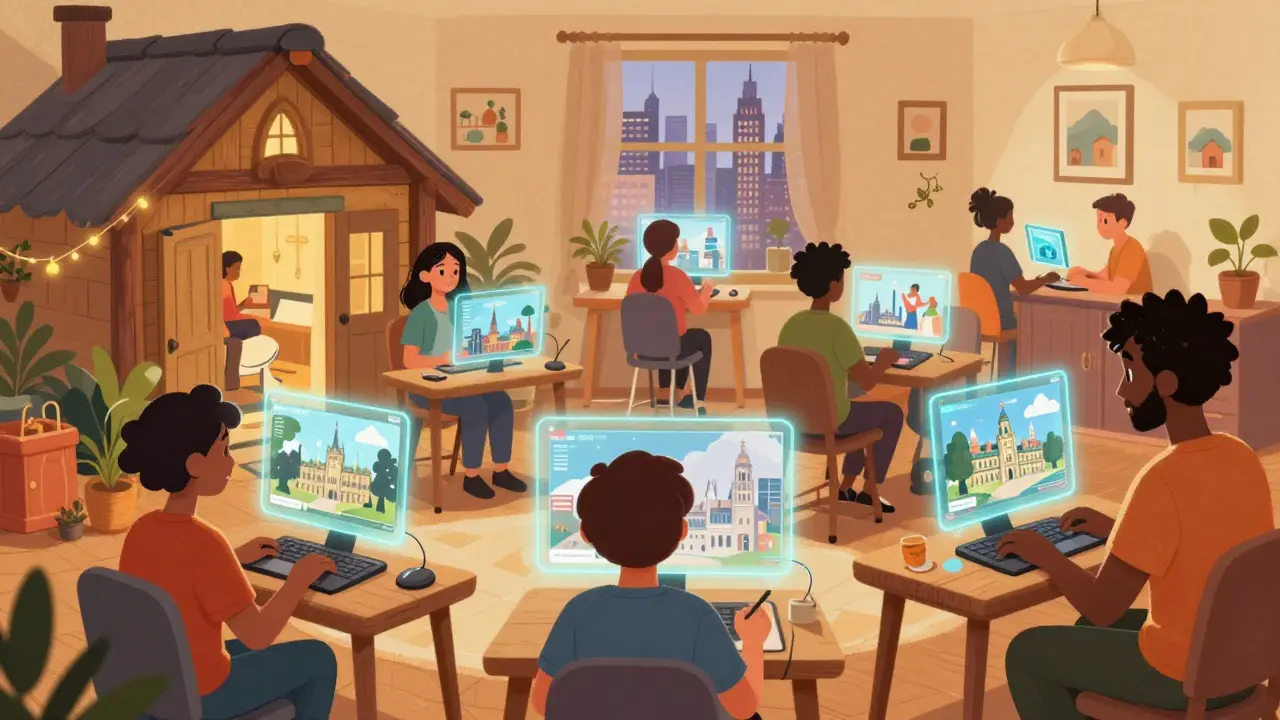
This change isn't happening by accident. It’s driven by technology that has finally caught up with pedagogy. Ten years ago, online courses were often glorified PDFs with multiple-choice quizzes. Today, they offer immersive experiences, real-time feedback, and community-driven support systems that rival-and sometimes beat-traditional classroom settings. The barrier to entry has dropped significantly, allowing anyone with an internet connection to learn coding from Silicon Valley experts, study history from Oxford professors, or master graphic design without ever leaving their living room.
Breaking Down the Cost Barrier
Let’s talk money, because cost was always the biggest wall keeping people out of quality education. Traditional universities charge tens of thousands of dollars per year, often leaving students with debt that takes decades to pay off. Online learning platforms have disrupted this model by offering micro-credentials, bootcamps, and full degrees at a fraction of the price.
You can find comprehensive courses on data science, project management, or even specialized medical training for a few hundred dollars. Some platforms operate on a subscription basis, giving you unlimited access to thousands of courses for a monthly fee similar to a streaming service. This "Netflix for learning" approach means you don’t have to bet your financial future on one expensive degree. Instead, you can test the waters, switch topics if something doesn’t click, and build a portfolio of skills that employers actually value.
Moreover, many organizations now sponsor these online certifications as part of their professional development budgets. This shifts the cost burden away from the individual learner, making continuous education accessible to employees regardless of their personal financial situation. It’s a win-win: companies get upskilled workers, and individuals get career advancement without the tuition shock.
Geography No Longer Dictates Destiny
If you live in a rural area, a small town, or a developing nation, your local educational options might be limited. You might not have access to advanced labs, specialized teachers, or diverse course offerings. Online learning erases these geographic boundaries. A student in a remote village in Kenya can attend the same virtual lecture as a student in New York City.
This global classroom creates a rich tapestry of perspectives. When you participate in discussion forums or group projects, you’re interacting with peers from different cultures, backgrounds, and industries. This exposure is invaluable in today’s globalized workforce. It teaches cultural intelligence and adaptability-skills that are just as important as technical knowledge.
For non-native English speakers, the ability to pause, rewind, and use translation tools makes learning complex subjects much more manageable. Subtitles and AI-powered translation services have improved drastically, allowing learners to engage with content in their native language while still accessing high-quality English-language instruction. This linguistic flexibility opens doors that were previously locked behind language barriers.
The Role of AI in Personalized Learning
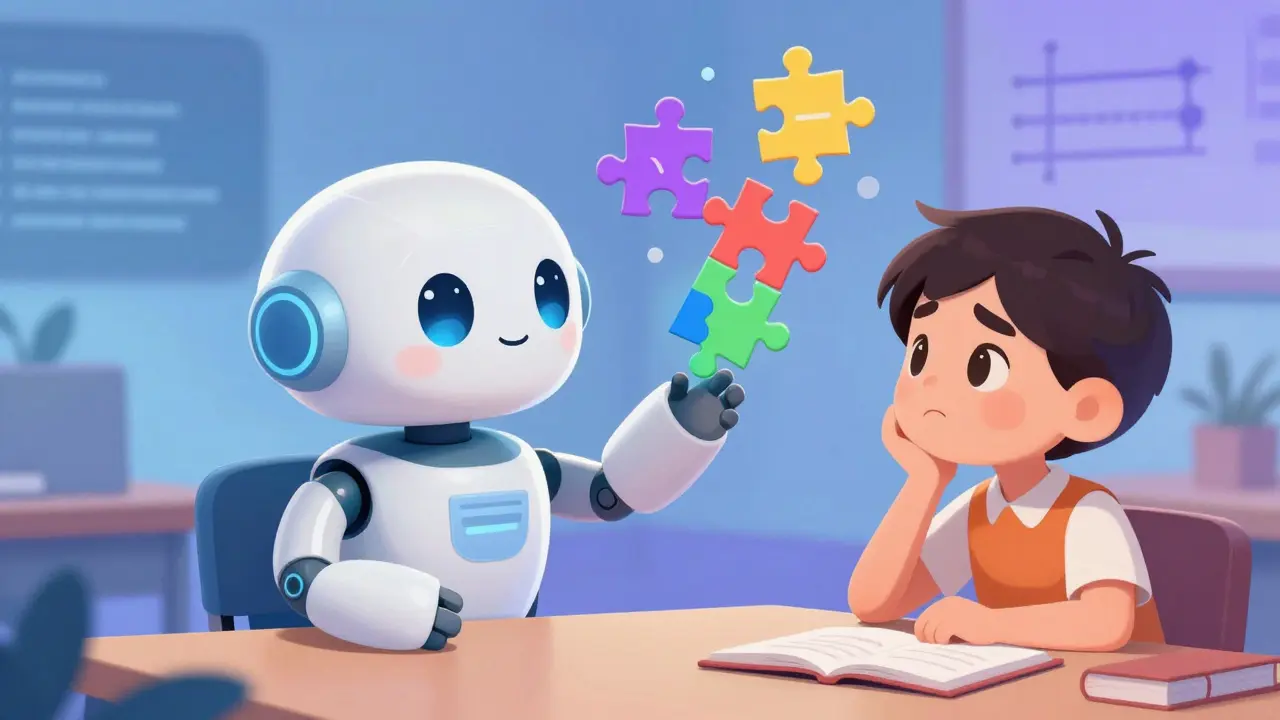
One of the biggest criticisms of early online education was its lack of personalization. If you got stuck on a concept, there was no teacher standing right next to you to explain it differently. Enter artificial intelligence. In 2026, AI tutors are becoming commonplace in online learning platforms.
These AI systems analyze how you interact with content. They notice when you hesitate on a question, when you re-watch a video segment, or when you struggle with specific types of problems. Based on this data, they adjust the curriculum in real-time. If you’re struggling with calculus, the AI might suggest additional practice problems or break down the concept into smaller, more digestible steps. If you’re breezing through material, it speeds up the pace or introduces more challenging scenarios.
This adaptive learning ensures that everyone moves at their own speed. It eliminates the shame of falling behind or the boredom of waiting for others to catch up. For neurodivergent learners, such as those with dyslexia or ADHD, these personalized pathways can be life-changing. They provide the structure and flexibility needed to succeed without the pressure of a rigid classroom schedule.
Credentialing and Trust in the Digital Age
A major hurdle for online education has been credibility. Employers used to be skeptical of online certificates, wondering if they held any weight compared to traditional degrees. That skepticism is fading fast. Major tech companies like Google, Microsoft, and Amazon now prioritize skills over degrees. They accept online certifications as valid proof of competence.
Blockchain technology is also playing a role here. Many online platforms now issue credentials on blockchain networks, making them tamper-proof and instantly verifiable. Employers can check the authenticity of a certificate in seconds, removing the guesswork from hiring decisions. This transparency builds trust in the system and encourages more organizations to embrace alternative forms of education.
Furthermore, the rise of digital portfolios allows learners to showcase their actual work. Instead of just listing a course completion, you can share code repositories, design projects, or writing samples. This evidence-based approach proves what you can do, not just what you studied. It’s a more honest and effective way to demonstrate your capabilities to potential employers.
Bridging the Digital Divide
While online learning offers immense potential, we must acknowledge the challenges. The digital divide remains a significant issue. Not everyone has reliable high-speed internet or a modern device. Without these basic tools, the promise of democratized education remains out of reach for many.
Governments, non-profits, and tech companies are working together to address this gap. Initiatives to provide free Wi-Fi in public spaces, distribute low-cost devices, and offer offline-first learning apps are expanding access. However, more needs to be done. True democratization requires ensuring that infrastructure is treated as a public utility, just like electricity or water.
Digital literacy is another critical factor. Knowing how to navigate online platforms, evaluate sources, and manage time effectively is essential for success in online learning. Programs that focus on building these foundational skills alongside academic content are crucial for helping new learners thrive.
The Future of Lifelong Learning
The traditional model of education-front-loading all your learning in your early twenties-is obsolete. In a rapidly changing job market, continuous learning is necessary for survival. Online learning makes lifelong learning practical and affordable. You can pivot careers, pick up new hobbies, or stay current with industry trends throughout your entire life.
We are moving towards a world where education is not a destination but a journey. It’s integrated into daily life, flexible, and responsive to individual needs. This shift empowers individuals to take control of their own development. You decide what to learn, when to learn it, and how to apply it. This autonomy fosters a deeper sense of engagement and motivation.
As we look ahead, the integration of virtual reality (VR) and augmented reality (AR) will further enhance online learning. Imagine practicing surgical procedures in a VR environment or exploring ancient ruins in AR before visiting them. These technologies will make abstract concepts tangible and experiential learning accessible to everyone.
| Feature | Traditional Education | Online Learning |
|---|---|---|
| Cost | High (tuition, housing, materials) | Low to Moderate (subscription or per-course) |
| Flexibility | Fixed schedule and location | Self-paced, anywhere with internet |
| Personalization | Limited by class size | High via AI and adaptive algorithms |
| Credentialing | Standardized degrees | Diverse micro-credentials and portfolios |
| Access | Geographically restricted | Global access |
Making the Most of Online Resources
To truly benefit from the democratization of education, you need to be proactive. Don’t just sign up for courses; create a learning plan. Identify your goals, whether it’s landing a new job, starting a business, or mastering a hobby. Then, select resources that align with those objectives.
Engage with the community. Join discussion groups, participate in peer reviews, and connect with instructors. Building a network is just as important as acquiring knowledge. These connections can lead to mentorship opportunities, collaborations, and job referrals.
Finally, apply what you learn immediately. Theory is useful, but practice solidifies understanding. Build projects, solve real-world problems, and seek feedback. This active approach transforms passive consumption into active mastery, ensuring that your investment in online learning yields tangible results.
Is online learning recognized by employers?
Yes, increasingly so. Many major companies, including tech giants like Google and IBM, now value skills and certifications over traditional degrees. Platforms like Coursera, edX, and LinkedIn Learning offer credentials that are widely recognized. Additionally, blockchain verification adds a layer of trust, allowing employers to instantly validate your achievements.
How does AI personalize online education?
AI analyzes your learning patterns, such as quiz scores, video watch times, and interaction frequency. It then adjusts the difficulty level, suggests relevant resources, and provides targeted feedback. For example, if you struggle with a specific math concept, the AI might offer simpler explanations or additional practice problems tailored to your needs.
What are the main barriers to online learning?
The primary barriers include the digital divide (lack of reliable internet or devices), self-discipline required for self-paced learning, and the need for strong digital literacy skills. Additionally, some learners may feel isolated without the social interaction of a physical classroom, although online communities help mitigate this.
Can I earn a full degree online?
Absolutely. Many accredited universities offer fully online bachelor’s, master’s, and doctoral programs. These degrees carry the same weight as their on-campus counterparts. Look for institutions accredited by recognized bodies to ensure the quality and legitimacy of the program.
How do I choose the right online course?
Start by defining your learning goals. Check the instructor’s credentials and read reviews from past students. Look for courses that offer hands-on projects or assessments. Also, consider the platform’s reputation and whether the credential is recognized in your industry. Free audits or trial periods can help you test the content before committing financially.