How to Build Thriving Alumni Communities for Lifelong Learners
 May, 9 2026
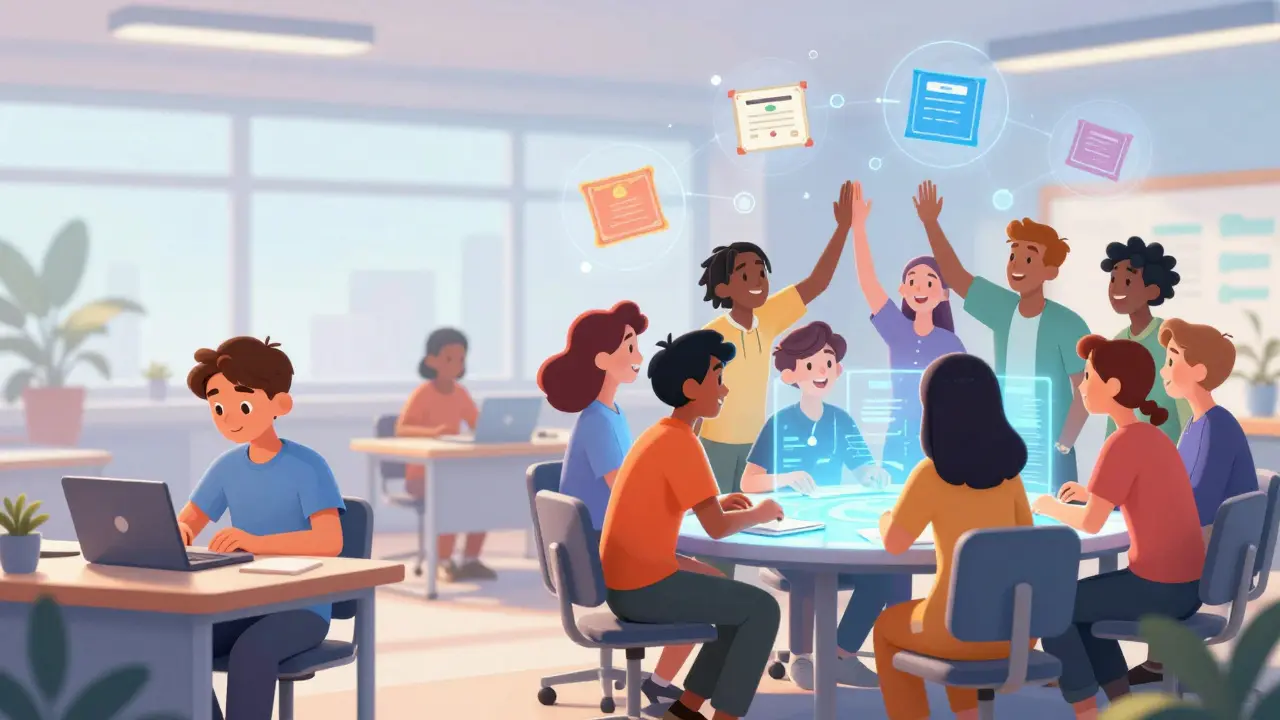
Most online courses end when the final quiz is submitted. The certificate downloads, the browser tab closes, and the learner disappears into the digital void. This silence is a missed opportunity. In 2026, the value of education isn't just in the initial instruction; it's in the ongoing engagement that happens after the credits are earned. Building a vibrant alumni community transforms a one-time transaction into a lasting relationship.
When learners stay connected, they reinforce their skills, find job opportunities, and become brand advocates. For educators and platforms, this means higher lifetime value, better social proof, and a self-sustaining ecosystem of knowledge sharing. But keeping people engaged long-term is hard. It requires moving beyond automated emails to creating genuine human connection.
The Shift from Transactional to Relational Learning
Traditional e-learning treats education as a product you buy and consume. You watch the videos, pass the test, and leave. An alumni community is a dedicated space where past students continue to interact, share resources, and support each other long after completing their coursework. This shifts the model from transactional to relational.
Think about your own experience. How often do you return to a course platform just to check updates? Probably not often. But how often do you join a professional group on LinkedIn or a Discord server for a hobby? Likely much more frequently. The difference is purpose. Course platforms focus on completion; communities focus on belonging.
In 2026, with the rise of micro-credentials and stackable certificates, learners are collecting badges faster than ever. However, without a place to apply these skills, they gather digital dust. An active alumni network provides the context for application. It turns isolated credentials into a coherent professional narrative.
- Transactional Model: Focuses on content delivery, assessment, and certification. Engagement drops sharply post-completion.
- Relational Model: Focuses on peer interaction, mentorship, and continuous resource sharing. Engagement stabilizes or grows over time.
Why Alumni Communities Fail (And How to Avoid It)
You might have seen empty forums or dead Slack channels. These are zombie communities-places that exist technically but lack life. They fail because they rely on passive broadcasting rather than active participation. Sending a weekly newsletter isn't enough. People don't want more noise; they want signal.
The biggest mistake creators make is expecting users to generate all the value immediately. New members feel awkward. They don't know who to talk to. If the first few weeks are silent, the momentum dies. You need to seed the conversation. As an educator, you must be the chief energy officer initially. Ask specific questions. Share behind-the-scenes stories. Highlight member wins.
Another pitfall is mixing audiences too broadly. A general "all alumni" channel can get noisy and irrelevant. A software developer doesn't care about the marketing student's internship tip. Segmentation is key. Create sub-groups based on career goals, industries, or even geographic locations. This ensures that every notification feels personally relevant.
| Pitfall | Result | Solution |
|---|---|---|
| Broad, unsegmented channels | Noise and irrelevance | Create niche sub-groups by interest or role |
| Passive broadcasting only | Low engagement rates | Ask open-ended questions and host live Q&As |
| Lack of clear guidelines | Toxic behavior or spam | Establish a code of conduct and moderate actively |
| No recognition system | Top contributors burn out | Implement badges, shout-outs, or exclusive perks |
Choosing the Right Platform for Connection
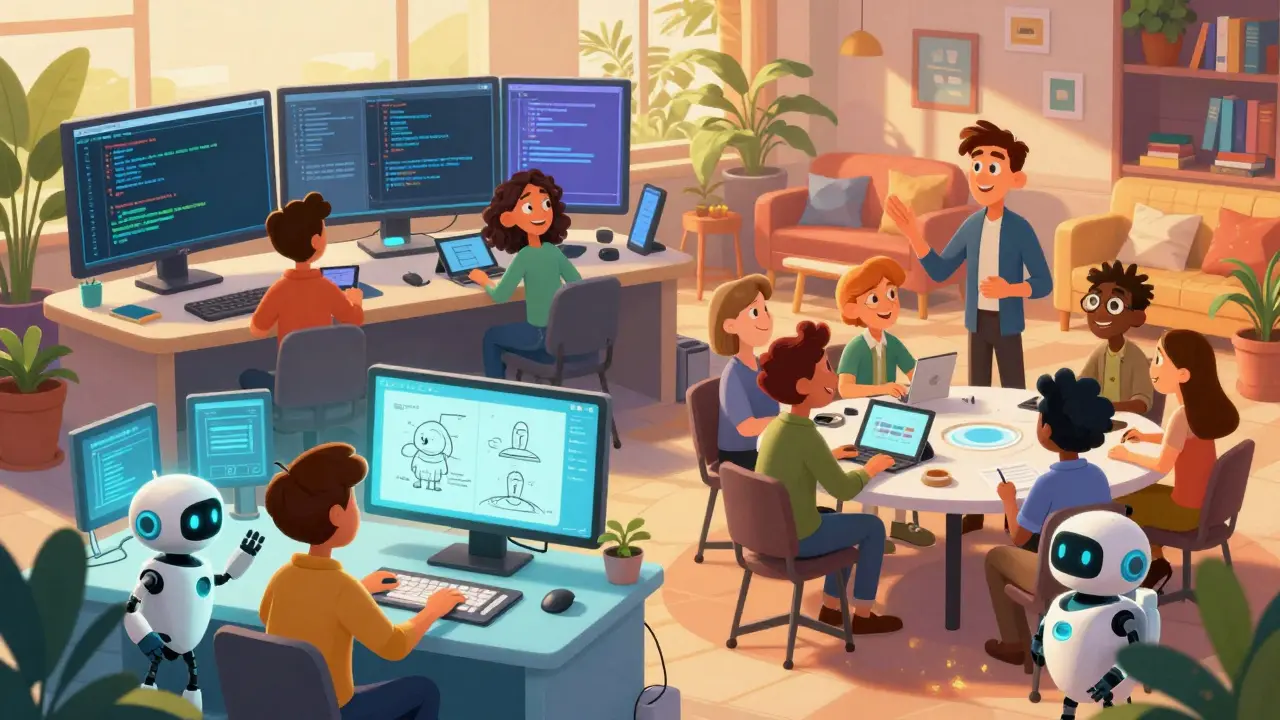
Where you host your community matters. There is no single best tool, but there are right tools for specific behaviors. In 2026, the landscape has consolidated around a few dominant players, each with distinct strengths.
Discord is a real-time communication platform originally built for gamers, now widely used for educational communities due to its voice channels and persistent text threads. It works well for younger demographics and technical subjects where quick, informal chat is valuable. The barrier to entry is low, and the interface is familiar to most digital natives. However, it lacks robust search functionality for older posts, making it poor for knowledge retrieval.
Slack is an enterprise-focused collaboration tool that offers organized channels, integrations with work tools, and a professional tone. It’s ideal for B2B courses or professional development programs. Users expect to keep their work and learning separate, so Slack fits the professional mindset. The downside is cost; per-seat pricing can scale quickly as your alumni base grows.
Circle.so is a dedicated community platform designed specifically for creators to build branded membership experiences. Unlike chat apps, Circle looks like a website. It supports structured discussions, event calendars, and member directories. It’s excellent for asynchronous engagement and building a searchable knowledge base. It feels less ephemeral than chat, encouraging deeper, more thoughtful contributions.
If you’re already using a Learning Management System (LMS) like Teachable or Kajabi, check if they have built-in community features. Keeping everything in one place reduces friction. If your LMS lacks strong community tools, consider integrating a third-party solution via API rather than forcing users to switch contexts entirely.
Strategies for Sustained Engagement
Building the platform is easy; filling it with life is hard. You need a mix of scheduled events and organic interaction. Here are proven strategies to keep the pulse alive.
1. Peer-to-Peer Mentorship Programs
Connect experienced alumni with newer graduates. Create a formalized mentorship program where senior members volunteer to guide juniors. This gives veterans a sense of status and purpose while providing newcomers with personalized support. It also creates accountability; people show up because they’ve promised to help someone else.
2. Monthly Skill-Sharing Sessions
Host "Office Hours" or "Show and Tell" sessions. Invite alumni to present a project they built using the course skills. Maybe a graphic designer shares their new portfolio site. Or a data scientist explains a recent analysis. Real-world application inspires others and validates the course material. Record these sessions and add them to a resource library.
3. Collaborative Challenges
Launch quarterly challenges that require teamwork. For example, a coding bootcamp could host a hackathon. A writing course could run a collaborative novel project. Shared goals create bonds faster than casual chat. Provide small prizes or recognition for winners to gamify the experience.
4. Job Boards and Referral Networks
One of the highest-value activities in an alumni community is employment assistance. Create a dedicated channel for job postings, freelance gigs, and referrals. Encourage members to tag each other for opportunities. When alumni help each other get hired, they reinforce the value of the original course. Track these successes and share them publicly.
Measuring Success Beyond Vanity Metrics
Don’t just look at member count. That’s a vanity metric. A thousand silent members are worth less than fifty active ones. Focus on engagement quality and retention.
- Daily Active Users (DAU): What percentage of members log in daily? Aim for at least 5-10% in healthy communities.
- Response Rate: How quickly do questions get answered? A median response time under 24 hours indicates a supportive culture.
- Content Creation: How many posts come from members versus admins? A healthy ratio is 70% user-generated content.
- Retention Rate: Do members stay active for 6 months, 12 months, longer? Churn analysis helps identify drop-off points.
Use surveys to gauge sentiment. Ask members directly: "What value did you get from the community this month?" Qualitative feedback reveals nuances that numbers miss. If members say they feel lonely or confused, adjust your onboarding process.
The Role of AI in Modern Communities
In 2026, artificial intelligence is changing how communities operate. AI bots can handle basic onboarding, answer FAQ questions, and summarize long discussion threads. This frees up human moderators to focus on high-value interactions.
AI-driven recommendation engines can suggest relevant topics or potential mentors based on a member’s profile and activity. Imagine logging in and seeing, "Based on your interest in Python, here are three alumni projects you might find useful." This personalization increases relevance and reduces information overload.
However, use AI carefully. Over-automation can make a community feel sterile. Always keep a human touch. Let AI handle logistics, but let humans handle empathy, celebration, and conflict resolution.
How do I start an alumni community with zero budget?
Start simple. Use free tiers of platforms like Discord or Facebook Groups. Focus on consistency rather than features. Post once a week, ask questions, and manually highlight member achievements. Grow organically before investing in paid tools.
Is it better to have a public or private community?
Private communities generally foster deeper trust and more honest sharing. Public communities are better for branding and attracting new leads. For alumni networks, private is usually preferred as members expect exclusivity and safety to discuss career struggles.
How often should I post in the community?
Aim for 3-5 times a week from admin accounts. Consistency builds habit. Mix different content types: questions, polls, articles, and live event announcements. Quality matters more than quantity; avoid posting filler content just to hit a number.
Can I monetize my alumni community?
Yes, but carefully. Offer premium tiers with exclusive workshops, 1-on-1 coaching, or advanced resources. Avoid charging for basic access if it was included in the original course price, as this can alienate existing members. Monetize through added value, not gatekeeping.
What if my community becomes toxic?
Address issues immediately. Have clear rules against harassment and spam. Remove offenders swiftly. Apologize publicly if necessary. Toxicity spreads fast; silence encourages it. Consider appointing trusted community managers to help moderate conversations.
Jessica McGirt
May 10, 2026 AT 15:10I really appreciate the emphasis on segmentation here. It is often overlooked how crucial it is to keep channels specific so that members actually find value in their notifications.
Jeff Napier
May 11, 2026 AT 16:59communities are just data harvesting farms disguised as social spaces they want your engagement metrics to sell ads or train ai models don't fall for the relational trap
Tina van Schelt
May 13, 2026 AT 07:48The idea of seeding conversation is spot on. New members often feel like ghosts in a haunted house if no one acknowledges their presence. You have to be the spark plug before the engine can run itself.
Donald Sullivan
May 14, 2026 AT 11:52This is all fluff. Most people just want the certificate and get out. Building a community is a waste of time unless you are selling something else. Stop trying to force friendships where none exist.
Ronak Khandelwal
May 15, 2026 AT 14:28I love this perspective! 🌟 When we shift from transactional to relational, we create a web of support that lifts everyone up. The mentorship programs mentioned are especially powerful because they give veterans a sense of purpose while guiding newcomers. It creates a beautiful cycle of giving and receiving! ✨
Sibusiso Ernest Masilela
May 15, 2026 AT 14:57Only amateurs rely on Discord for professional networking. It is a childish platform designed for gamers, not serious professionals. If you cannot afford Slack or Circle.so, you do not deserve an alumni network. Quality requires investment, not free tiers.
Daniel Kennedy
May 16, 2026 AT 11:09You need to look at the retention metrics closely. DAU is important but response rate is the real indicator of health. If people ask questions and get ignored within 24 hours, the community dies. I have seen too many platforms fail because they focused on content delivery instead of human interaction.
Taylor Hayes
May 17, 2026 AT 07:12I think the key is consistency without being overwhelming. Three to five posts a week seems like a sweet spot. It keeps the community alive without making people feel like they are missing out every time they step away. Balance is everything here.
Sanjay Mittal
May 17, 2026 AT 11:04In my experience with LMS integrations, keeping everything in one place reduces friction significantly. Users hate context switching. If your platform has built-in community features, use them first before adding third-party tools.
Mike Zhong
May 17, 2026 AT 21:55The philosophical underpinning of community is flawed. Humans are inherently solitary creatures who pretend to connect for validation. These digital spaces are just echo chambers that reinforce biases rather than foster genuine growth. We should focus on individual mastery, not groupthink.
Jamie Roman
May 18, 2026 AT 04:33I have been running a small cohort-based course for years and I found that the monthly skill-sharing sessions were the absolute game changer for us because it allowed people to see the practical application of what they learned which made the abstract concepts feel much more tangible and relevant to their daily work lives so they kept coming back to share their own wins and failures which created this incredible feedback loop of continuous improvement and mutual support that was far more valuable than any static resource library could ever be.
Salomi Cummingham
May 18, 2026 AT 15:14It is truly heartbreaking to see how many communities die due to lack of moderation. Toxicity spreads like wildfire and if you do not address it immediately the entire culture collapses into chaos. We must be vigilant guardians of our digital spaces to ensure they remain safe havens for learning and growth otherwise the whole endeavor becomes a tragic waste of potential connection.
Johnathan Rhyne
May 20, 2026 AT 07:00The grammar in this post is impeccable, which is refreshing. However, the suggestion to use AI for summarization is fraught with peril. AI lacks nuance and often misses the emotional context of discussions. Human moderators are essential for maintaining the soul of the community.
Jawaharlal Thota
May 22, 2026 AT 05:41I believe that the collaborative challenges mentioned here are incredibly effective because they force participants to work together towards a common goal which breaks down silos and encourages cross-pollination of ideas among different disciplines thereby creating a richer and more diverse learning environment that benefits everyone involved in the long run.
Lauren Saunders
May 22, 2026 AT 06:24Private communities are vastly superior to public ones for any serious educational purpose. Public forums are cluttered with noise and low-effort contributions. Exclusivity drives quality and ensures that members take the interactions seriously. Do not dilute your brand with open access.
Sandy Pan
May 22, 2026 AT 19:50The silence after a course ends is deafening. It represents a lost opportunity for deeper understanding. By fostering these alumni networks, we transform isolated credentials into living narratives. The journey does not end with the certificate; it begins there.