How to Combine Learning Methods for Maximum Training Effectiveness
 May, 16 2026
Why One Size Never Fits All in Training
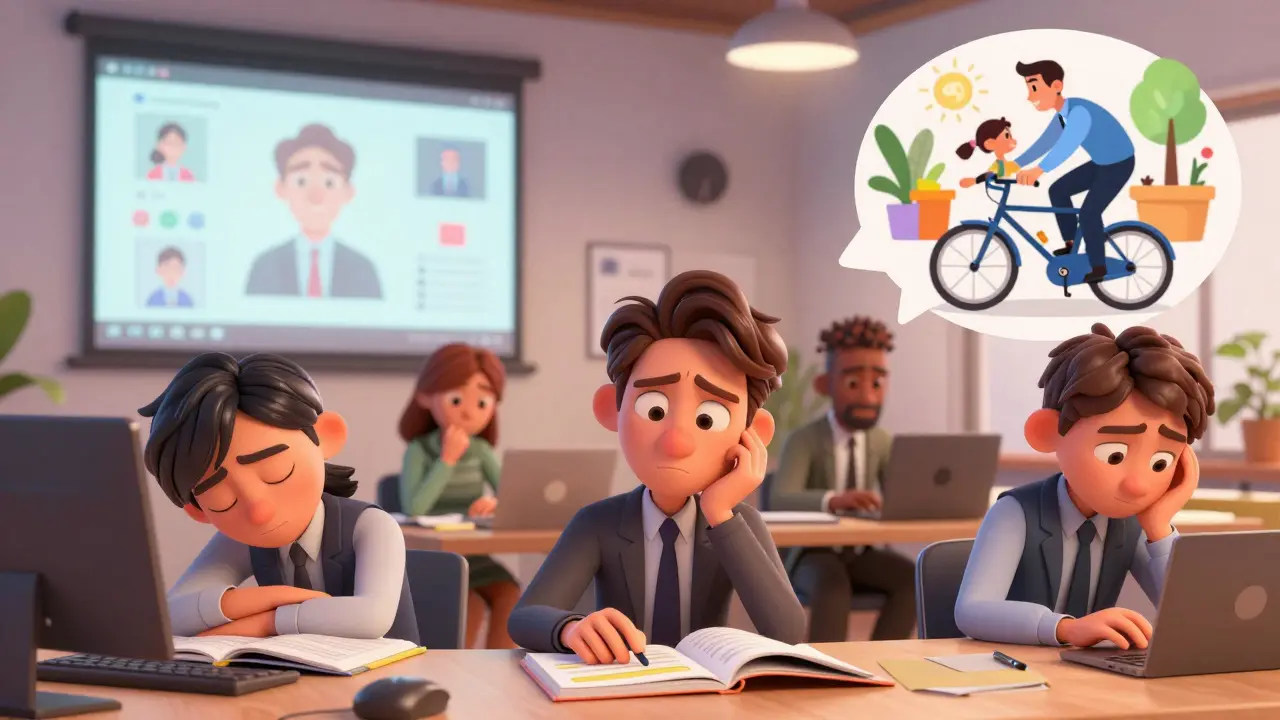
We’ve all been there. You sit through a two-hour webinar, nodding along while your mind drifts to the grocery list. Or maybe you read a dense manual, highlight every other sentence, and forget half of it by lunchtime. The problem isn’t that you’re not trying hard enough. It’s that human brains don’t process information in just one way. Training effectiveness drops when we force learners into a single channel of delivery. If you want people to actually retain and apply what they learn, you have to stop relying on lectures alone. You need to mix it up.
Think about how you learned to ride a bike. Did someone hand you a textbook on physics and balance? No. They watched you fall (experiential), gave you tips while you wobbled (coaching), and maybe showed you a video of a pro rider (visual). That combination stuck because it engaged different parts of your brain at once. In the corporate or educational world, this approach is called blended learning. But it goes deeper than just mixing online videos with classroom time. It’s about aligning the method with the message.
| Method | Best For | Weakness |
|---|---|---|
| Lectures / Seminars | Introducing new concepts, large groups | Low retention, passive engagement |
| E-Learning Modules | Self-paced factual knowledge, compliance | No social interaction, easy to skim |
| Workshops / Labs | Skill application, hands-on practice | Expensive, requires facilitator |
| Mentorship / Coaching | Behavioral change, soft skills | Time-intensive, inconsistent quality |
The Science Behind Mixing It Up
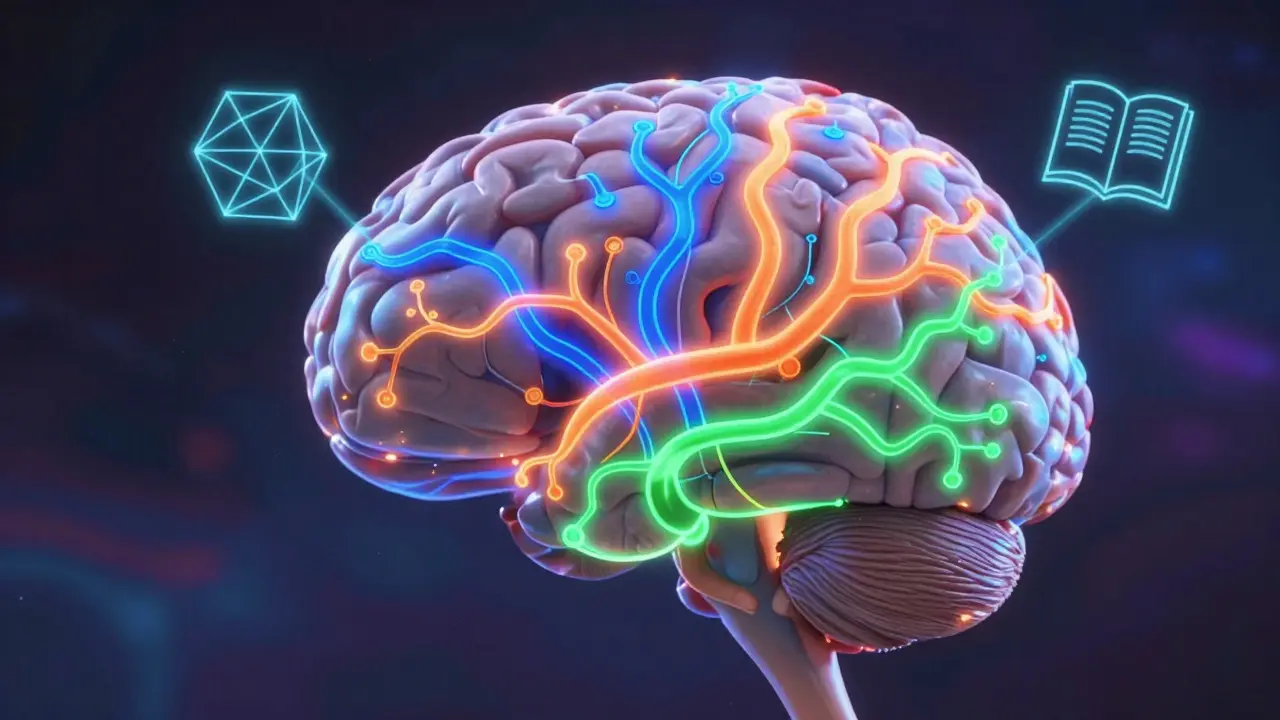
There’s a reason why cramming doesn’t work long-term. Cognitive science tells us that memory is built through repetition and variety. When you present the same information through different lenses-say, a diagram, a story, and a practical exercise-you create multiple neural pathways to that concept. This is known as multimodal learning. It’s not just about keeping things interesting; it’s about encoding data more deeply.
Consider the concept of "spacing." If you dump all the training content into one day, the brain treats it as noise. But if you spread it out over weeks, using different methods each time, the brain flags it as important. This is why microlearning bursts combined with monthly refresher workshops often outperform week-long boot camps. You’re fighting the forgetting curve by constantly re-engaging with the material in fresh ways.
Let’s look at a real-world example. A sales team needs to learn a new CRM software. If you just send them a link to a 30-minute tutorial, they’ll click through without absorbing much. But if you combine that video with a live Q&A session where they ask specific questions, followed by a sandbox environment where they practice entering deals, the retention rate skyrockets. The video provides the overview, the Q&A clarifies confusion, and the practice builds muscle memory.
Building a Blended Learning Strategy
So, how do you actually pull this off without burning budget or time? Start by mapping your learning objectives. Not all topics require the same depth. Some things are just facts to know; others are skills to master.
- Factual Knowledge: Use e-learning modules or quick-reference guides. These are efficient for delivering standardized information like policy updates or product specs.
- Procedural Skills: Use simulations, labs, or job aids. People need to see how something works before they can do it themselves. Think of this as the "how-to" layer.
- Behavioral Change: Use coaching, role-playing, or peer feedback. Changing habits requires social accountability and reflection. You can’t download empathy via a PDF.
Once you’ve categorized your content, layer the methods. Don’t just stack them randomly. Create a flow. For instance, start with a short, engaging video to spark curiosity (pre-work). Follow it with a facilitated workshop to dive deep and solve problems together (live interaction). Finish with a series of micro-lessons that reinforce key takeaways over the next month (reinforcement).
This structure respects the learner’s time while maximizing impact. It acknowledges that attention spans are short but that commitment grows when people feel supported. You’re not just dumping information; you’re guiding a journey.
The Role of Technology in Modern Blending
Technology has made combining methods easier than ever, but it also introduces distractions. The goal isn’t to use every shiny new tool. It’s to use the right tool for the right moment. Learning Management Systems (LMS) are the backbone here. They allow you to track who completed which module, but they shouldn’t be the only interface.
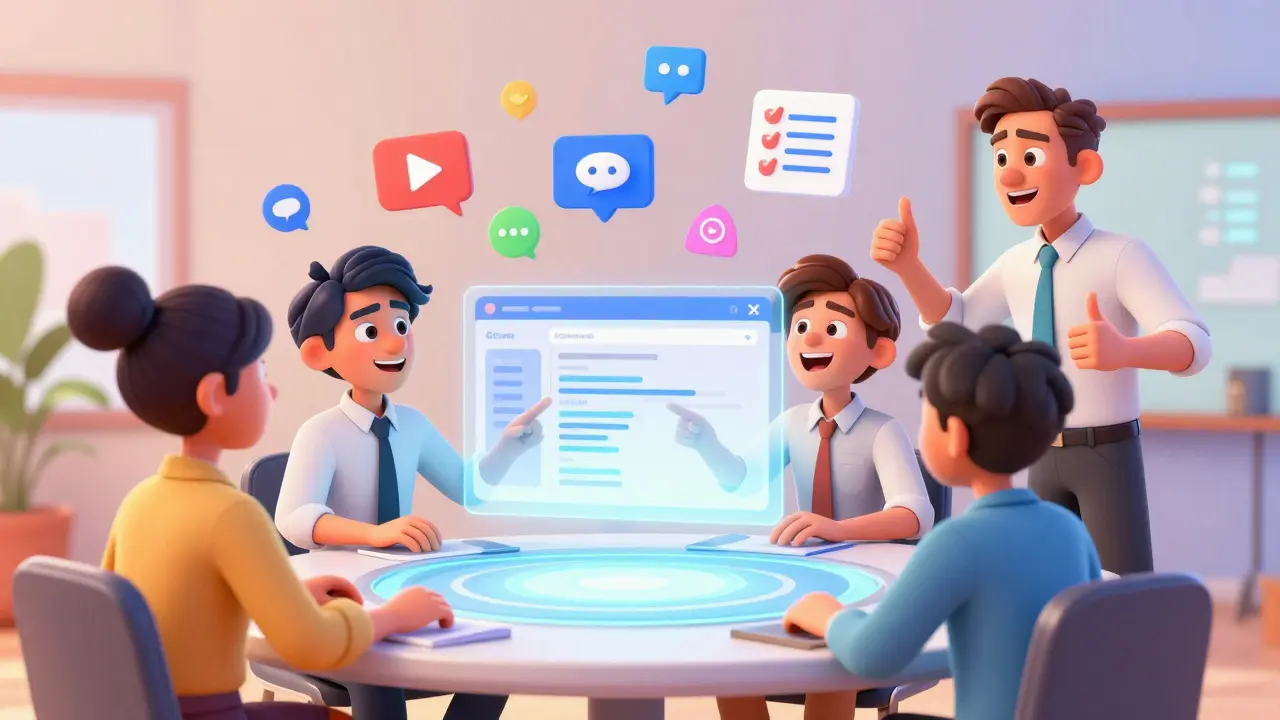
Integrate your LMS with collaboration tools. If you run a workshop, post the recording and slides back in the system so people can revisit them. Use chat platforms like Slack or Microsoft Teams for informal peer learning. Let employees share tips and wins related to the training topic. This turns isolated events into a continuous culture of learning.
Also, consider adaptive learning paths. Advanced platforms can adjust content based on performance. If someone quizzes poorly on a section, the system automatically assigns a remedial video or article. This personalization ensures no one gets left behind, making the blended approach truly inclusive.
Avoiding Common Pitfalls
Even with good intentions, blended programs can fail. Here are the traps to watch out for:
- Overloading Learners: More isn’t always better. If you assign five videos, two readings, and a quiz per week, people will tune out. Quality beats quantity. Focus on high-impact activities.
- Inconsistent Messaging: Ensure all materials align. If the video says one thing and the workshop instructor says another, trust erodes. Coordinate closely between content creators and facilitators.
- Igoring Feedback Loops: Don’t assume your blend is perfect from day one. Ask learners what worked and what didn’t. Did they find the self-study portion too dry? Was the group activity confusing? Iterate based on data.
Another mistake is treating technology as a replacement for human connection. Digital tools are great for scale, but humans crave interaction. Always include opportunities for discussion, debate, or collaboration. Even a simple poll during a webinar can break the monotony and make people feel heard.
Measuring What Actually Matters
How do you know if your blended approach is working? Completion rates are a vanity metric. Just because someone clicked “finish” doesn’t mean they learned anything. Look deeper.
Use Kirkpatrick’s Four Levels of Evaluation as a guide:
- Reaction: Did they enjoy it? Survey immediately after sessions.
- Learning: Did they acquire knowledge? Test with quizzes or skill demonstrations.
- Behavior: Are they applying it on the job? Observe workflows or conduct manager check-ins after 30 days.
- Results: Did it impact business goals? Track metrics like sales conversion, error rates, or customer satisfaction scores.
If you see behavior change but no results, the training might be missing context. Maybe the workplace environment doesn’t support the new skills. Blended learning should include leadership alignment to ensure managers reinforce the training daily.
What is the most effective combination of learning methods?
There is no single "best" combination, but research consistently supports a mix of brief self-study (for foundational knowledge), interactive practice (for skill building), and social reinforcement (for behavioral adoption). A common effective model is the 70-20-10 rule: 70% experiential learning, 20% social learning, and 10% formal instruction.
How do I keep learners engaged in a blended program?
Engagement comes from relevance and variety. Keep digital content short and visually appealing. Use gamification elements like badges or leaderboards sparingly to motivate. Most importantly, connect every lesson to real-world problems they face daily. If they see immediate value, they stay engaged.
Is blended learning more expensive than traditional training?
Upfront costs can be higher due to content creation and technology setup. However, blended learning is often cheaper in the long run. It reduces travel and venue costs associated with in-person seminars. Plus, higher retention rates mean less need for repeat training, saving money overall.
Can I use blended learning for remote teams?
Absolutely. Remote teams thrive with blended approaches. Use asynchronous e-learning for core content to respect time zones, and schedule synchronous virtual workshops for collaboration. Supplement with peer mentoring programs to build community and reduce isolation.
How often should I update my blended learning content?
Review content annually at minimum. In fast-changing fields like tech or healthcare, quarterly updates may be necessary. Monitor usage analytics to identify outdated or underutilized modules. Fresh content keeps learners coming back and ensures accuracy.