How to Teach the Lean Startup Methodology in Your Entrepreneurship Course
 Jul, 29 2026
Most business students walk into an entrepreneurship class ready to write a forty-page business plan. They spend weeks perfecting their financial projections and market analysis, only to launch a product nobody wants. It’s a costly mistake, both for them and for the economy. As an educator, your job isn’t just to teach theory; it’s to rewire how students think about risk, value, and speed. The Lean Startup methodology offers exactly that shift. By focusing on validated learning rather than elaborate planning, you can help students build real resilience and practical skills.
Teaching this approach requires more than just assigning readings from Eric Ries or Steve Blank. You have to design assignments that force students out of the classroom and into the wild. This guide breaks down how to structure your course, what tools to use, and how to grade based on learning loops instead of polished decks.
Redefining Success: From Plans to Learning Loops
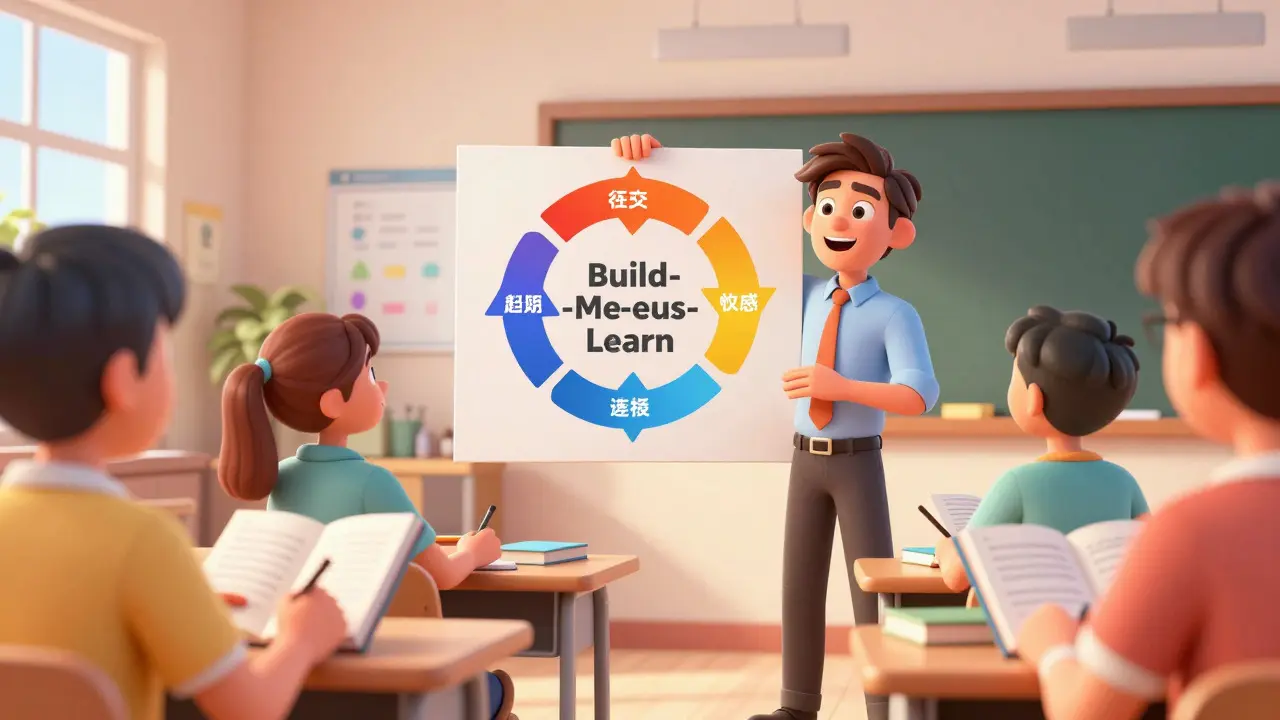
The biggest hurdle in teaching Lean Startup is changing the definition of success. Traditional courses reward thoroughness. A detailed plan looks impressive. But in the Lean world, a detailed plan based on unverified assumptions is just expensive fiction. You need to introduce the concept of the Build-Measure-Learn feedback loop, which is the core engine of the Lean Startup methodology where teams create minimum viable products, measure customer response, and learn whether to pivot or persevere.
Start your course by explaining that the goal is not to build a product immediately. The goal is to learn as quickly as possible whether a problem is worth solving. Use the analogy of a scientist running experiments. Students are researchers testing hypotheses. If the data says "no," that’s not a failure; it’s a successful experiment that saved them months of wasted effort. This mindset shift reduces the fear of criticism and encourages honest iteration.
- Hypothesis-driven thinking: Every idea must start with a falsifiable statement (e.g., "College students will pay $5 for weekly meal prep if it saves them two hours of cooking time").
- Validated learning: Progress is measured by insights gained, not features built.
- Innovation accounting: Tracking metrics that matter, like activation rates, not vanity metrics like page views.
Designing Assignments Around Minimum Viable Products
If you want students to understand the Lean Startup, they have to build something. But here’s the catch: most students try to build too much, too soon. They code apps when a landing page would suffice. They print t-shirts when a sketch would do. Your role is to constrain them. Introduce the concept of the Minimum Viable Product (MVP), defined as the version of a new product which allows a team to collect the maximum amount of validated learning about customers with the least effort.
Create assignments that escalate in complexity but remain low-cost. Here is a simple progression you can use over a semester:
- The Concierge MVP: Students manually deliver the service. If they want to build a laundry app, they personally pick up and drop off clothes for five friends. No code required. Just sweat equity and direct interaction.
- The Wizard of Oz MVP: The front end looks automated, but humans pull the strings behind the scenes. A fake AI tutor that is actually a student answering emails overnight.
- The Landing Page Test: Students create a simple website describing their solution and run cheap ads to see if people click "Sign Up." This tests interest before any product exists.
Grade these assignments not on the quality of the final product, but on the quality of the data collected. Did they talk to ten potential customers? Did they ask open-ended questions? Did they listen without pitching?
The Customer Development Process: Getting Out of the Building
You cannot teach empathy in a lecture hall. The second pillar of Lean Startup education is Customer Development, popularized by Steve Blank. This process forces students to validate their problem hypothesis before they ever touch a solution. Many students fall in love with their solution before knowing if the problem exists. Your curriculum must break this habit.
Assign a "Problem Interview" phase. Give students a script template that focuses on past behaviors, not future intentions. Asking "Would you buy this?" yields useless answers because people are polite liars. Asking "Tell me about the last time you experienced this problem" reveals truth. Require students to submit audio recordings or transcripts of these interviews. Listen to them yourself. You’ll quickly hear who is listening and who is talking.
| Technique | Focus | Student Action | Outcome |
|---|---|---|---|
| Solution Pitch | Future intent | Asking "Would you buy this?" | Biased, unreliable data |
| Problem Discovery | Past behavior | Asking "Tell me about the last time..." | Validated pain points |
| Observation | Context | Watching users struggle with current solutions | Unarticulated needs |
Encourage students to seek disconfirming evidence. Tell them explicitly: "If you find no one cares about your problem, you win." This counter-intuitive grading criterion rewards intellectual honesty and efficient resource allocation.

Teaching the Pivot: When to Change Direction
A pivot is a structured course correction designed to test a new fundamental hypothesis about the product, strategy, and engine of growth. In traditional business schools, changing direction mid-project is seen as a lack of focus. In Lean Startup, it’s a sign of agility. Students often resist pivoting because they feel they’ve wasted time. Help them reframe the pivot as a strategic upgrade.
Introduce common pivot types early in the course so students recognize them when needed:
- Zoom-in Pivot: What was thought to be the entire product is actually just one feature for the new product.
- Customer Segment Pivot: The product solves a real problem, but for a different group of people than originally targeted.
- Platform Pivot: Changing from an application to a platform, or vice versa.
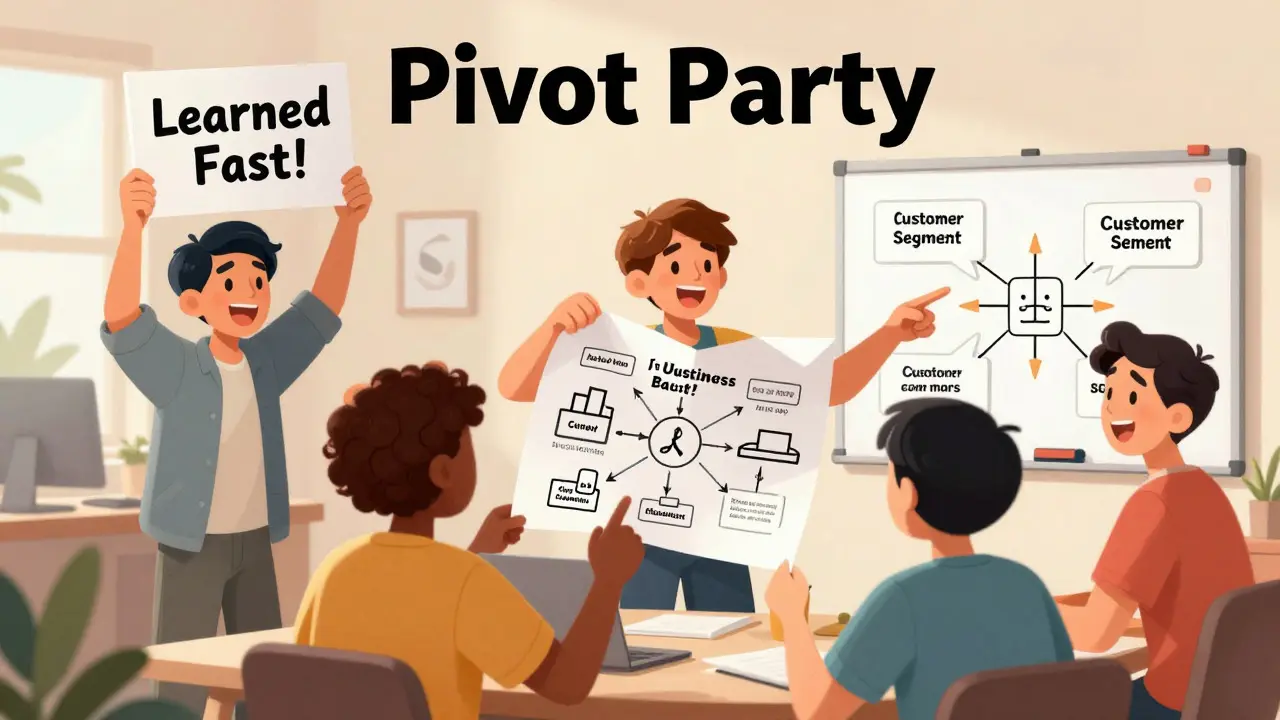
Create a "Pivot Party" assignment midway through the term. Have teams present their initial data. If the data shows weak traction, require them to propose a pivot. Grade the logic of the pivot, not the emotional attachment to the original idea. This teaches resilience and adaptability, two traits highly valued by employers and investors alike.
Grading Validated Learning: Metrics That Matter
How do you grade a process that might result in zero revenue? You grade the rigor of the experimentation. Create a rubric that emphasizes innovation accounting. Instead of asking for a profit and loss statement, ask for a cohort analysis or a funnel conversion rate.
For example, if a student builds a referral tool, don’t grade them on total downloads. Grade them on the percentage of users who referred at least one friend. That metric indicates product-market fit potential. Provide templates for tracking these metrics. Tools like Google Analytics, Mixpanel, or even simple spreadsheets work fine. The key is consistency and transparency.
Include peer review in your grading. Have students critique each other’s MVPs and interview scripts. This builds a community of practice and exposes them to diverse perspectives. It also mimics the startup ecosystem, where founders constantly bounce ideas off peers and mentors.
Tools and Resources for the Classroom
You don’t need expensive software to teach Lean Startup. In fact, simplicity is part of the lesson. Recommend free or low-cost tools that lower the barrier to entry:
- Carrd or Wix: For building landing pages in under an hour.
- Typeform or Google Forms: For creating surveys and collecting structured feedback.
- Figma: For prototyping interfaces without coding.
- Otter.ai: For transcribing customer interviews automatically.
Supplement these tools with case studies. Use real-world examples like Dropbox, which started with a video MVP, or Zappos, which began by buying shoes from local stores. These stories make the abstract concepts concrete and memorable.
Common Pitfalls and How to Avoid Them
Even with the best intentions, teaching Lean Startup can go off track. Watch out for these common issues:
- The "Mom Test" Failure: Students only interview friends and family who lie to protect their feelings. Enforce a rule: no interviews with people who know the student personally.
- Feature Creep: Students add bells and whistles to their MVPs. Remind them repeatedly: "Does this feature help us test our core hypothesis? If not, cut it."
- Data Hoarding: Students collect endless survey responses but never analyze them. Require a "So What?" section in every report where they interpret the data and state their next action.
Address these pitfalls proactively. Share anonymized examples from previous classes where students fell into these traps. Humor helps. Laughing at past mistakes makes the lessons stickier.
How long should a Lean Startup module last in a semester?
A minimum of six to eight weeks is ideal. This allows time for problem discovery, MVP creation, testing, and at least one iteration cycle. Shorter modules often rush the validation phase, leading to superficial learning.
Can I teach Lean Startup online effectively?
Yes, but you must emphasize asynchronous collaboration. Use shared documents for interview notes and video calls for pitch reviews. The key challenge is ensuring students actually conduct field research, not just simulate it. Require proof of external engagement, such as recorded interviews or live demo links.
What if students fail to find any market need?
Celebrate it! A clear "no" is valuable data. Grade them on the clarity of their conclusion and the efficiency of their testing. Encourage them to document why the idea failed, which is often more educational than a lucky success.
Do students need technical skills to participate?
No. In fact, non-technical students often excel at customer development and concierge MVPs. Pair technical and non-technical students if possible, but ensure everyone understands the core principles of validation regardless of their background.
How do I handle ethical concerns in customer interviews?
Teach transparency. Students should disclose that they are conducting research for a course. While they shouldn’t pitch prematurely, they shouldn’t deceive participants either. Discuss informed consent and data privacy briefly to instill professional ethics alongside entrepreneurial skills.