Hybrid and Blended Learning Models: The Next Evolution
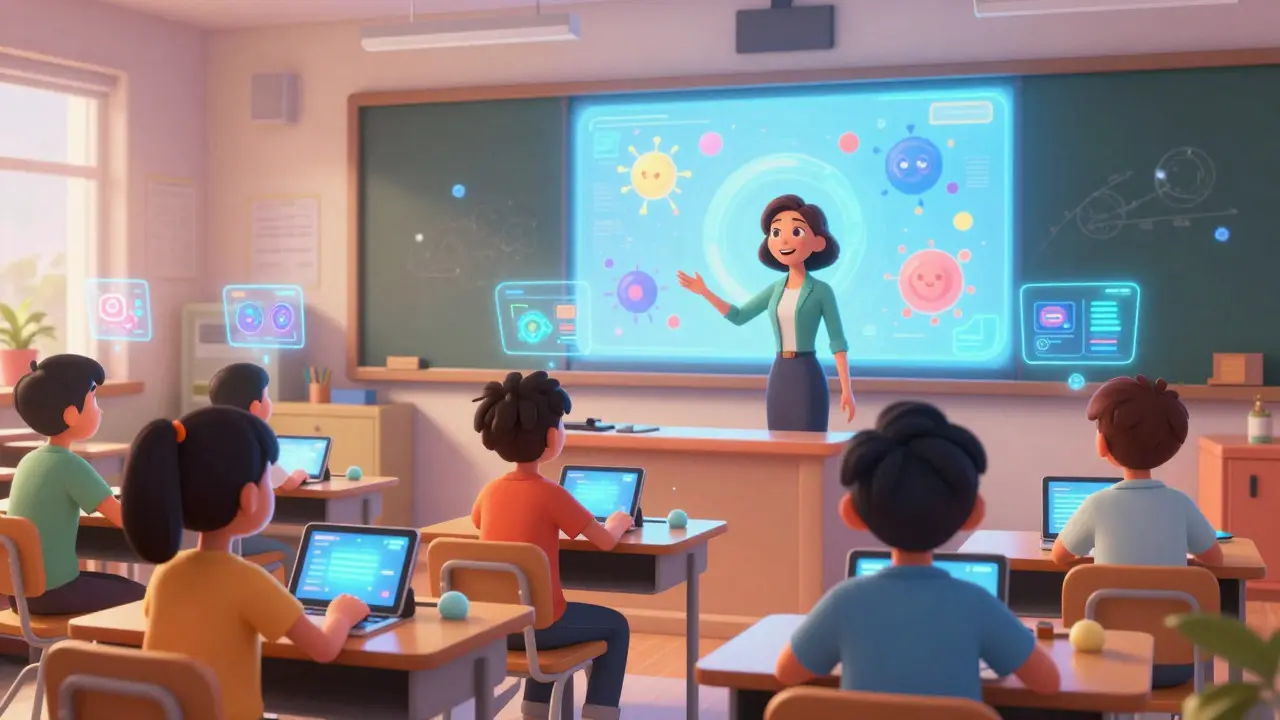 Jul, 30 2026
Remember when "going to school" meant sitting in a specific room at a specific time? That model is cracking under the weight of modern expectations. We are standing on the edge of a massive shift in how humans acquire skills. It’s not just about putting lectures on YouTube anymore. The real revolution lies in hybrid and blended learning models, which are reshaping everything from K-12 classrooms to corporate boardrooms.
If you’ve been trying to keep up with educational trends, you might feel overwhelmed by the jargon. Is it flipped? Is it hybrid? Is it blended? These terms get tossed around loosely, but they represent distinct strategies for solving very different problems. Understanding the difference isn’t just academic-it’s the key to building a learning environment that actually works for people who have lives outside of class.
The Core Difference: Blended vs. Hybrid
Let’s clear up the confusion first. While often used interchangeably, these two concepts operate differently.
Blended Learning is an approach where students learn through a combination of online digital media and traditional face-to-face classroom methods. In this model, the online component is integrated into the curriculum. Think of it as a sandwich: the bread is the teacher-led instruction, and the filling is the digital content. They happen together or in close succession within the same course structure. The goal here is flexibility and personalization. A student might watch a video lecture at home (online) and then come to class to work on a group project (face-to-face). The physical classroom remains the anchor.
Hybrid Learning, on the other hand, is a more flexible model that allows students to choose between attending classes remotely or in person. It’s less about integrating tools and more about location independence. You can take the whole course online, or you can show up physically. If you show up physically, you might be interacting with peers who are also there, while others join via Zoom. The key distinction is choice and modality. Hybrid learning treats the physical space as optional rather than mandatory.
| Feature | Blended Learning | Hybrid Learning |
|---|---|---|
| Primary Goal | Enhance engagement through mixed methods | Provide location and schedule flexibility |
| Attendance | In-person attendance usually required | In-person attendance optional or rotational |
| Technology Role | Supplemental tool for content delivery | Primary platform for remote access |
| Best For | K-12 schools, skill-building workshops | Higher education, corporate training |
Why This Shift Is Happening Now
We didn’t wake up one day in 2026 and decide to change how we learn. Several forces converged to make this evolution inevitable. First, the post-pandemic reality check showed us that remote work and study were viable. Second, the workforce changed. Employers no longer want graduates who can memorize facts; they want problem-solvers who can collaborate across time zones. Traditional lecture halls don’t teach that well.
Then there’s the technology factor. Learning Management Systems (LMS) like Canvas, Moodle, and Blackboard have matured. They’re no longer just digital filing cabinets for syllabi. Today’s platforms use AI to track student progress, predict dropouts, and recommend resources. This data layer makes blended and hybrid models sustainable. Without robust tech infrastructure, managing a hybrid class is a logistical nightmare. With it, it’s a streamlined experience.
Designing Effective Blended Experiences
So, how do you actually build a blended model that doesn’t fall apart? It starts with intentionality. You can’t just upload a PDF and call it a day. Here is a practical framework for designing these courses:
- Define the "Why" for Each Modality: Don’t put something online just because you can. Ask yourself: Does this concept require discussion? Then it belongs in the live session. Can this be self-paced? Then it belongs online. Use the "Flipped Classroom" strategy where foundational knowledge is consumed digitally, freeing up live time for application and debate.
- Create Seamless Transitions: The biggest friction point in blended learning is switching contexts. Students hate logging into three different apps to do one assignment. Integrate your tools. If your LMS connects directly with your video conferencing tool and your quiz platform, you reduce cognitive load.
- Build in Synchronous Touchpoints: Even in heavily online courses, humans crave connection. Schedule regular, short live sessions for Q&A or peer review. These don’t need to be long lectures. Ten minutes of focused interaction can boost retention significantly.
- Assess Differently: Multiple-choice quizzes are fine for checking factual recall online. But save your complex assessments for the in-person or synchronous components. Use rubrics that evaluate collaboration, critical thinking, and presentation skills-things that are hard to fake in a solo online setting.
Navigating the Challenges of Hybrid Models
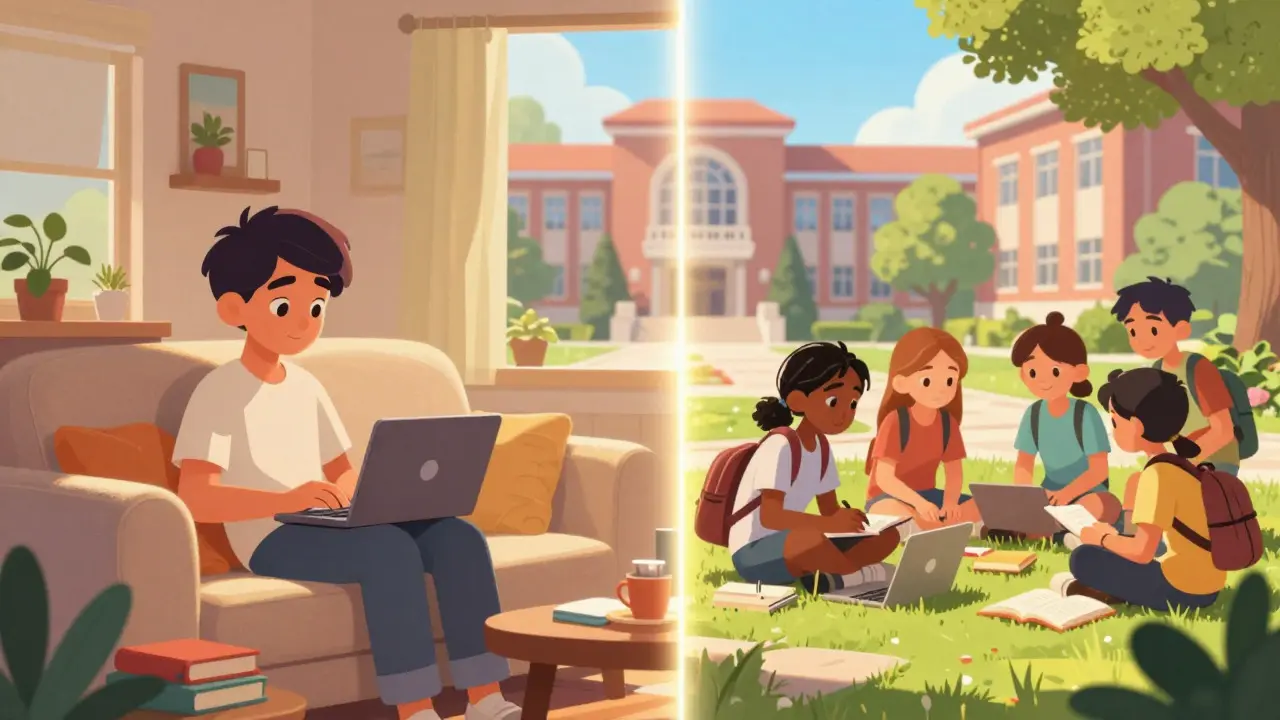
Hybrid learning sounds great in theory, but it has pitfalls. The most common complaint? The "two-tier" system. Students who attend in person often get more attention from the instructor, while remote participants feel like second-class citizens watching a screen. This kills engagement.
To fix this, instructors must adopt a "remote-first" mindset during hybrid sessions. This means everyone joins the virtual meeting link, even those in the room. This ensures equal audio quality, equal access to shared screens, and equal participation in chat functions. It levels the playing field.
Another challenge is isolation. Online learners can drift away if they don’t feel part of a community. Combat this by creating structured peer groups. Assign small teams that mix remote and in-person students. Give them a shared goal that requires both types of members to contribute their unique perspectives. This builds social presence, which is crucial for completion rates.
The Role of AI and Adaptive Learning
Let’s talk about the elephant in the room: Artificial Intelligence. In 2026, AI isn’t a novelty; it’s the engine driving personalized learning. In both blended and hybrid models, AI tutors can provide immediate feedback on assignments. Imagine a student struggling with calculus at 10 PM. Instead of waiting until next Tuesday’s office hours, an AI assistant guides them through the problem step-by-step based on their specific errors.
This adaptive capability allows educators to scale personalization. Teachers spend less time grading basic quizzes and more time mentoring students who are truly stuck. Data analytics dashboards now highlight exactly which concepts are causing class-wide confusion, allowing instructors to adjust their live lessons dynamically. This responsiveness is what separates effective modern models from outdated ones.
Implementing Change in Organizations
If you’re an administrator or a department head looking to adopt these models, resist the urge to boil the ocean. Start small. Pick one pilot course or one team training program. Train your facilitators thoroughly-they need new skills. Teaching online is not the same as teaching in person. It requires higher energy, clearer instructions, and better technical troubleshooting.
Invest in professional development for your staff. Provide them with templates, best practices, and tech support. Measure success not just by test scores, but by engagement metrics: login frequency, discussion participation, and completion rates. Gather feedback early and iterate. The "next evolution" of learning isn’t a destination; it’s a continuous process of refinement.
Looking Ahead: What’s Next?
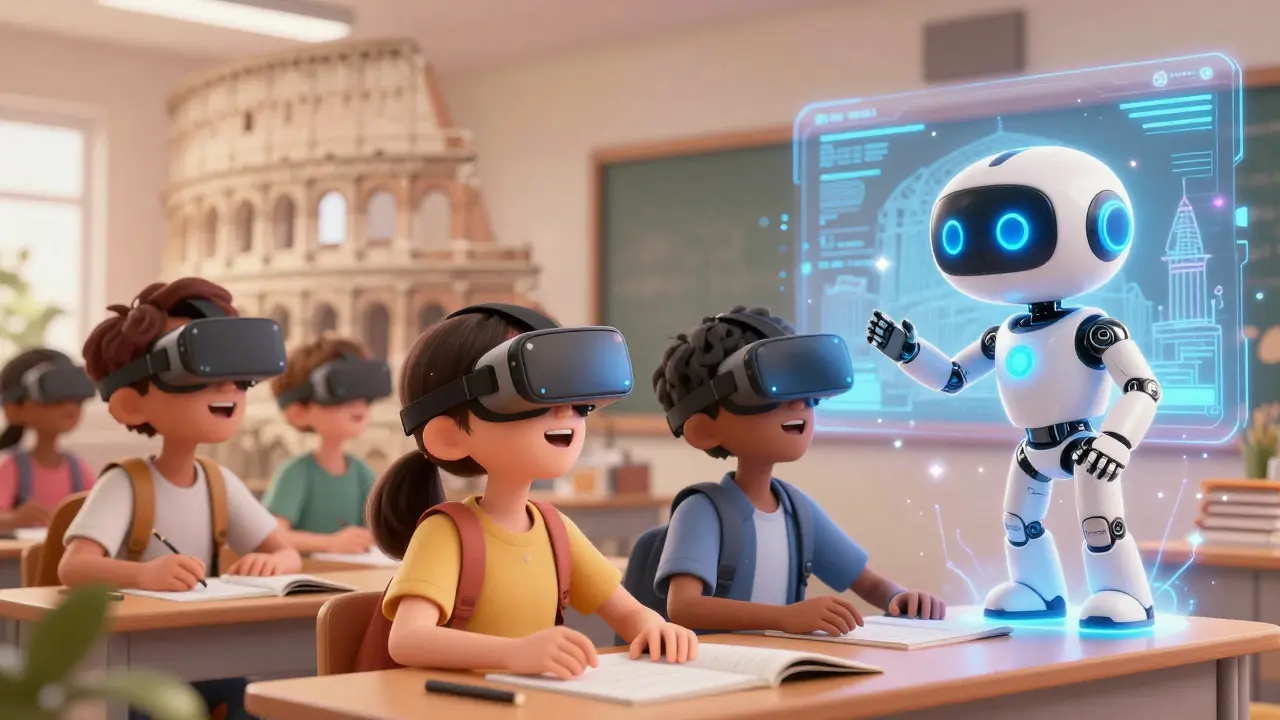
The trajectory is clear. As VR and AR technologies become cheaper and more accessible, the line between physical and digital will blur further. Imagine a hybrid history class where students in Chicago walk through a virtual reconstruction of ancient Rome alongside students in London. The physical classroom becomes a hub for collaboration, while the digital world expands the boundaries of experience.
For now, focus on mastering the fundamentals of blended and hybrid design. Get the pedagogy right. Build strong communities. Leverage technology to enhance, not replace, human connection. That’s how you prepare for whatever comes next.
What is the main difference between blended and hybrid learning?
Blended learning integrates online and face-to-face elements into a single course, usually requiring in-person attendance. Hybrid learning offers students the choice to attend either remotely or in person, providing greater flexibility in location and schedule.
Is hybrid learning better than traditional classroom learning?
It depends on the learner and the subject. Hybrid learning is often better for adult learners, professionals, and those needing schedule flexibility. Traditional classrooms may still be preferable for hands-on labs, young children, or subjects requiring intense physical supervision.
How can teachers prevent isolation in hybrid classes?
Teachers should create mixed groups of remote and in-person students for projects. Using a "remote-first" approach where everyone joins the same virtual link ensures equal participation. Regular synchronous check-ins and active use of chat features also help maintain community.
What technology is essential for successful blended learning?
A robust Learning Management System (LMS) is essential. Additionally, reliable video conferencing tools, interactive whiteboards, and AI-driven analytics platforms help track progress and personalize content. Integration between these tools reduces friction for users.
Can hybrid learning work for K-12 students?
Yes, but it requires careful design. Younger students need more structure and parental support. Blended models are often more successful than fully hybrid ones in K-12, as they keep the physical classroom as a stable anchor while using digital tools to enhance engagement and practice.