Lifelong Learning and Learning Loops: Frameworks for Growth
 Jan, 17 2026
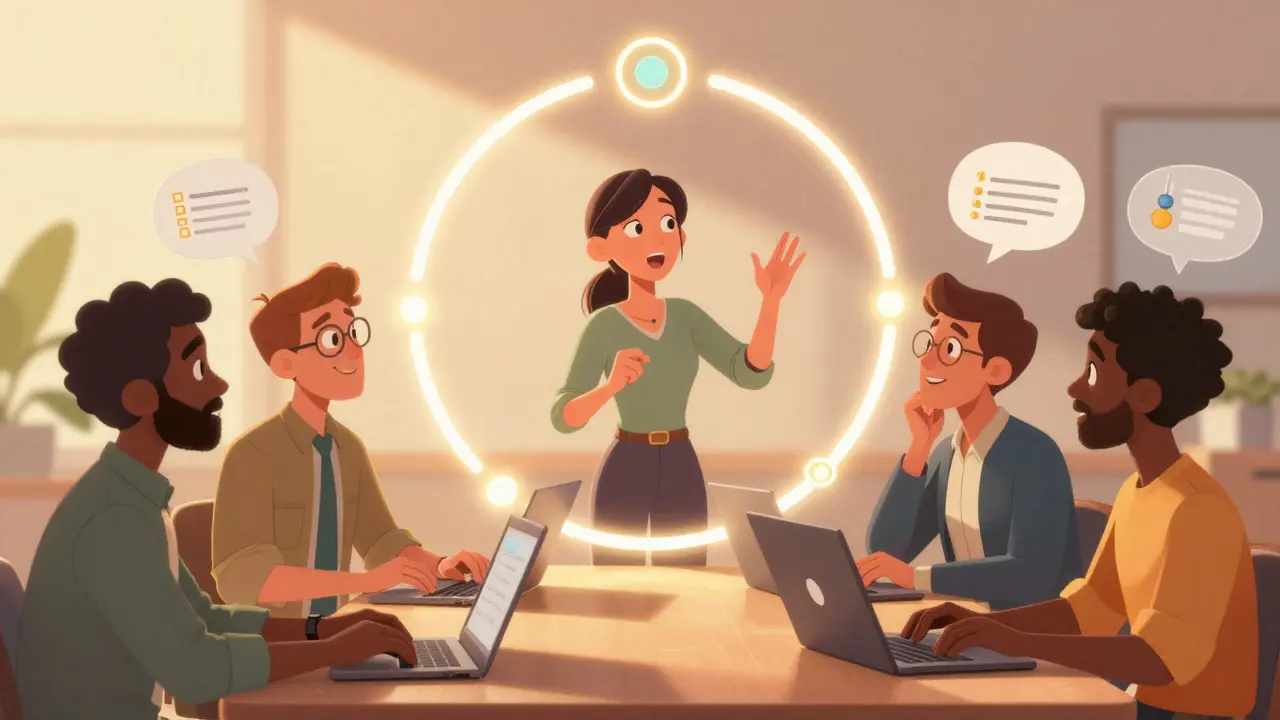
Most people think learning ends when school ends. That’s a myth. The real edge today isn’t who graduated top of their class-it’s who keeps learning after the diploma is filed away. Companies don’t hire for what you knew in 2020. They hire for what you’re learning right now. And the people who stay ahead? They don’t just take courses. They’ve built learning loops-simple, repeatable systems that turn experience into growth.
Why Learning Stops (And How to Restart It)
Think about your last big learning push. Maybe it was a certification. A workshop. A Udemy course you started in January and forgot by March. What happened? You didn’t fail because you were lazy. You failed because you didn’t have a system.
Learning isn’t a one-time event. It’s a cycle. Without structure, it’s like trying to fill a bathtub with a leaky hose. You pour in effort, but nothing stays. That’s why lifelong learning feels impossible for so many. It’s not about time. It’s about feedback.
People who keep growing have a loop: try → reflect → adjust → repeat. They don’t wait for a performance review. They don’t need a boss to tell them what to improve. They build their own feedback engine.
The Three-Layer Learning Loop
There’s a simple framework that works for everyone-from entry-level employees to CEOs. It’s called the Three-Layer Learning Loop. It’s not complicated. But it’s powerful because it’s repeatable.
Layer 1: Micro-Experiments
You don’t need a six-month plan. You need a 10-minute experiment. Want to get better at presenting? Try speaking up in one meeting this week. Want to learn data analysis? Pull one report yourself instead of asking someone else. These aren’t projects. They’re tiny tests. The goal isn’t perfection. It’s data.
Layer 2: Weekly Reflection
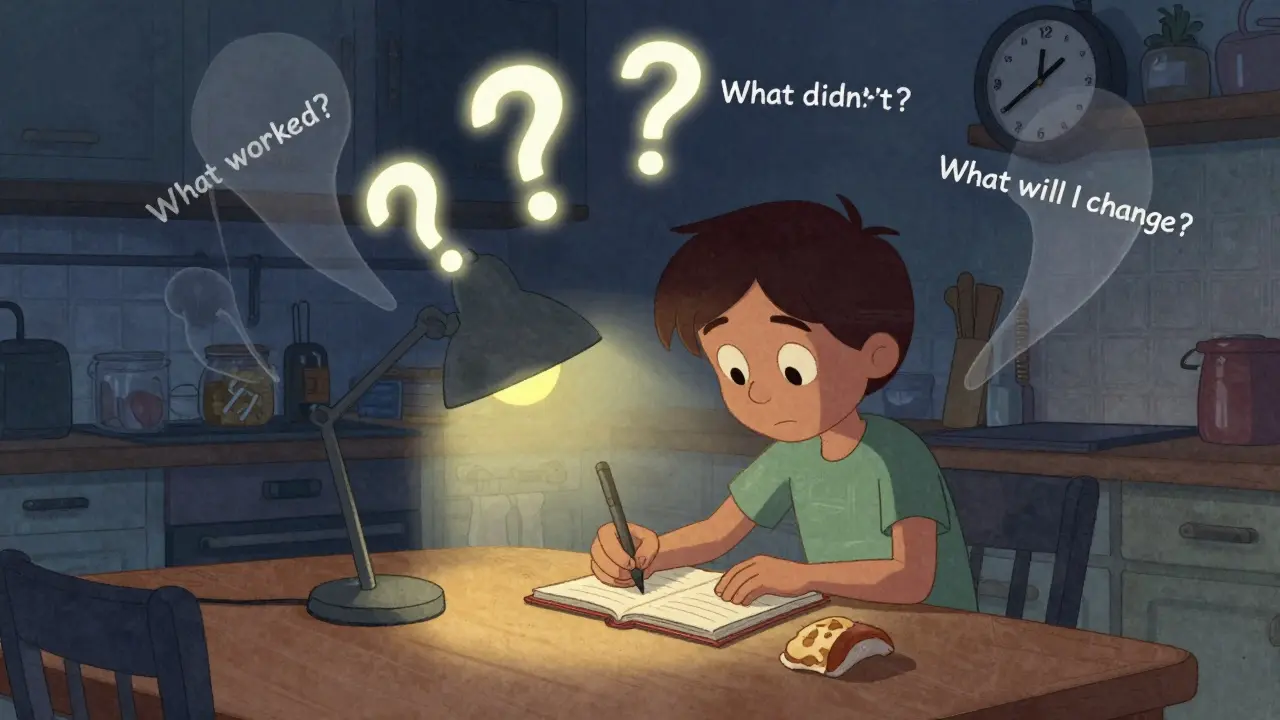
Every Sunday night, ask yourself three questions:
- What did I try this week that worked?
- What didn’t work-and why?
- What’s one small thing I’ll change next week?
That’s it. No journaling for an hour. No fancy templates. Just three questions. This is where most people skip. They learn, but never pause to connect the dots. Reflection turns experience into insight.
Layer 3: Monthly Reset
Once a month, look at your patterns. Did you keep trying the same thing? Did you avoid something because it felt uncomfortable? Did you notice a skill that kept popping up as a gap? That’s your signal. Maybe you need to dive deeper into that topic. Or maybe you need to drop something that’s not serving you anymore.
This loop doesn’t require apps, subscriptions, or extra hours. It just needs consistency. And it works because it’s tied to real life-not abstract goals.
What Learning Loops Look Like in Real Life
Meet Sarah. She’s a marketing coordinator in Phoenix. Two years ago, she was stuck. She liked her job but felt invisible. She didn’t have the skills to move up.
She started small. Every Friday, she picked one thing to test. One week, she wrote the email campaign herself instead of asking the designer. The next week, she tracked the open rates. She noticed something: emails with personal subject lines got 40% more opens. She didn’t know stats, but she saw the pattern.
Every Sunday, she wrote down her three questions. After three months, she realized she was naturally drawn to data. So she did a monthly reset: she signed up for a free Google Analytics course. Not because she had to. Because she wanted to.
Today, she runs the analytics for her team. No promotion. No title change. Just a learning loop that turned curiosity into competence.
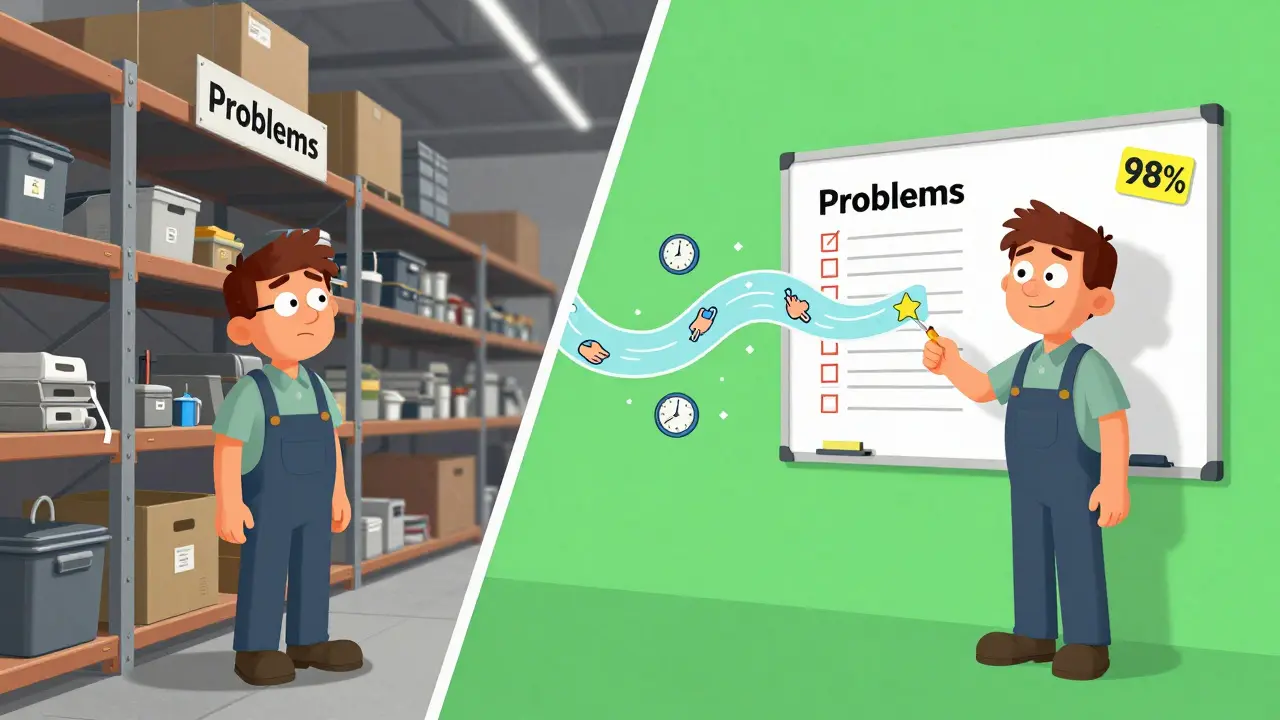
Same story with Marcus, a warehouse supervisor in Ohio. He hated meetings. But he noticed his team kept missing deadlines. He started asking one question after each shift: What slowed us down today? He wrote answers on a whiteboard. After six weeks, the same three issues came up: mislabeled bins, unclear handoffs, no one checking inventory before closing.
He didn’t wait for management to fix it. He made a simple checklist. Tested it for two weeks. Got buy-in from his crew. Now, his team hits 98% on-time delivery. No new software. No training budget. Just a loop of trying, noticing, and adjusting.
Why Traditional Learning Fails
Online courses? Great. Certifications? Helpful. But they’re one-way streets. You watch. You take a quiz. You get a badge. Then you move on. No feedback. No real-world pressure. No consequences.
Learning loops work because they’re messy. They’re tied to your actual work. You fail in front of real people. You see the impact. You adjust. That’s how the brain learns best-through doing, not just consuming.
Companies still spend millions on annual training programs. But the people who grow fastest? They don’t wait for HR to send them a link. They build their own learning engine. And it’s not about hours logged. It’s about questions asked.
How to Start Your Loop (Even If You’re Busy)
You don’t need to quit your job. You don’t need to wake up at 5 a.m. You just need to make one tiny change this week.
- Choose one skill you want to improve. Not five. One.
- Find a way to test it in the next 7 days. Something small. Something real.
- On Sunday, ask yourself: What did I learn? What surprised me? What will I do differently?
- Repeat. Every week. No exceptions.
That’s it. That’s the whole framework.
Start with something that matters to you. Not what your boss wants. Not what’s trending on LinkedIn. What do you care about? Maybe you want to lead meetings better. Maybe you want to understand budgets. Maybe you want to write clearer emails. Pick one. Try it. Reflect. Adjust.
After six months, you won’t just be better at that one thing. You’ll be better at learning itself. And that’s the only skill that never goes out of style.
Common Mistakes (And How to Avoid Them)
People try learning loops and quit fast. Here’s why-and how to fix it.
- Mistake: Waiting for motivation. Fix: Motivation follows action. Don’t wait to feel ready. Just start.
- Mistake: Trying too much at once. Fix: One loop at a time. Master the rhythm before adding more.
- Mistake: Skipping reflection. Fix: Set a calendar reminder. Sunday night. 10 minutes. Non-negotiable.
- Mistake: Comparing yourself to others. Fix: Your loop is yours. Someone else’s progress doesn’t measure your growth.
The goal isn’t to be the fastest learner. It’s to be the most consistent one.
What Happens When You Stick With It
After a year of consistent learning loops, something shifts. You stop seeing learning as a chore. You start seeing it as a superpower.
You notice patterns others miss. You solve problems faster. You’re not afraid to say, I don’t know-but I’ll find out. That’s the kind of person companies keep around. That’s the kind of person who builds a career that lasts.
You don’t need to be the smartest. You don’t need the fanciest degree. You just need to keep showing up, asking questions, and adjusting.
That’s lifelong learning. Not a course. Not a certificate. A habit.
What’s the difference between lifelong learning and just taking courses?
Taking courses is consuming information. Lifelong learning is building a system to turn experience into growth. Courses give you knowledge. Learning loops give you adaptation. One is a snapshot. The other is a process.
Do I need special tools or apps for learning loops?
No. A notebook, a calendar reminder, or even a note on your phone works. The tool doesn’t matter. What matters is the rhythm: try, reflect, adjust. Tools can help, but they don’t create the loop. You do.
How long until I see results from a learning loop?
You’ll notice small wins in 2-4 weeks-like feeling more confident in a meeting or solving a problem faster. Big changes-like a new role or skill mastery-take 6-12 months. But the real win? You’ll start trusting your own ability to learn. That’s the foundation of everything else.
What if I don’t have time for a learning loop?
You don’t need more time. You need to repurpose what you already do. Instead of scrolling after dinner, ask yourself: What did I learn today? Instead of waiting for feedback, give yourself a quick review after a project. Learning loops don’t add time-they make existing moments count more.
Can learning loops work for non-work skills?
Absolutely. Want to cook better? Try one new recipe a week. Reflect on what worked. Adjust next time. Want to be a better listener? Practice asking one follow-up question in each conversation. Learning loops work anywhere you want to grow-not just at work.
Next Steps: Start Small, Stay Consistent
Don’t overthink this. Pick one thing. Try it this week. Reflect on Sunday. Adjust next Monday. That’s the entire framework.
The future of learning isn’t in fancy platforms or AI tutors. It’s in the quiet, daily habit of asking: What did I learn? What will I do differently? The people who win in the next decade won’t be the ones with the most credentials. They’ll be the ones who never stopped learning-and built a system to make sure they never could.
Megan Ellaby
January 18, 2026 AT 14:28Rahul U.
January 19, 2026 AT 08:53E Jones
January 19, 2026 AT 10:46Barbara & Greg
January 21, 2026 AT 03:57selma souza
January 21, 2026 AT 14:38Frank Piccolo
January 22, 2026 AT 00:57James Boggs
January 22, 2026 AT 12:51Addison Smart
January 23, 2026 AT 12:15David Smith
January 25, 2026 AT 06:49Lissa Veldhuis
January 27, 2026 AT 03:27Michael Jones
January 29, 2026 AT 00:51Scott Perlman
January 30, 2026 AT 11:48Sandi Johnson
January 30, 2026 AT 20:00Eva Monhaut
February 1, 2026 AT 04:56mark nine
February 2, 2026 AT 07:31Tony Smith
February 4, 2026 AT 01:58Rakesh Kumar
February 4, 2026 AT 05:21Bill Castanier
February 5, 2026 AT 13:05