Men’s Health Topics and Wellness: Course Framework
 Dec, 8 2025
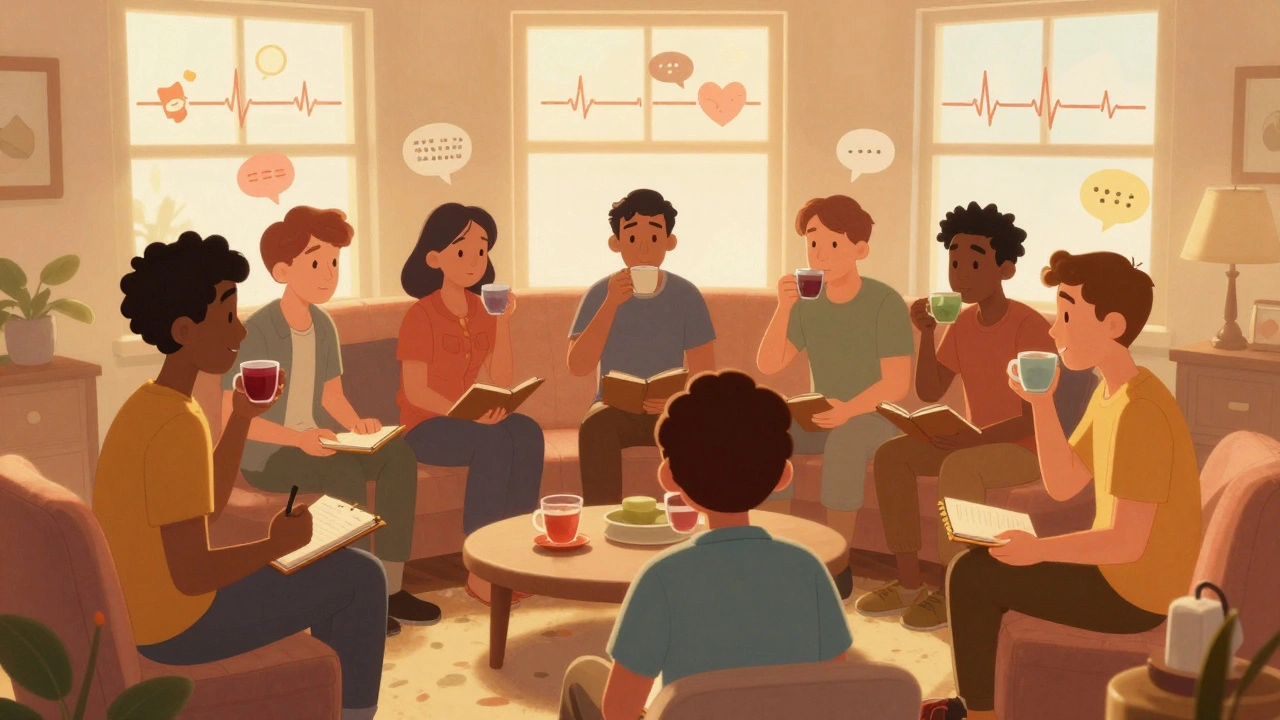
Men’s health isn’t just about lifting weights or avoiding heart disease. It’s about sleep quality, emotional resilience, prostate checks, testosterone levels, and how often you talk to someone who actually listens. Yet most men’s health programs still treat wellness like a checklist: exercise more, eat greens, drink less. That’s not enough. Real change starts when men get a clear, practical roadmap - not just advice, but a course framework that builds habits over time.
Why Men’s Health Needs a Structured Course
Men die, on average, five years earlier than women in the U.S. And it’s not just because of accidents or genetics. A 2024 CDC report showed that men are 37% less likely to see a doctor for routine checkups. Why? Many don’t know what to look for. Others feel ashamed. Some think they’re fine until they’re not.
A course framework changes that. It turns scattered tips into a daily system. Instead of reading an article about stress, men learn how to track their mood for 14 days, identify triggers, and use breathing techniques that take 90 seconds. It’s not about being perfect. It’s about showing up.
Core Pillars of a Men’s Wellness Course
Effective men’s health courses don’t try to cover everything at once. They focus on five non-negotiable pillars:
- Physical Health: Blood pressure, cholesterol, BMI, testosterone, and prostate screening schedules. Not just what to test, but when and why.
- Mental Health: Recognizing depression that looks like anger, managing anxiety without meds, and building emotional vocabulary.
- Nutrition & Hydration: Protein intake for muscle maintenance after 35, reducing processed sugar, and hydration myths (no, coffee doesn’t fully count).
- Sleep & Recovery: How blue light, alcohol, and late-night scrolling disrupt deep sleep - and how to fix it without sleep trackers.
- Social Connection: Why men lose friends after 40, how to rebuild trust in friendships, and the role of shared activity (hiking, cooking, fixing cars) in emotional bonding.
Each pillar gets its own module. Not a lecture. A live exercise. For example, the sleep module doesn’t just explain REM cycles. It asks men to log their bedtime, screen use, and morning energy for a week, then adjust one variable - like turning off lights 30 minutes earlier.
How the Course Structure Works
A good course doesn’t dump content. It scaffolds it. Think of it like building a house: foundation first, then walls, then roof.
- Weeks 1-2: Awareness - Men take a simple health quiz. No judgment. Just data. What’s their waist-to-height ratio? How many meals a week include vegetables? How often do they say “I’m fine” when they’re not?
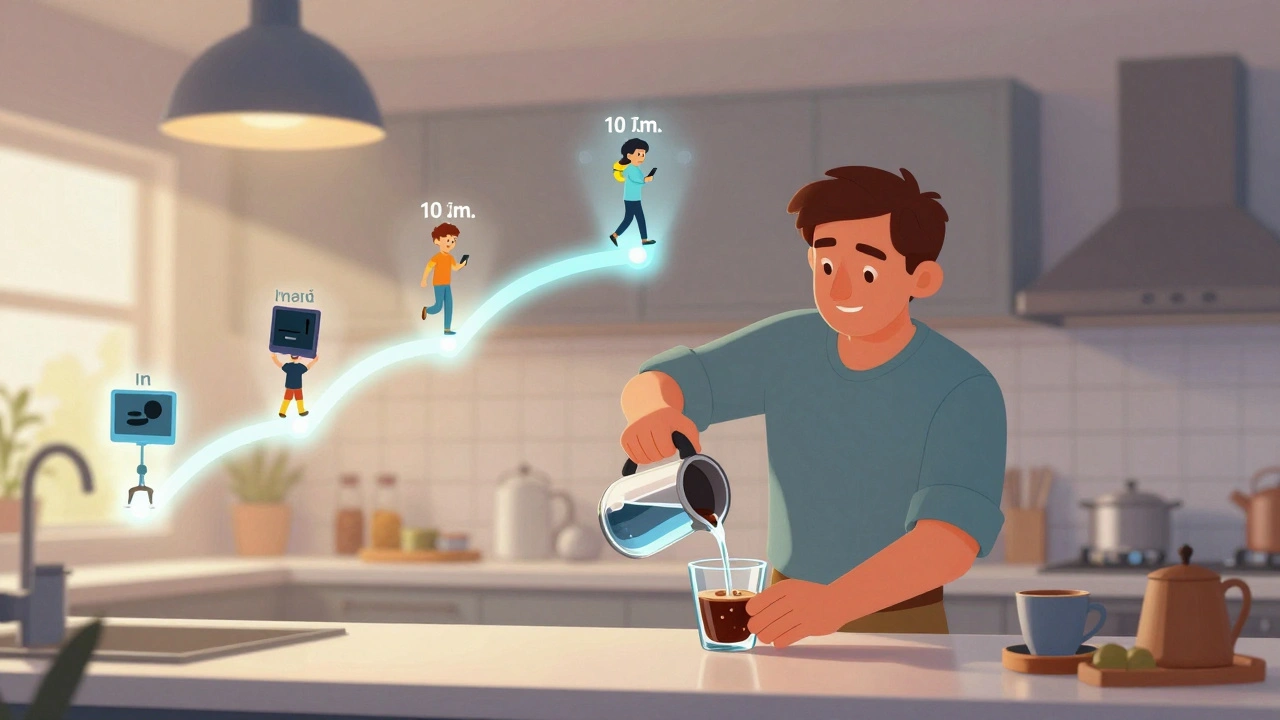
- Weeks 3-5: Action - One small habit per week. No more than 10 minutes a day. Example: “Every morning, drink a glass of water before coffee.” Or: “Text one friend a question that isn’t about sports or work.”
- Weeks 6-8: Integration - Men start connecting habits. Drinking water leads to better sleep. Better sleep leads to less irritability. Less irritability leads to more honest conversations.
- Weeks 9-12: Ownership - Men design their own maintenance plan. What will they keep? What will they drop? Who will they check in with monthly?
This isn’t a 12-week challenge. It’s a 12-week launchpad. The goal isn’t to finish the course. It’s to keep going after it ends.
What Makes This Different From Other Health Programs
Most men’s health apps and videos feel like they’re shouting from a podium. This course feels like a conversation over coffee.
Here’s what sets it apart:
| Feature | Traditional Programs | This Course Framework |
|---|---|---|
| Focus | Weight loss, muscle gain | Long-term resilience |
| Delivery | Video lectures, PDFs | Text-based daily prompts, voice notes, journaling |
| Accountability | App streaks, badges | Private peer groups with men over 35 |
| Emotional Support | Rarely addressed | Guided prompts: “When was the last time you felt truly heard?” |
| Medical Guidance | General advice | Clear when to see a doctor, what questions to ask, what tests to request |
The course doesn’t replace doctors. It gives men the confidence to talk to them. It teaches them to say, “I’ve been having trouble sleeping for three months,” instead of “I’m just tired.”
Real Stories From Real Men
Mark, 48, signed up after his doctor told him his testosterone was low. He thought it meant he needed pills. The course taught him that his sleep was terrible, his stress was high, and he hadn’t had a real conversation with his wife in over a year. After eight weeks, his levels improved - not because of hormones, but because he started walking with his son every Sunday and turned off his phone by 10 p.m.
Diego, 39, joined after a panic attack at work. He thought he was weak. The mental health module helped him name his fear: “I’m not enough.” He started journaling for five minutes a day. He joined a men’s group that meets monthly to fix bikes. He didn’t need therapy right away. He needed to feel seen.
These aren’t outliers. They’re typical. Men don’t need more motivation. They need a safe, simple system that doesn’t shame them for being human.
What to Avoid in a Men’s Health Course
Bad courses make three big mistakes:
- They use fitness jargon. “Hit your macros.” “Squat for gains.” Men don’t care about terminology. They care about feeling strong, alert, and calm.
- They ignore social isolation. Men lose friends after divorce, job loss, or kids leaving home. A course that doesn’t address this is incomplete.
- They assume one-size-fits-all. A 25-year-old athlete needs different support than a 55-year-old with prediabetes. The course must offer paths, not one rigid plan.
Also, avoid guilt. Don’t say, “You should be doing more.” Say, “What’s one thing you can try this week that feels doable?”
How to Start Your Own Men’s Wellness Course
If you’re building this for a company, community, or personal use, here’s how to begin:
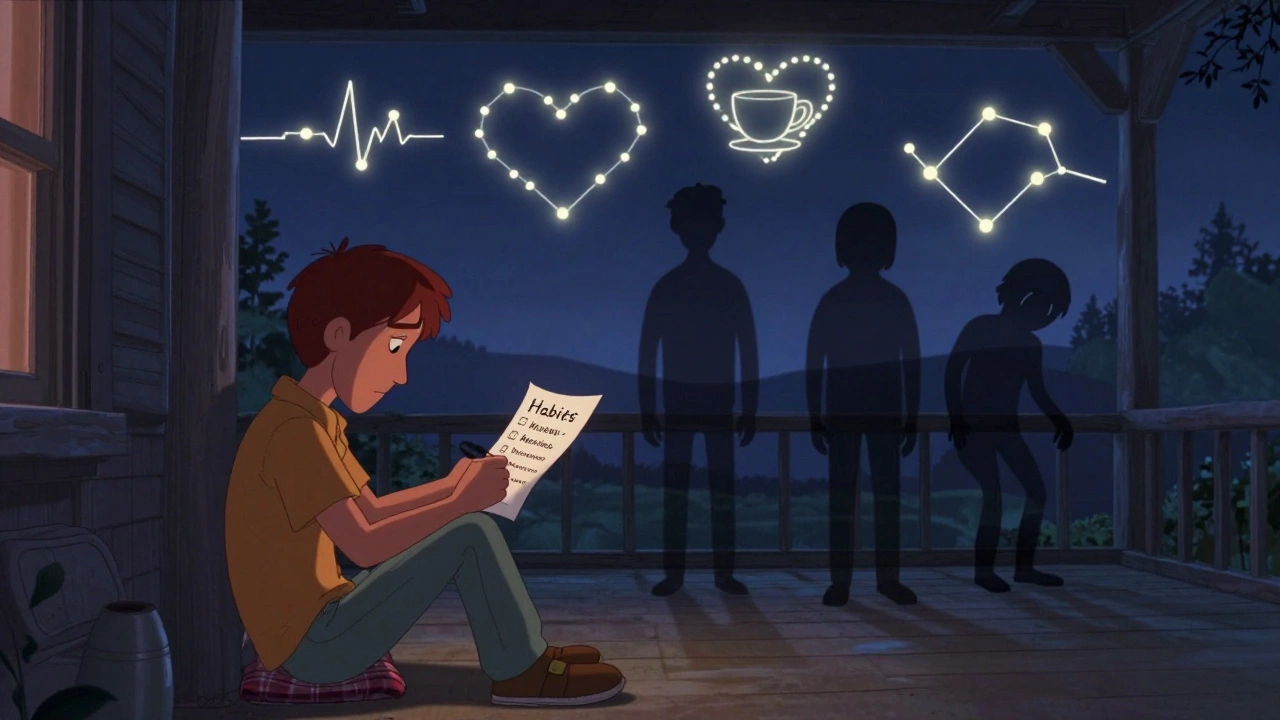
- Start with a survey: Ask 50 men what health topic they avoid the most.
- Choose one pillar to pilot - maybe sleep or emotional check-ins.
- Design a 7-day micro-course: One short task per day. No videos. Just text.
- Run it with a small group. Ask: “What felt helpful? What felt like a chore?”
- Expand slowly. Add one module at a time. Let feedback shape it.
You don’t need fancy tech. You need honesty. You need consistency. And you need to listen more than you speak.
Why This Matters Now
In 2025, men’s health is no longer a niche topic. It’s a public health crisis. Suicide rates among men over 45 have risen 22% since 2019. Workplace burnout is at record highs. And yet, most wellness programs still target women.
This course framework isn’t about fixing men. It’s about giving them the tools to fix things themselves - with dignity, without shame, and with real support. It’s not about being strong. It’s about being steady.
What’s the most common mistake men make in health courses?
They try to change everything at once. Instead of building one habit, they download five apps, start a new diet, join a gym, and read ten books. Overwhelm leads to quitting. The best courses focus on one small, sustainable change per week.
Do I need a doctor to join this course?
No. But the course teaches you when to see one. It gives you clear signs - like unexplained weight loss, persistent fatigue, or mood changes lasting over two weeks - that mean it’s time to talk to a professional. It turns confusion into action.
Is this only for men over 40?
No. Men in their 20s and 30s benefit just as much. Early habits around sleep, stress, and connection prevent problems later. The course adapts to life stage - whether you’re just starting out, raising kids, or planning retirement.
Can women use this course too?
The content is designed for men’s specific social and biological patterns, but the structure - small steps, emotional check-ins, peer support - works for anyone. Many women use it to support partners or male family members.
How long does it take to see results?
Most men notice better sleep or less irritability within 10 days. Deeper changes - like improved relationships or consistent energy - take 6 to 8 weeks. The key isn’t speed. It’s continuity. One day at a time.
Next Steps
If you’re ready to start:
- Write down one health area you’ve been avoiding.
- Set a 5-minute timer. Write what’s stopping you.
- Text one person: “Hey, I’m trying to take better care of myself. Want to check in weekly?”
That’s it. No app. No gym membership. No expensive supplement. Just the first step.
Meghan O'Connor
December 10, 2025 AT 04:31This course framework is overengineered bullshit. Men don't need a 12-week structured program to drink water or turn off their phones. Just do it. Stop treating us like toddlers who need a sticker chart for basic human behavior.
Morgan ODonnell
December 10, 2025 AT 14:48I get what you're going for here, but honestly? The most important part is just having someone to talk to. I didn't need a course. I needed my buddy to text me back when I said 'I'm fine' and I wasn't. That's it.
Liam Hesmondhalgh
December 11, 2025 AT 11:06Why are we still talking about men's health like it's some new discovery? We've known for decades that men die younger because they're too proud to go to the doctor. Stop wrapping it in fancy modules and just say it straight: stop being a pussy and get checked.
Patrick Tiernan
December 12, 2025 AT 16:21So let me get this straight... you want me to journal for 5 mins a day and text a friend about something that isn't football? That's the big reveal? I've been doing this since 2018 and nobody wrote a 2000 word essay about it. Also coffee DOES count as hydration, I'm not sorry
Patrick Bass
December 13, 2025 AT 01:13There's something to this. I tried the sleep module. Turned off lights 30 mins early. Didn't use my phone. Didn't change anything else. Slept better for three nights straight. Didn't need a fancy app. Just did it. Simple works.
Tyler Springall
December 13, 2025 AT 22:20This is the most patronizing garbage I've read all year. You think men need a 'safe space' to drink water? You think we don't know what testosterone is? This isn't wellness-it's performative softness wrapped in corporate jargon. The real problem? We've been told we're broken for decades. Now you're selling us a subscription.
Colby Havard
December 15, 2025 AT 13:49While the underlying premise-that men require structured, non-judgmental health frameworks-is empirically valid, the implementation lacks rigorous methodological grounding. The absence of longitudinal data, control groups, and validated psychological metrics renders this proposal anecdotal at best, and potentially misleading at worst. One cannot extrapolate from four testimonials to a public health solution.
Amy P
December 17, 2025 AT 08:14OMG I cried reading Diego’s story. I’ve been there. My brother went silent for two years after his divorce and I didn’t know how to reach him until he started fixing old radios with his neighbor. That’s the magic right there-shared activity, no pressure, no therapy speak. Why do we make everything so complicated? Just let men be men-while also letting them be human.
Ashley Kuehnel
December 17, 2025 AT 11:12YES! This is so real. I’m a woman but my husband did this course and he finally talked to me about how lonely he felt. We started walking after dinner. No phones. Just us. And now he doesn’t say "I’m fine" anymore. He says "I’m overwhelmed today." And I don’t fix it. I just say "I’m here." That’s all it took.
adam smith
December 18, 2025 AT 14:02While the content presented is well-intentioned, the structure appears overly simplistic. The notion that a single 5-minute daily task can produce meaningful health outcomes is not supported by current behavioral science literature. Furthermore, the dismissal of fitness terminology as irrelevant is concerning, as precise language often facilitates adherence and accountability in health interventions.
Dmitriy Fedoseff
December 19, 2025 AT 22:45You know what’s worse than not talking? Talking to someone who thinks they’re helping but just wants to fix you. I’ve been through therapy, apps, retreats, and wellness coaches. The only thing that changed me? My uncle. He didn’t give me advice. He showed up every Saturday with a wrench and said, "This carburetor’s been giving me hell. You wanna help?" We didn’t talk about feelings. We talked about torque specs. And somewhere in between tightening bolts, I realized I wasn’t broken. I was just tired. This course? It’s got heart. But don’t forget: sometimes the deepest healing happens in silence, with grease on your hands.