Nutrition and Dietary Counseling Courses: Syllabus and Outcomes
 Mar, 12 2026
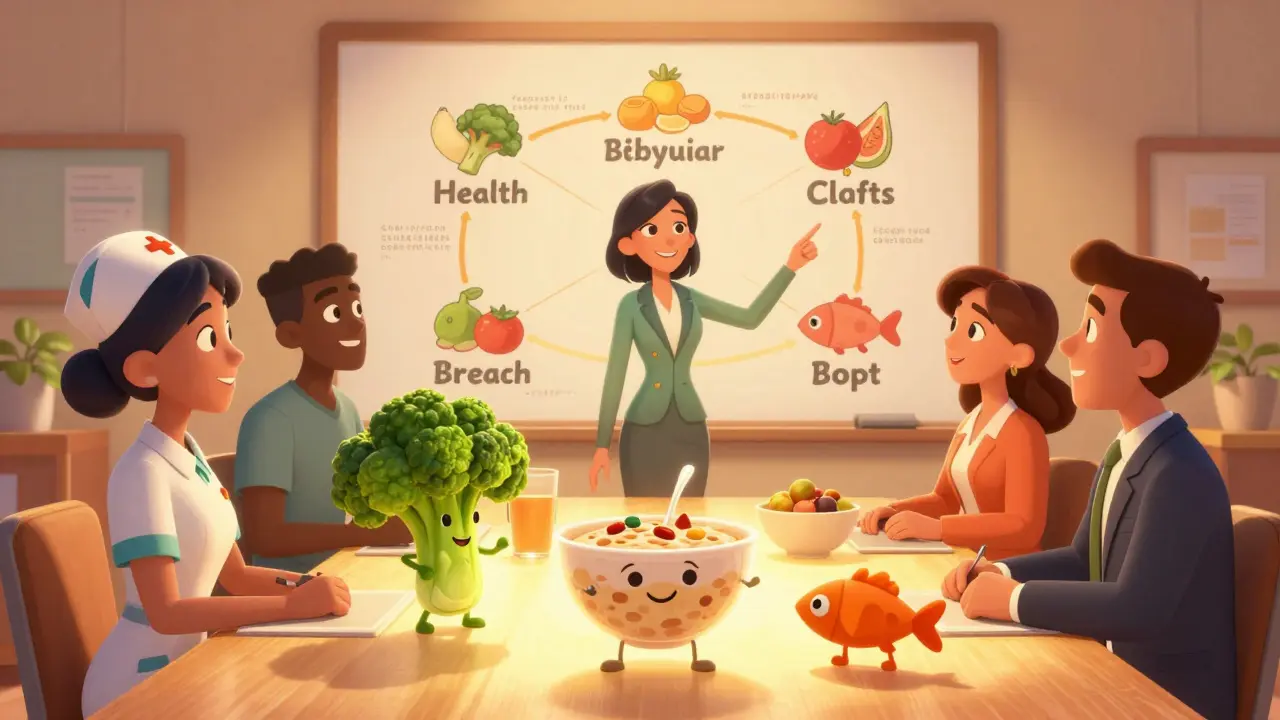
When you sign up for a nutrition and dietary counseling course, you’re not just learning about food. You’re learning how to change lives - one meal at a time. Whether you’re a healthcare worker looking to expand your skills, a fitness professional wanting to go deeper, or someone switching careers into public health, these courses give you the tools to help people eat better, feel better, and stay healthier. But what exactly do these programs teach? And what can you actually do after you finish?
What’s in a Typical Nutrition and Dietary Counseling Syllabus?
A solid nutrition and dietary counseling course doesn’t just list foods to eat or avoid. It builds a framework for understanding how food interacts with the body, behavior, and environment. Most accredited programs follow a structure that includes five core areas.
- Human Nutrition Science - This covers macronutrients (carbs, proteins, fats), micronutrients (vitamins and minerals), metabolism, and how nutrients affect cellular function. You’ll learn why omega-3s reduce inflammation, how fiber impacts gut bacteria, and why vitamin D isn’t just about bones.
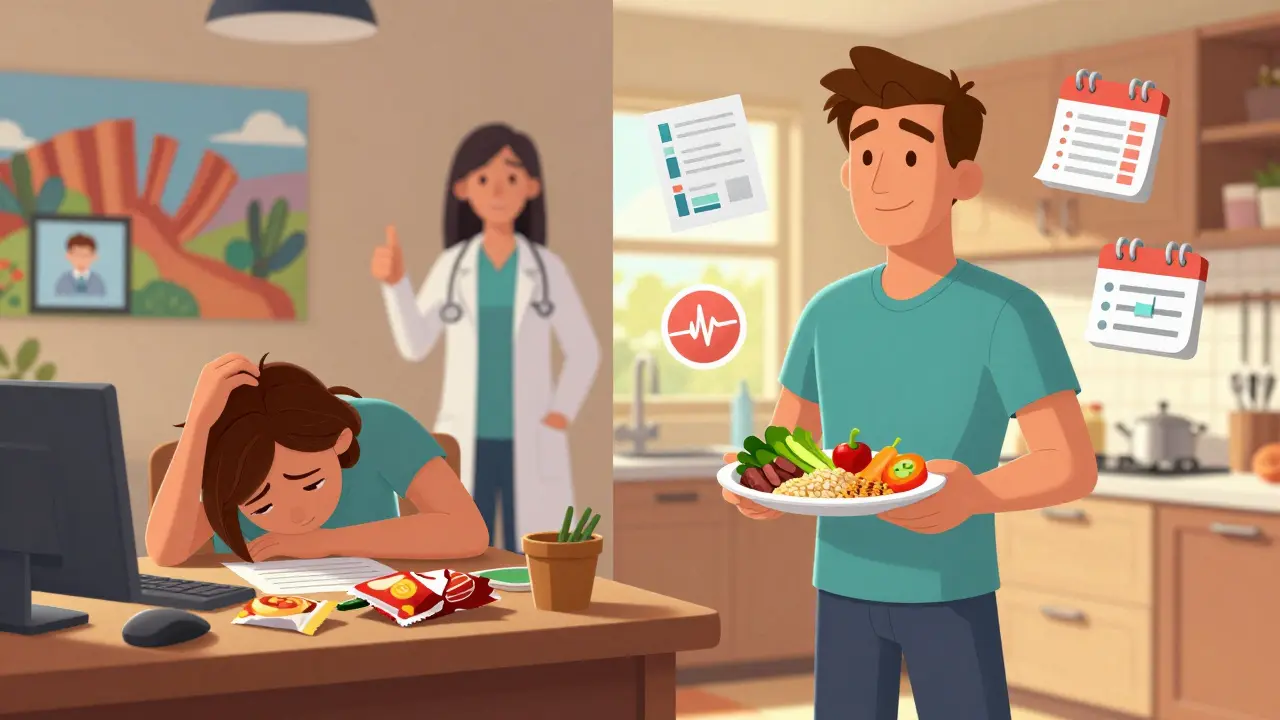
- Dietary Assessment Methods - You’ll practice using food diaries, 24-hour recalls, and food frequency questionnaires. Real-world training includes reviewing a client’s log and spotting patterns - like someone who eats healthy during the week but crashes on weekends.
- Counseling Techniques - This is where theory meets practice. You’ll learn motivational interviewing, the transtheoretical model of change, and how to talk to someone who says, "I know I should eat better, but..." without sounding judgmental.
- Medical Nutrition Therapy - You’ll study how diet affects chronic conditions: diabetes, hypertension, kidney disease, PCOS, and digestive disorders. For example, a low-FODMAP diet isn’t just trendy - it’s clinically proven for IBS.
- Community and Public Health Nutrition - Here, you’ll explore food access, food deserts, cultural dietary practices, and how policy shapes what people eat. You’ll see how SNAP benefits affect grocery choices in rural Arizona or how school lunch programs impact childhood obesity.
Many programs include 100+ hours of supervised practice. That means you’ll sit in on real client sessions, review case studies from clinics, and get feedback from licensed dietitians. It’s not a lecture hall - it’s a training ground.
What Outcomes Can You Expect?
By the end of a quality course, you shouldn’t just know more about nutrition. You should be able to do something with that knowledge. Here’s what successful graduates can typically do:
- Conduct personalized nutrition assessments - You’ll learn how to interpret lab results, body composition data, and lifestyle factors to build a plan that fits the person, not the textbook.
- Create evidence-based meal plans - No more cookie-cutter diets. You’ll design plans for vegetarians, athletes, diabetics, pregnant women, and older adults - all based on current guidelines from the Academy of Nutrition and Dietetics.
- Use behavioral strategies to improve adherence - You’ll help clients move from "I want to eat healthy" to actually doing it. That means setting micro-goals, removing barriers, and celebrating small wins.
- Communicate clearly with healthcare teams - You’ll learn how to write referrals, share notes with doctors, and speak the language of clinical care. This isn’t about replacing physicians - it’s about working as part of a team.
- Work in multiple settings - Graduates find roles in hospitals, private practices, corporate wellness, schools, nonprofits, and even telehealth platforms. In Tempe alone, over 120 clinics now employ nutrition counselors alongside physical therapists and mental health providers.
These aren’t vague promises. A 2025 survey of 850 graduates from accredited programs found that 92% were employed in nutrition-related roles within six months of completing their training. Most reported higher job satisfaction than in their previous careers.
How Is This Different From Online Diet Plans or YouTube "Experts"?
There’s a big difference between learning nutrition from a TikTok influencer and learning it from a structured, science-backed course. Here’s how:
| Aspect | Structured Nutrition Course | Online Diet Trend |
|---|---|---|
| Source of Information | Peer-reviewed journals, clinical trials, government guidelines | Social media, personal testimonials, anecdotal claims |
| Personalization | Based on medical history, lab results, cultural preferences | One-size-fits-all plans (e.g., "7-day cleanse") |
| Accountability | Supervised practice, feedback from licensed professionals | None - you’re on your own |
| Legal Scope | Recognized by health boards; can work in clinical settings | No formal credential; may violate state practice laws |
| Long-Term Impact | Focus on sustainable behavior change | Focus on quick fixes, weight loss, or viral trends |
One student from a Phoenix-based program shared that after taking the course, she helped a client with prediabetes reverse her condition - not by cutting carbs, but by adding more movement, sleep, and stress management. That’s the kind of depth you won’t get from a 10-minute video.
Who Should Take These Courses?
These aren’t just for aspiring dietitians. Many professionals benefit from formal training:
- Personal trainers - Want to go beyond protein shakes? Learn how to address insulin resistance or gut health.
- Registered nurses - Nutrition is the #1 overlooked factor in chronic disease management. This fills a critical gap in patient care.
- Teachers and school counselors - Understand how childhood nutrition affects focus, behavior, and learning.
- Corporate wellness coordinators - Design programs that reduce absenteeism and improve productivity.
- Patients with chronic conditions - Some programs allow individuals with conditions like obesity or Type 2 diabetes to enroll as "peer educators."
You don’t need a biology degree to start. Most programs accept applicants with a high school diploma or GED. Some require basic college-level science courses - but many offer bridge modules if you’re behind.
What Certifications Follow These Courses?
Completing a course doesn’t automatically make you certified. But many programs are designed to prepare you for nationally recognized credentials:
- Registered Dietitian Nutritionist (RDN) - Requires a bachelor’s degree, 1,200 supervised hours, and passing the national exam. This is the gold standard.
- Certified Nutrition Specialist (CNS) - For those with a master’s or higher. Focuses on clinical and research-based practice.
- Health and Wellness Coach (HWC) - A less clinical path, ideal for those working in corporate or community settings.
- Board Certified in Applied Nutrition (BCAN) - Offered by some private institutions; often paired with telehealth roles.
Many courses now offer a pathway to sit for the RDN exam. If you’re aiming for clinical work, look for programs accredited by the Accreditation Council for Education in Nutrition and Dietetics (ACEND).
What to Watch Out For
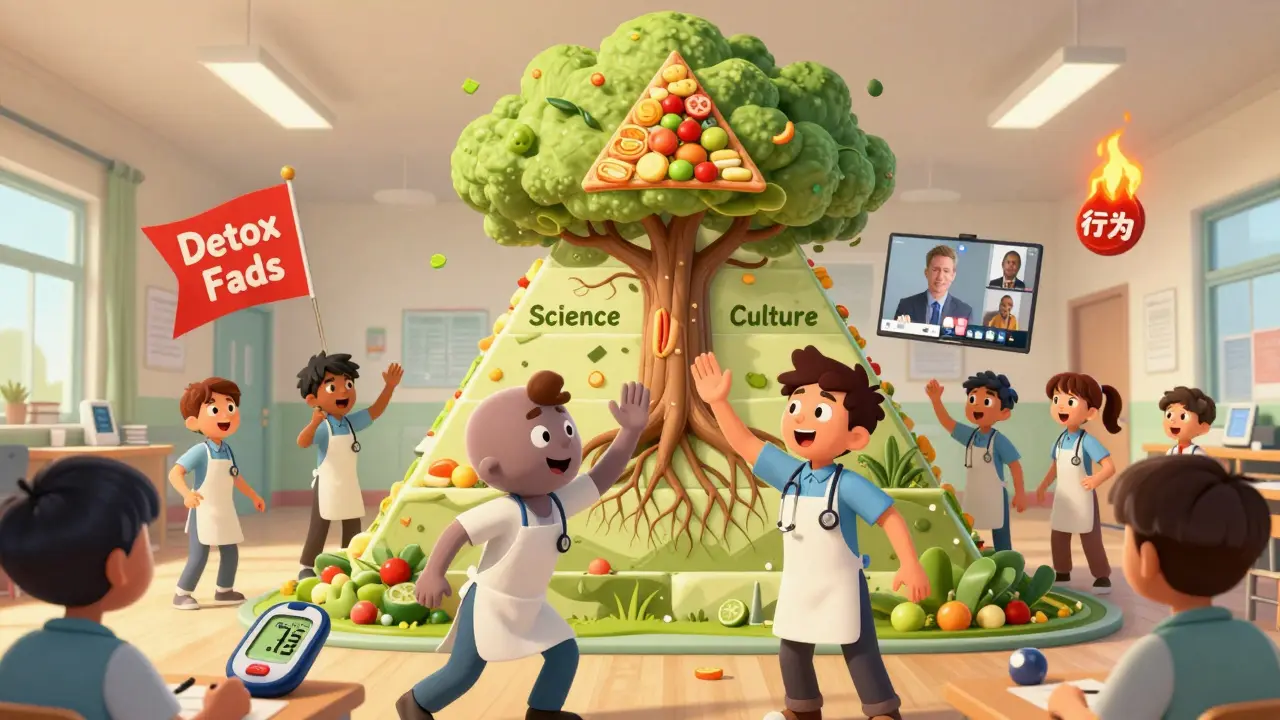
Not all "nutrition courses" are created equal. Here are red flags:
- Promises certification in under 4 weeks
- Focuses only on weight loss or detoxes
- Uses unproven supplements as core curriculum
- Doesn’t list instructors’ credentials (RDN, CNS, etc.)
- Charges over $2,000 without offering supervised practice
Ask for a syllabus. Ask who teaches it. Ask if graduates can work in hospitals or insurance-reimbursed settings. If they can’t answer, walk away.
Real-World Impact: What Graduates Are Doing Now
In Arizona, a former gym instructor turned nutrition counselor started a program for seniors with diabetes. She now partners with 12 community centers and has helped over 400 people reduce their A1C levels by an average of 1.8 points in six months.
A nurse in Tucson used her training to launch a hospital-based nutrition hotline. Patients call in after discharge - and get tailored meal plans that match their meds and budget.
These aren’t outliers. They’re the new normal.
Can I take a nutrition course online and still get certified?
Yes - many accredited programs are fully online. But certification requires supervised practice hours. Some programs partner with local clinics or hospitals to arrange these hours remotely. Others require you to complete them in person. Always check if the program is accredited by ACEND or another recognized body before enrolling.
Do I need a science background to enroll?
No. Most entry-level courses only require a high school diploma or GED. You’ll learn the science as part of the curriculum. However, if you plan to become an RDN, you’ll eventually need a bachelor’s degree in nutrition or a related field. Many online programs offer pathways to bridge from certificate to degree.
How long does a typical nutrition counseling course take?
Most certificate programs run 6 to 12 months, with 10-15 hours of study per week. Intensive programs can be completed in 3-4 months. If you’re aiming for full RDN eligibility, the entire process - including degree and internship - takes 4-6 years. But you can start practicing as a wellness coach or nutrition educator much sooner.
Can I work with clients right after finishing the course?
It depends on your certification. If you complete a non-accredited course, you can offer general wellness advice but cannot diagnose or treat medical conditions. With an RDN or CNS credential, you can work in clinical settings and bill insurance. Always check your state’s scope of practice laws - some require licensure even for non-clinical roles.
Are these courses worth the cost?
For most people, yes. The average cost of a quality certificate program is $1,500-$4,000. Compare that to the average salary increase - certified nutrition counselors earn 30-50% more than those without formal training. Many employers also reimburse tuition. Plus, you’re investing in skills that can’t be replaced by AI or apps.