PR and Press Outreach Guide for Online Course Creators
 Apr, 16 2026
The problem is that most educators think Public Relations is only for Fortune 500 companies with million-dollar budgets. In reality, PR is just the art of telling a story that someone else wants to share. For an online course, your story isn't "I have a 10-module course on SEO." That's a pitch for a product, not a story for a journalist. Your story is "Here is how a new trend in search algorithms is costing small businesses $10k a month, and here is the framework to fix it."
The Core Pillars of Course PR
Before you send a single email, you need to understand that press outreach isn't about your course; it's about your expertise. Journalists don't write reviews of products unless they are top-tier tech gadgets. They write about trends, solutions to widespread problems, and people who can provide unique insights.
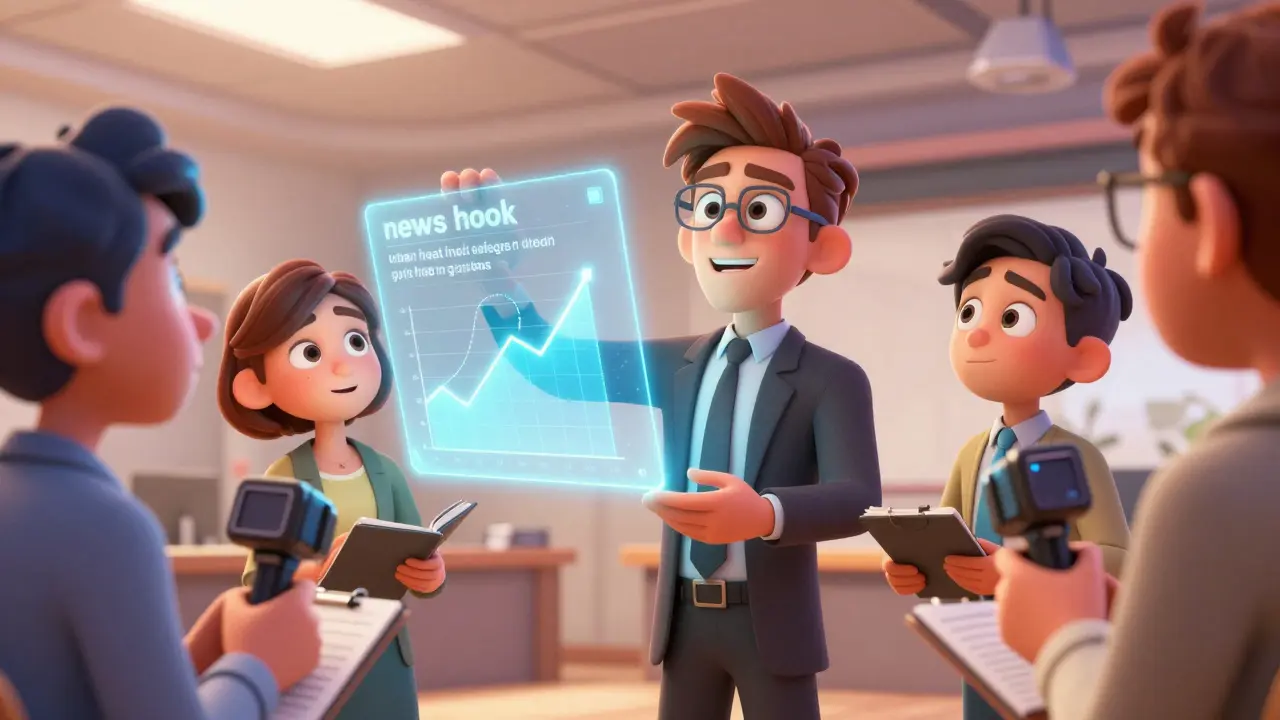
To get noticed, you need to establish your Thought Leadership. This means you aren't just a teacher; you are an authority. If you're teaching a course on sustainable gardening, you don't pitch "My Course on Tomatoes." You pitch "Why Urban Heat Islands are Killing Home Gardens and How to Pivot Your Soil Strategy for 2026." See the difference? One is a sales pitch; the other is a news hook.
You also need a "Press Kit." This is a simple page on your site that contains high-resolution headshots, a short and long bio, a list of topics you can speak on, and previous mentions in the media. If a journalist has to email you to ask for a photo, you've already created a friction point that might make them move to the next expert.
Finding Your Media Angle
You can't blast the same message to every outlet. You need a specific angle based on the publication's audience. Think of it as matching your course's unique value proposition to the reader's pain points.
- Trade Publications: These are deep-dives. If you have a course on Instructional Design, you target magazines read by HR managers or corporate trainers. The angle here is efficiency, ROI, and workforce productivity.
- Mainstream News: These outlets want the "big picture." They care about how your course topic affects the general public. If you teach financial literacy, the angle is "The Hidden Debt Trap Facing Gen Z in 2026."
- Niche Blogs and Podcasts: These are the most loyal communities. The angle here is personal, tactical, and highly specific. You're not looking for a mass audience; you're looking for the 5,000 people who are obsessed with your exact niche.
| Publication Type | Primary Goal | Best Angle | Expected Result |
|---|---|---|---|
| Industry Trade | Professional Authority | Case studies & data | High-ticket B2B leads |
| Lifestyle/General | Mass Awareness | Trending human-interest | High volume of traffic |
| Podcasts/Blogs | Community Trust | Tactical "how-to" | High conversion rates |
Mastering the Outreach Process
Cold emailing is where most people fail because they write like a brochure. A journalist's inbox is a war zone. To survive, your email must be short, personalized, and focused on the value you provide to *their* reader, not the value of your course.
Start by researching the writer. Don't just look at the publication; look at the specific journalist's last three articles. If they've been writing about the rise of Artificial Intelligence in education, don't send a generic pitch. Mention a specific point they made in their Tuesday column and explain how your data or experience adds a new layer to that conversation.
- The Subject Line: Keep it under 6 words. Avoid words like "Opportunity" or "Collaboration." Use something like "Data: Why 40% of remote workers are burnt out."
- The Hook: The first sentence should prove you know who they are. "I loved your piece on the shift toward asynchronous learning in the New York Times."
- The Value: Tell them exactly what you can provide. "I've analyzed 1,000 student outcomes over two years and found a pattern that contradicts the current industry standard."
- The Ask: Don't ask for a "partnership." Ask for a short interview or offer to provide a quote for an upcoming story.
Once you get a bite, don't pivot immediately to selling your course. If you do, you'll kill the trust you just built. Instead, provide the best possible insight. The journalist will often ask where people can find more of your work, or they'll link to your bio. That's where your course link lives. The PR gets them to the page; the quality of your content gets them to buy.
Leveraging Digital PR Tools
You don't need a PR firm to get results, but you do need a system. Manually searching Google News is slow. Instead, use tools that connect experts with journalists in real-time.
HARO (Help a Reporter Out) (now often evolved into Connectively) and Featured.com are the gold standards. These platforms send a daily list of journalists looking for sources. The trick here is speed. The first five people to respond with a high-quality, ready-to-print quote usually get the spot. If you wait four hours, you're too late.
Another powerful strategy is the "Expert Round-up." Reach out to other course creators or influencers in adjacent niches. If you teach copywriting, find someone who teaches web design. Offer to write a guest piece for their blog or appear on their show. This creates a web of Backlinks and cross-promotions that signal to search engines that you are a primary entity in your field.
Measuring the Impact of PR
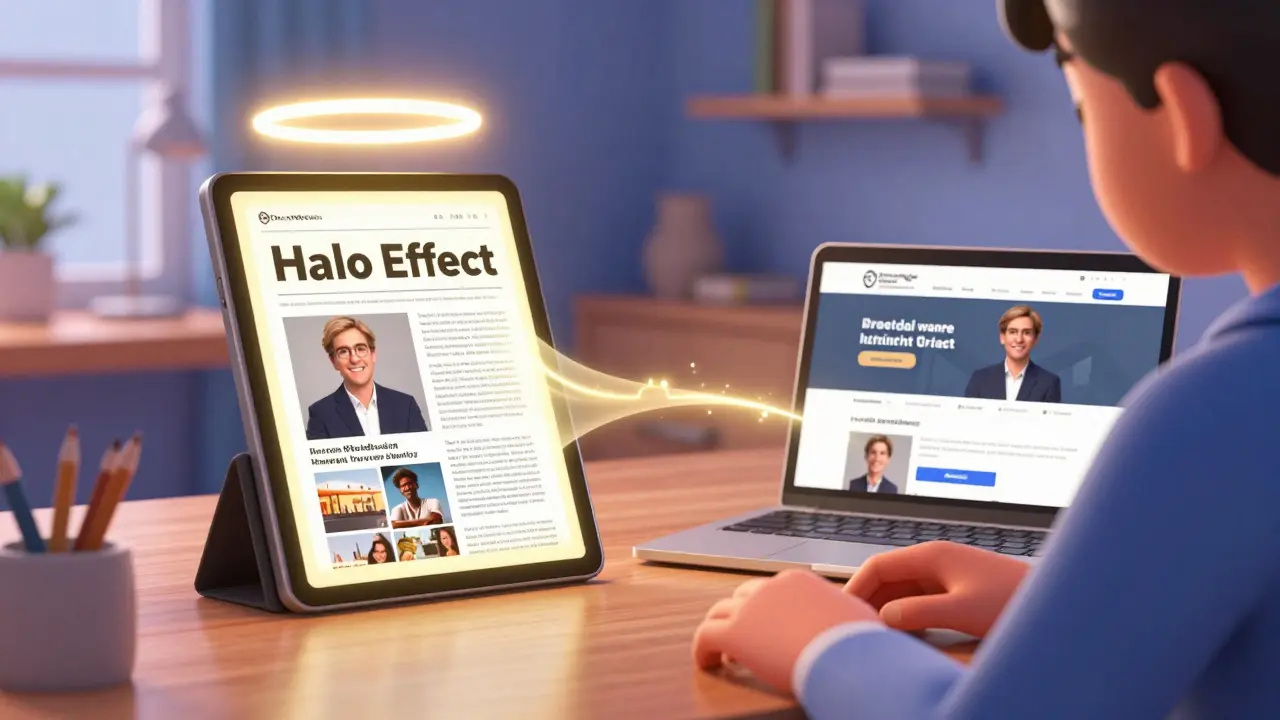
If you're looking at a direct sales dashboard, you might think PR is failing because the "Last-Click Attribution" is low. But PR works through the "Halo Effect." A student might see you mentioned in a major magazine, not click the link, but then search your name on Google two days later. When they land on your page, they don't need a 20-minute webinar to be convinced; they already trust you.
Track your branded search volume. If you see a spike in people searching for your name or your course name after a press mention, the PR is working. You should also monitor your conversion rate. Typically, traffic coming from a trusted press source converts at a significantly higher rate than cold traffic from a social media ad because the "trust gap" has already been closed.
Do I need to be a famous expert to get press coverage?
No. Journalists aren't looking for fame; they are looking for unique insights, fresh data, or a compelling human story. If you have a specific result you've achieved for your students or a contrarian take on a current trend, you are a viable source.
Should I pay for "sponsored" press releases?
Generally, no. Sponsored content is labeled as "Paid" or "Sponsored," and readers subconsciously ignore it. True PR is earned media. Paying for a press release on a wire service might help with some SEO, but it rarely drives meaningful course sales because it lacks the journalistic endorsement.
How often should I pitch journalists?
Consistency is key, but spamming is fatal. Aim for 3-5 highly personalized pitches per week rather than 50 generic ones. If you don't hear back after two follow-ups, move on. Keep a CRM to track who you've contacted so you don't pitch the same person every week.
What is the best way to handle a request for a quote?
Be concise. Provide your answer in short, punchy paragraphs that are easy to copy and paste. Avoid using jargon that the general public wouldn't understand. If you provide a 1,000-word essay, the journalist will have to edit it down, increasing the risk that your meaning gets lost or you get ignored entirely.
Can I use PR to launch a course that isn't finished yet?
Absolutely. In fact, this is the best time. Use the "Coming Soon" angle to build a waitlist. Pitch the problem your course solves as a current trend. By the time the course launches, you've already built the authority and the audience, making the actual launch much smoother.
Next Steps for Your Outreach Strategy
If you're just starting, don't try to hit the New York Times on day one. Start small. Reach out to niche podcasts where you can speak for 30 minutes and really demonstrate your value. This builds a portfolio of "as seen on" logos that you can use to impress larger publications later.
Build your press kit today. Even if it's just a simple Google Drive folder with a headshot and a PDF bio, having it ready means you can respond to a HARO query in five minutes. In the world of press outreach, the fastest, most helpful expert usually wins the headline.
Aafreen Khan
April 17, 2026 AT 13:35lol cute but this is so old school 💅 like why would i want a "seal of approval" from some corporate rag when i can just build a personal brand on tiktok? these "rules" are just for people who are scared of the grind 🙄✨
Sagar Malik
April 17, 2026 AT 14:36The epistemological fallacy here is glarring. You're lauding the "halo effect" while ignoring the systemic hegemony of mainstream media which is basically a psyop to keep the masses in a state of cognitive dissonance. Totaly blind to the algorithmic shadow-banning that happens when you try to pivot from niche to general. It's all just a simulation of authority designed by the technocratic elite to funnel us into predefined consumption patterns. 👁️
E Jones
April 17, 2026 AT 17:31Imagine trusting a "journalist" in 2026 when the entire media landscape is just a shimmering mirage of AI-generated slop and government-funded whispers designed to keep us compliant and docile while they harvest our biometric data from the very press kits we're told to build! It's a carnivorous cycle of vanity where we feed our identities into a digital meat-grinder just to get a hyperlink that leads to a dead-end landing page in a dystopian wasteland of capitalism!
Rahul U.
April 19, 2026 AT 05:38The advice regarding the Press Kit is very practical. Reducing friction for the journalist is a respectful way to handle the interaction. 📈🙏
Pamela Watson
April 21, 2026 AT 05:31I know a girl who tried this and she failed because she didn't use a professional email address! You have to use a .com or they just throw it away. Trust me, I've seen it happen many times :)
Christina Kooiman
April 22, 2026 AT 06:53It is absolutely exhausting that I have to point out the blatant lack of consistency in the punctuation throughout this entire discourse, and while the advice is fine, the sheer audacity of suggesting that one should simply "reach out" without a comprehensive understanding of the syntactical nuances required to impress a high-level editor is simply appalling and frankly a tragedy to the English language!
Stephanie Serblowski
April 23, 2026 AT 02:34Omg, such a synergistic approach to brand equity! 🌈 I love how we're leveraging these paradigm shifts to optimize our outreach funnels. It's just so inspiring to see everyone trying to "hack" their way into a legacy media spot while the world is literally burning. Truly a masterpiece of capitalism! ;-)
Renea Maxima
April 23, 2026 AT 17:18The desire for validation from a third party is essentially a confession of one's own internal void. 🌀 Why seek a seal of approval from an institution that is inherently transient? :)
michael T
April 24, 2026 AT 07:55This whole guide feels like a cold, sterile room where my dreams go to die in a pile of "press kits" and "subject lines." I'm just drowning in the sheer loneliness of trying to be an entrepreneur in a world that only values a punchy quote over the raw, bleeding agony of the creative process. It's a kaleidoscopic nightmare of professionalization!
Seraphina Nero
April 26, 2026 AT 06:47That part about the halo effect is so true. I've noticed that too.
Megan Ellaby
April 27, 2026 AT 22:05I love the idea of the expert round-up! Just wondering if it's better to do a guest post or a joint webinar first? I'm tryin to build my list for a new course on pottery. 🎨
Barbara & Greg
April 29, 2026 AT 11:42There is a profound moral failing in treating the dissemination of knowledge as a mere "angle" for press coverage. One should prioritize the intrinsic value of education over the extrinsic validation of a media mention.
selma souza
April 30, 2026 AT 17:09The phrasing in the section regarding HARO is imprecise. One does not "get a bite," as if the journalist were a fish. Such colloquialisms are beneath a professional guide.
Frank Piccolo
May 2, 2026 AT 11:38This is typical fluff. I could write a better guide in ten minutes while half-asleep. American PR is a joke anyway, just a bunch of polished lies for people who can't actually build a product that works without a fancy logo. Garbage.