Recognition Programs and Student Spotlights in Online Courses: A Practical Guide
 Aug, 20 2026
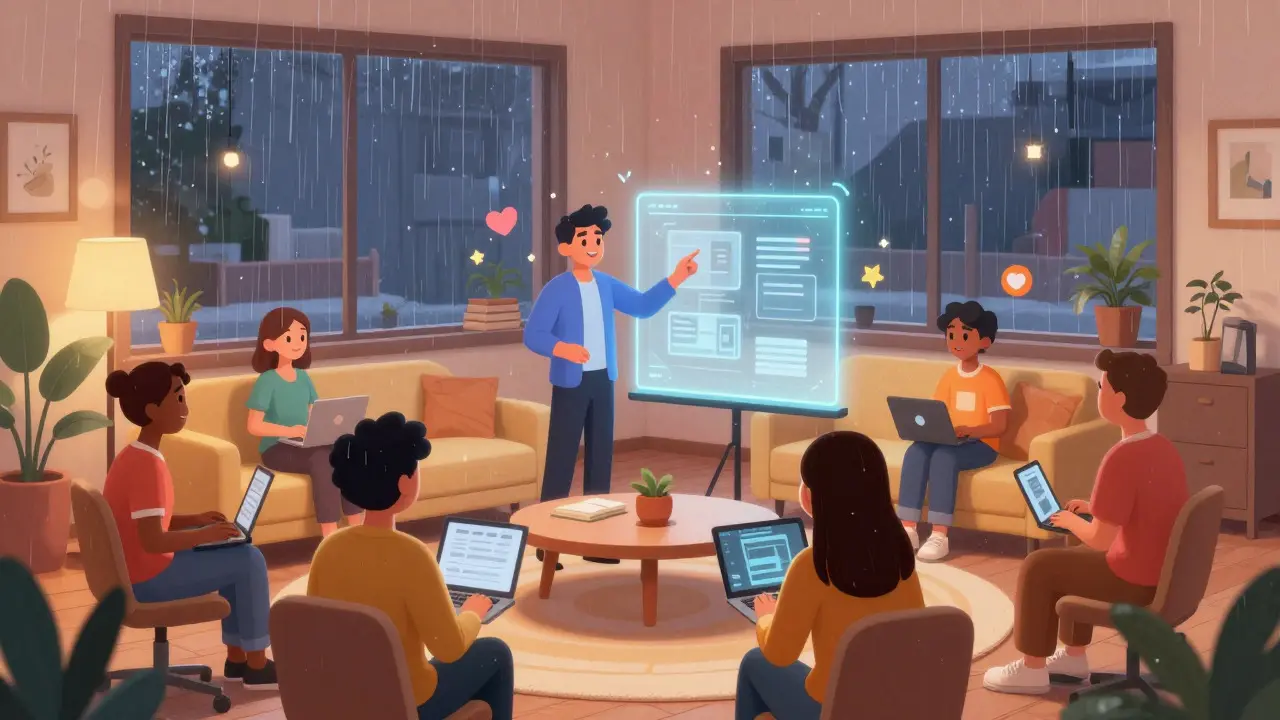
Imagine logging into your online course on a rainy Tuesday afternoon. You’re not alone; millions of learners do this every week. But here’s the problem: without feedback or acknowledgment, that motivation fades fast. In traditional classrooms, a teacher might tap a shoulder or say "nice job" after a presentation. Online, that human touch is often missing. This is where recognition programs and student spotlights come in. They aren’t just nice-to-have extras; they are critical tools for keeping students engaged, reducing dropout rates, and building a sense of community in digital spaces.
Why Recognition Matters in Digital Learning
Human beings are wired for social approval. When we achieve something, we want it seen. In an LMS (Learning Management System), silence can feel like invisibility. Research from the Association for Learning Technology suggests that courses with active peer and instructor recognition see up to a 30% increase in completion rates. Why? Because recognition validates effort. It tells the learner, "You are here, you are doing well, and it matters."
However, not all recognition works the same way. Generic praise like "Good job!" posted in a forum thread gets ignored. Specific, timely, and public acknowledgment creates a ripple effect. It encourages others to participate and gives the recipient a tangible reason to stay motivated. For instructors, this reduces the burden of constant one-on-one checking. Instead of chasing every student, you highlight the best examples, and the rest follow suit.
The Core Components of Effective Recognition
To build a system that actually works, you need more than just a "thumbs up" button. You need a structured approach. Here are the three pillars of effective student engagement through recognition:
- Timeliness: Feedback within 48 hours retains 70% more impact than feedback given after a week. In async courses, this means setting up automated triggers or regular review schedules.
- Specificity: Mention exactly what was done well. Did the student use a specific data visualization tool? Did they ask a question that clarified a complex concept? Be precise.
- Visibility: Private messages help, but public visibility drives culture. If only the instructor knows a student did great work, the broader class misses out on a role model.
Student Spotlights: Turning Learners into Leaders
A student spotlight is a curated feature where you highlight one or two students per week or month. This isn’t about picking favorites; it’s about showcasing diverse types of success. One month, you might spotlight a student who aced the final exam. The next, you might highlight someone who created a helpful study guide for their peers.
How do you execute this? Most modern platforms allow you to create a dedicated "Community Board" or "Hall of Fame" page. You can embed a short video interview, a written testimonial, or even a screenshot of their best project. The key is variety. Rotate the criteria so that analytical thinkers, creative writers, and technical wizards all get their moment in the sun. This ensures that every type of learner feels seen eventually.
| Method | Effort Level | Impact on Engagement | Best For |
|---|---|---|---|
| Digital Badges | Low (Automated) | Medium | Certification tracks, skill mastery |
| Instructor Comments | High (Manual) | High | Small cohorts, personalized feedback |
| Peer Reviews | Medium (Facilitated) | High | Collaborative projects, critical thinking |
| Public Spotlights | Medium (Curated) | Very High | Building community, long-term retention |
Leveraging Gamification and Digital Badges
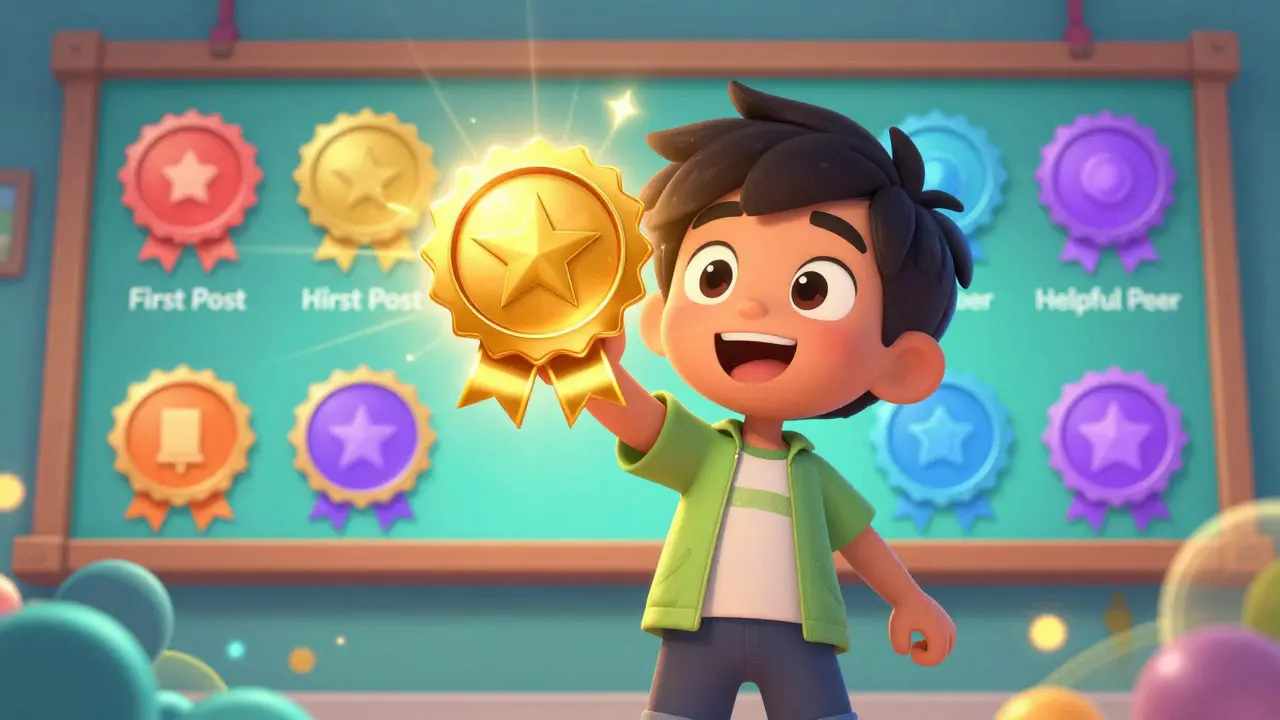
While spotlights are personal, digital badges are scalable. Think of badges as micro-certifications. They don’t have to be formal credentials. You can create simple icons for "First Discussion Post," "Helpful Peer," or "Perfect Attendance." These small wins accumulate over time, creating a visual representation of progress.
The psychology here is based on variable rewards. Just like a slot machine, you don’t know exactly when you’ll earn the next badge, which keeps the dopamine flowing. However, avoid making them too easy to get. If everyone has every badge by Week 2, they lose value. Tie them to meaningful milestones. For example, a "Data Analyst" badge could require completing three specific assignments with a score above 90%. This adds weight to the achievement.
Implementing Spotlights Without Burning Out
Instructors often worry about the time commitment. How do you keep up with spotlights in a class of 50? Automation helps. Use your LMS’s analytics to identify top performers automatically. Look at assignment submission times, discussion board activity, and quiz scores. Create a shortlist of five potential candidates each week. Then, spend just 15 minutes reaching out to one or two of them for a quick quote or permission to share their work.
Also, consider peer nomination. Ask students to nominate a classmate who helped them understand a difficult topic. This shifts some of the labor to the community and fosters genuine appreciation among peers. It’s often more powerful than instructor-led praise because it comes from equals.
Common Pitfalls to Avoid
Even with good intentions, recognition programs can backfire. Here are the traps to watch out for:
- Favoritism Bias: If the same three students always get spotlighted, others will disengage. Keep a log to ensure rotation.
- Over-Commercialization: Don’t make it feel like a sales pitch. The focus should be on learning, not selling the course to new prospects.
- Lack of Privacy Options: Some students prefer low-key recognition. Offer a choice between public spotlight and private email praise.
- Inconsistent Timing: If you do spotlights in Month 1 and then stop, the habit dies. Set a recurring calendar event to remind yourself.
Measuring Success: Metrics That Matter
How do you know if your recognition program is working? Don’t just look at happiness surveys. Track behavioral metrics. Monitor the number of voluntary posts in discussion forums before and after implementing spotlights. Watch the drop-off rate between modules. If students who received recognition complete the next module at a higher rate than those who didn’t, you’ve found a causal link.
Additionally, track the "Share Rate." Do students post their badges or spotlight features on LinkedIn or Twitter? This organic marketing is invaluable. A single shared spotlight can bring in five new enrollments. Measure this by using unique tracking links for each spotlight post.
Future Trends in Digital Recognition
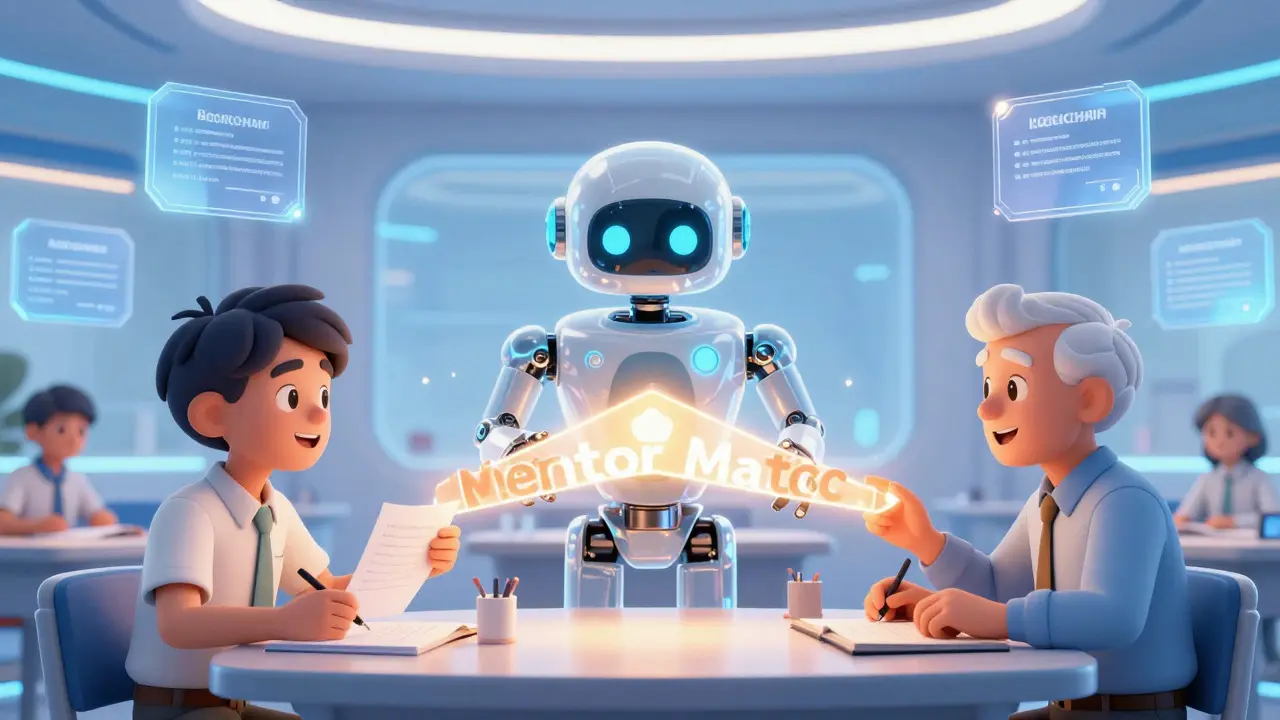
As we move deeper into 2026, AI is changing the game. Adaptive learning systems can now detect when a student is struggling and suggest a "Mentor Match" with a high-performing peer. This turns recognition into a support mechanism. Imagine an AI flagging a student who just solved a complex coding problem and automatically tagging a senior developer in the forum to acknowledge it. This real-time, algorithmic recognition scales infinitely.
Furthermore, blockchain-based credentials are starting to appear. These immutable records of achievement can be verified by employers. While still niche, they add a layer of professional value to student spotlights, turning classroom praise into career capital.
Getting Started: Your Action Plan
You don’t need a massive budget to start. Pick one small change for your next cohort. Maybe it’s simply adding a "Shout-Out" section to your weekly newsletter. Or maybe it’s creating one custom badge for your first major milestone. Start small, gather feedback, and iterate. The goal isn’t perfection; it’s consistency. When students feel seen, they stay. And when they stay, they learn better.
What is the best way to recognize students in large online classes?
For large classes, automate recognition using LMS analytics to trigger digital badges for consistent participation. Combine this with monthly peer-nominated spotlights to maintain a personal touch without overwhelming the instructor.
Do digital badges actually improve learning outcomes?
Yes, primarily by increasing completion rates and persistence. While they may not directly boost test scores, they reduce dropout rates by providing frequent positive reinforcement, which keeps students engaged long enough to master the material.
How often should I post student spotlights?
Weekly is ideal for smaller cohorts to maintain momentum. For larger groups, bi-weekly or monthly is sufficient. Consistency is more important than frequency; missing a week breaks the habit loop.
Can recognition programs cause competition instead of collaboration?
It can happen if the criteria are purely academic (e.g., highest grade). To prevent this, include collaborative criteria in your recognition standards, such as "Most Helpful Peer" or "Best Team Contribution," to reward cooperation alongside individual excellence.
What tools are best for managing student spotlights?
Most major LMS platforms like Canvas, Moodle, and Blackboard have built-in announcement and community board features. For more visual appeal, you can integrate third-party tools like Flipgrid for video testimonials or Canva for creating polished spotlight graphics.
Mark Harvey
August 21, 2026 AT 03:42love this stuff honestly. i run a few cohorts and the biggest drop off is always week 2 or 3 when the novelty wears off. adding a simple shout out section to the weekly email actually kept our retention up last term. it feels low effort but students really notice when their name pops up in a public space. it’s not about the badge itself it’s about feeling seen by the group.
Art HND
August 21, 2026 AT 21:28it’s just fluff. real learning happens in silence. if you need a spotlight to keep going your foundation is weak anyway.
Quintin Franzese
August 23, 2026 AT 20:30yeah sure. because nothing says 'deep intrinsic motivation' like a digital sticker that expires in six months. oh wait, it doesn’t expire? great. now we have permanent digital clutter on our profiles. thanks for the insight.
Susan Cole
August 25, 2026 AT 10:09i think there’s a middle ground though. i’m very private about my work so public spotlights feel a bit much for me. a nice private note from the instructor saying exactly what I did well was enough to keep me going. not everyone wants to be on stage.
Tamara Miller
August 25, 2026 AT 11:52Actually, Susan; you are correct. The article even mentions privacy options. It is fascinating how many people read only half of a text and then form an opinion. But yes; private praise is often more effective for introverts. One must respect the boundaries of the learner. Otherwise; it becomes performative.
Savara Gunn
August 27, 2026 AT 04:55agreed with susan here. i teach part time and find that a quick personal email goes further than a forum post for most of my quieter students. they appreciate the thought without the pressure of being put on display.
Anthony Miller
August 27, 2026 AT 14:52You all are missing the point entirely. This is not about comfort. It is about accountability. If you do not want to be recognized it means you are hiding something. A true scholar embraces scrutiny. The system works best when it forces visibility upon the passive masses who would otherwise fade into the background of the digital void.
michelle veluz
August 27, 2026 AT 18:09OMG! Wait until you hear what the AI is really doing! They are tracking every single click to build a profile on us! It’s not recognition; it’s surveillance capitalism! Just watch! The badges are just a distraction while they sell our data to the highest bidder! Wake up people!
Jacob Baby Official
August 28, 2026 AT 12:21Let’s look at the numbers, shall we? The 30% completion rate increase cited is likely due to selection bias in the sample size. Furthermore, the cost of implementing these systems often outweighs the marginal gain in engagement. It is a vanity metric dressed up as pedagogy. We are optimizing for dopamine, not knowledge transfer. A tragic waste of instructional design resources.
Chris Neal
August 29, 2026 AT 02:46not necessarily. i’ve seen small cohorts where the social glue of these programs prevented three students from dropping out mid-term. the math worked out for the institution because the refund policy was brutal. sometimes the soft skills save the bottom line. don’t dismiss the human element just because it isn’t quantifiable in a spreadsheet immediately.
Vishnu Vardhan Reddy M S
August 30, 2026 AT 09:33haha classic contrarian take. but seriously, i ran a peer-nomination drive in my last course and it was chaos in the best way. students were genuinely surprised when their classmates picked them. it broke the ice better than any icebreaker activity i’ve ever used. worth the extra 10 minutes of moderation.
Kyle Ware
August 31, 2026 AT 00:01good point vishnu. the key is keeping the criteria broad. if you only nominate for grades you get the same names. i rotate between 'best question asked', 'most helpful reply', and 'creative solution'. keeps it fresh and inclusive.