Sports Nutrition Course: Master Meal Planning for Peak Performance
 Apr, 9 2026
What You'll Actually Learn in a Performance Program
If you sign up for a serious course, you aren't just getting a list of "superfoods." You're learning the biological mechanics of how the body uses energy. You'll start with the foundation: Macronutrients. You'll discover that carbohydrates aren't the enemy; they are the primary fuel for high-intensity effort. You'll learn why the brain relies on glucose and how Glycogen-the stored form of glucose in your muscles and liver-determines how long you can push before you crash. Beyond the basics, a professional course dives into the specifics of protein. It's not just about eating a chicken breast after a workout. You'll study the Leucine Threshold, which is the specific amount of an amino acid required to trigger muscle protein synthesis. This means you'll learn that eating 100g of protein in one sitting is far less effective than spacing 30g doses every three to four hours to keep your body in an anabolic state.The Art of Strategic Meal Planning
Meal planning for a desk job is about convenience. Meal planning for an athlete is about precision. A core part of any performance curriculum is learning how to build a periodic diet. This means your eating habits change based on your training cycle. You don't eat the same way during a recovery week as you do during a peak competition phase. Consider the "Periodization" approach. During a heavy lifting phase, your calorie needs spike, and your focus shifts toward protein and minerals like magnesium to support muscle contraction and nerve function. During a tapering phase before a big race, you'll learn the science of Carbo-loading. This isn't just eating a giant bowl of pasta the night before; it's a calculated increase in carbohydrate intake over 48 to 72 hours to saturate muscle glycogen stores without causing digestive distress.| Phase | Primary Goal | Nutrient Priority | Example Focus |
|---|---|---|---|
| Off-Season | Hypertrophy/Base | High Protein / Moderate Carbs | Lean muscle gain and structural repair |
| Pre-Competition | Peak Power/Speed | High Carbs / Targeted Protein | Maximized glycogen for explosive energy |
| Competition Day | Execution | Rapid-digesting Carbs | Maintaining blood glucose levels |
| Recovery | System Reset | Anti-inflammatory Fats / Protein | Reducing oxidative stress and soreness |
Timing Your Nutrition for Maximum Effect
When you eat is almost as important as what you eat. This is where the concept of the "Nutrient Window" comes into play. While the idea of a strict 30-minute post-workout window is partly a myth, the general principle of Nutrient Timing remains critical. Pre-workout nutrition is all about stability. You want a mix of complex carbohydrates and a small amount of protein two to three hours before training. This prevents blood sugar spikes and crashes. However, once you're in the "red zone" of a workout, the focus shifts to Intra-workout Nutrition. For efforts lasting longer than 90 minutes, consuming 30-60 grams of fast-acting carbohydrates per hour-like maltodextrin or fructose blends-can keep your brain sharp and your legs moving when they should be quitting. Post-workout, the goal is to stop muscle breakdown. The classic 3:1 or 4:1 ratio of carbohydrates to protein is a gold standard in sports dietetics. The carbs spike insulin, which helps shuttle amino acids into the exhausted muscle cells, accelerating the repair process. If you skip this, you aren't just slowing down your gains; you're extending your recovery time and increasing the risk of injury.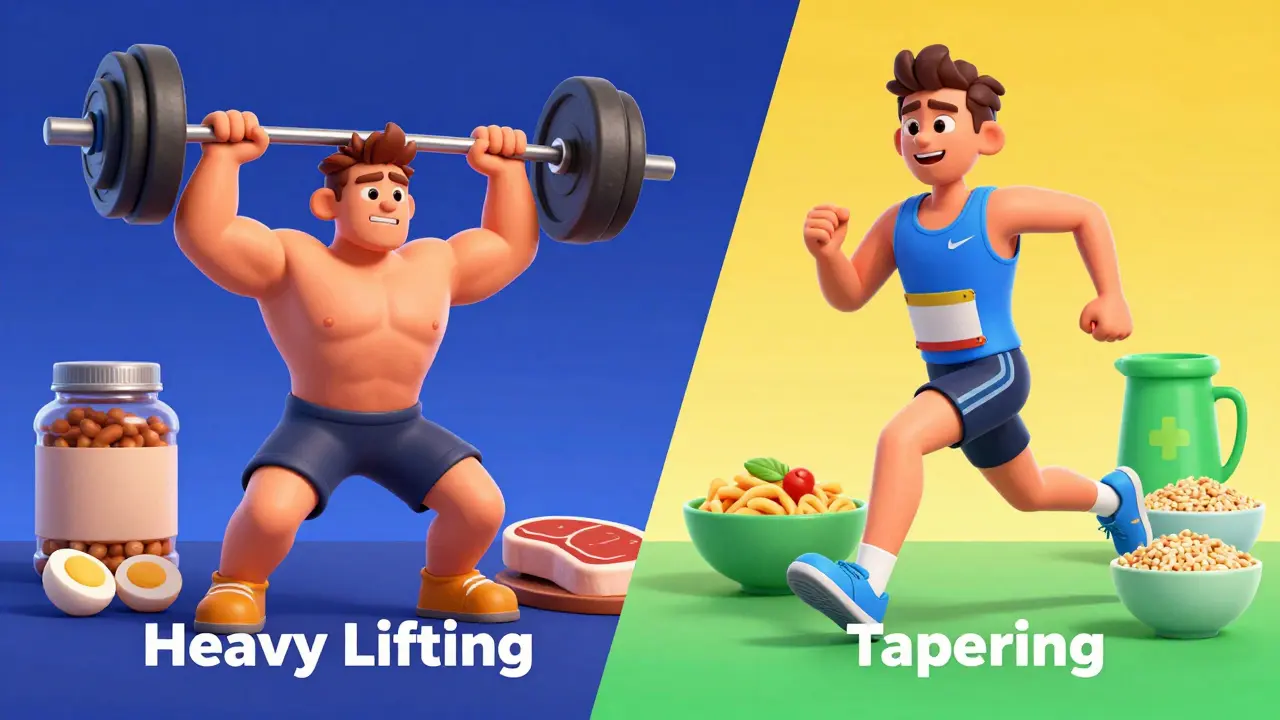
Hydration and Electrolyte Balance
Water isn't enough. If you drink gallons of plain water during a heavy sweat session, you risk Hyponatremia, where your blood sodium levels drop too low, which can be dangerous. A comprehensive course teaches you how to calculate your sweat rate. By weighing yourself before and after a workout, you can determine exactly how many milliliters of fluid you lose per hour. Then comes the Electrolyte puzzle. Sodium is the big player here-it maintains fluid balance and prevents cramping. But potassium and magnesium are just as vital for muscle firing. You'll learn how to create a custom hydration strategy, adjusting salt intake based on whether you're a "salty sweater" (white streaks on your gym clothes) or not. This prevents the dreaded mid-game cramp and keeps your cognitive function high when the pressure is on.The Role of Supplements: Science vs. Marketing
The supplement industry is a multi-billion dollar machine built on vague promises. A science-based course strips away the marketing and looks at the evidence. You'll learn about the IOC Consensus Statement on dietary supplements, which categorizes them by their level of evidence. For example, Creatine Monohydrate is one of the most researched supplements in history. It doesn't just build muscle; it increases the availability of ATP (adenosine triphosphate), the basic energy currency of every cell in your body. You'll learn the difference between a loading phase and a maintenance phase and why the cheapest version is usually the best. Then there's Beta-Alanine, which helps buffer the lactic acid buildup in your muscles, allowing you to push through that burning sensation in the final reps. You'll learn that supplements are the "cherry on top." If your sleep and base calories are wrong, no amount of expensive powder will fix your performance.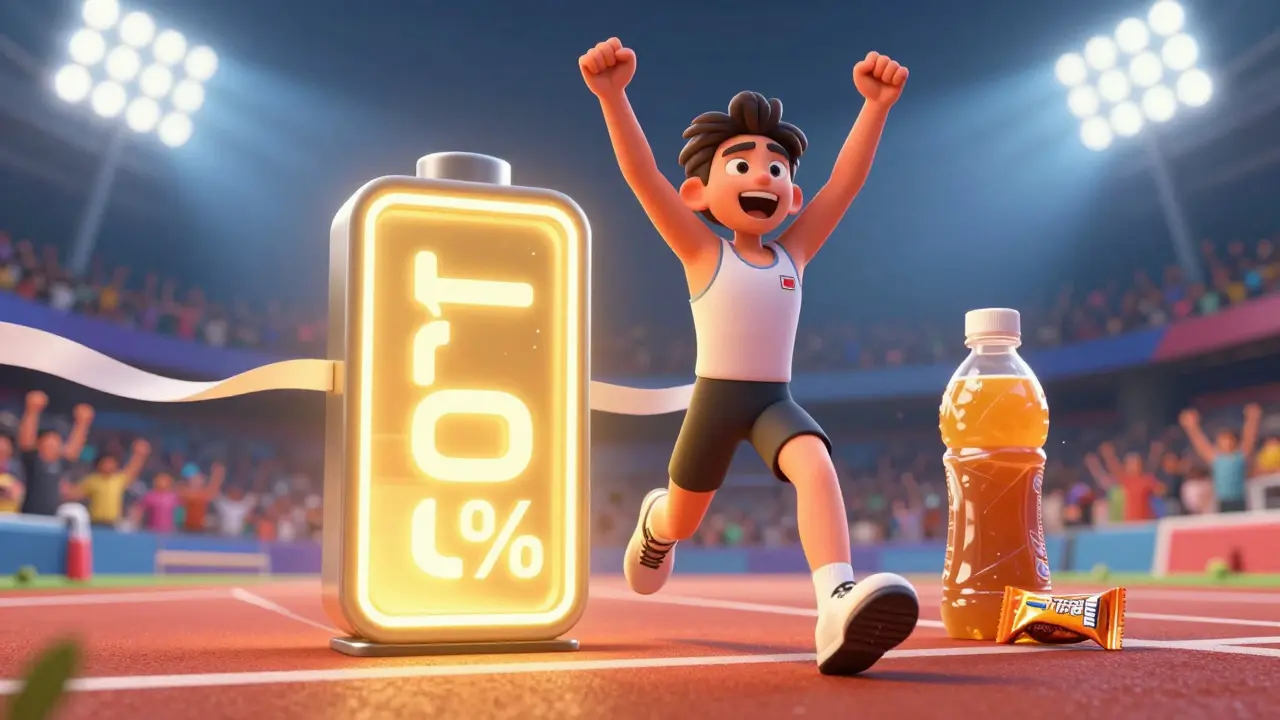
Common Pitfalls in Athletic Eating
One of the biggest mistakes athletes make is the "clean eating trap." They avoid all processed foods, including simple sugars, even when their body desperately needs them. During a high-intensity interval session, your body cannot digest a bowl of quinoa and kale fast enough to fuel the effort. In those moments, a gummy bear or a specialized sports gel is actually the healthier choice because it provides immediate glucose to the working muscles. Another error is under-fueling during weight loss phases. Many athletes try to lean out while maintaining high training volumes, leading to RED-S (Relative Energy Deficiency in Sport). This condition doesn't just stall progress; it leads to hormonal crashes, bone density loss, and chronic fatigue. A professional course teaches you how to find the "sweet spot"-reducing body fat without compromising the physiological systems that keep you athletic.Do I need a degree to take a sports nutrition course?
Not necessarily. There are different levels of certification. Some are designed for professional dietitians (RDs) and require a clinical background, while others are "performance certifications" meant for coaches, personal trainers, and athletes. Always check if the course is accredited by a recognized body like the ISSN or NASM.
Can a nutrition course help with injury prevention?
Yes, significantly. By learning about collagen synthesis, omega-3 fatty acids for inflammation, and the importance of calcium and Vitamin D for bone health, you can build a body that is more resilient. Proper fueling also prevents the fatigue that leads to poor form and acute injuries.
How long does it take to see results from a new meal plan?
Immediate changes often appear in energy levels and digestion-sometimes within a few days. However, physiological changes like muscle growth or improved endurance typically take 4 to 8 weeks of consistent adherence to a periodized plan.
Is carbo-loading necessary for all sports?
No. It is primarily for endurance events lasting longer than 90 minutes. For short, explosive sports like sprinting or weightlifting, a standard balanced diet is usually sufficient, as the energy demands are met by existing phosphocreatine and glycogen stores.
What is the best protein source for athletes?
There is no single "best" source, but high-leucine proteins like whey, eggs, and soy are highly effective for muscle repair. The key is total daily protein intake and the timing of those doses across the day.
Nathaniel Petrovick
April 9, 2026 AT 15:08totally agree on the nutrient timing stuff. i started hitting my macros and actually timing my carbs around my lifting sessions and the pump is just way better
Kayla Ellsworth
April 10, 2026 AT 12:35Imagine believing that a structured course is the secret to not hitting a wall. Some of us just have a biological predisposition to fatigue regardless of how many gummy bears we eat during a race. It is all just a way to sell certifications to people who enjoy spreadsheets more than actual running.
Jason Townsend
April 10, 2026 AT 19:08creatine is just a front for something else man you ever notice how they push the cheapest version because they want you hooked on the baseline before they introduce the real chemicals they use to track your biometrics through your sweat rate calculation
Angelina Jefary
April 11, 2026 AT 18:08The lack of proper capitalization in the comments here is appalling. Furthermore, the notion that these courses are 'science-based' is laughable when the supplement industry is literally funded by the people writing the textbooks. It is a closed loop of corporate greed.
Soham Dhruv
April 12, 2026 AT 23:47lets just keep it positive guys... just try the protein spacing and see if it works for u
Destiny Brumbaugh
April 13, 2026 AT 19:17USA MADE PROTEIN IS THE ONLY WAY TO GO!! dont let those foreign imports mess with your gains!! god bless the gym!!
Sara Escanciano
April 15, 2026 AT 13:53It is frankly disgusting how people prioritize 'peak performance' over the ethical sourcing of their proteins. Most of these high-leucine sources come from factory farms that are a moral wasteland. We should be talking about the ethics of the plate, not the timing of the dose.
Antwan Holder
April 17, 2026 AT 01:37Is our thirst for ATP merely a metaphor for our existential longing for a purpose? We fuel our bodies to push through a wall, but what is the wall? The wall is the void that consumes us all as we sprint toward an inevitable end. I feel the lactic acid in my soul.
Jennifer Kaiser
April 18, 2026 AT 19:32We have to realize that performance is not just about the fuel, but the mental state we bring to the table. If you are fueling your body but ignoring your mind, you are just a well-oiled machine with no driver. Balance is the only real way to avoid RED-S and burnout.
Elmer Burgos
April 19, 2026 AT 02:07i think everyone has a point here and its cool to see different perspectives on eating
TIARA SUKMA UTAMA
April 19, 2026 AT 21:34I tried the gummy bears. I felt sick. Do not do it.
Jasmine Oey
April 21, 2026 AT 09:08Omg, it is just so tragic that most people dont understand the nuances of periodization!! Like, truly, how do you even function without a calculated increase in carbohydrates? It is practically a sin to eat the same thing every day when your body is begging for a system reset. I simply cannot imagine the horror of a non-optimized diet!
Marissa Martin
April 22, 2026 AT 21:36It is quite sad that we live in a society where people feel they need a certification to know how to eat. I suppose I will just quietly follow the guidelines and hope for the best.
James Winter
April 24, 2026 AT 05:35Overrated. Just eat meat. Canada knows how to hunt. No need for courses.
Aimee Quenneville
April 26, 2026 AT 00:13oh wow... look at all the experts in the thread... it's just so inspiring how everyone thinks they know the science of a gummy bear... truly a peak performance discussion...!!!
Cynthia Lamont
April 27, 2026 AT 11:52The logic here is flawed. You cannot possibly ignore the correlation between the leucine threshold and the quality of the protein source. The post simplifies the biochemistry to a point where it's almost insulting to anyone with a basic understanding of amino acids. It is an absolute disaster of an explanation!
Kirk Doherty
April 28, 2026 AT 04:19just drinking water for me
Dmitriy Fedoseff
April 28, 2026 AT 10:52The obsession with 'optimization' is a symptom of a decadent society. We treat our bodies like industrial engines to be tuned rather than organic vessels to be respected. This reductionist approach to nutrition ignores the cultural and spiritual connection we have with food. It is an aggressive erasure of the human experience in favor of a spreadsheet.
Meghan O'Connor
April 28, 2026 AT 22:07The phrase "cherry on top" is a cliché and entirely unnecessary. Furthermore, the author's insistence that a food diary is "more valuable than any textbook" is a gross oversimplification of dietary assessment. It is a lazy take on a complex scientific process. I find the entire premise of these "performance certifications" to be an intellectual scam for the gullible.
Morgan ODonnell
April 30, 2026 AT 08:56just sounds like a lot of work but the hydration part makes sense. i get cramps too so maybe the salt thing is real