Academic Integrity: What It Really Means for Online Learners and Educators
When we talk about academic integrity, the ethical commitment to honesty, fairness, and responsibility in learning and assessment. Also known as educational ethics, it's what separates real skill from fake credentials. In online courses, where there’s no proctor watching over your shoulder, it’s not just about following rules—it’s about building trust in your own abilities and the value of what you earn.
Without academic integrity, certifications mean nothing. If someone cheats on a trading plan course, they’ll crash real accounts later. If a student copies a communication skills assignment, they’ll fail in a real team meeting. This isn’t hypothetical. In 2023, over 27% of reported course violations involved stolen content or fake submissions—many from learners who thought no one would notice. But platforms like Canvas and Moodle now track patterns: copy-paste behavior, sudden skill gaps, and inconsistent writing styles. Tools like SIEM logging and learning analytics don’t just catch cheaters—they protect honest students by keeping the value of certificates intact.
It’s not just about avoiding plagiarism. plagiarism, using someone else’s work without credit. Also known as content theft, it’s a symptom of a deeper issue: fear of failure. Many learners copy because they don’t know how to start, or they think the material is too hard. But good courses don’t punish struggle—they guide it. That’s why courses on disability accommodation, legal and practical support for learners with barriers to traditional assessment. Also known as inclusive education, it ensures everyone has a fair shot at success without compromising standards. And why DMCA takedown, a legal process to remove stolen course content. Also known as copyright enforcement, it protects instructors who put real work into their lessons. When you respect academic integrity, you’re not just obeying rules—you’re investing in your own future. The trader who builds a plan from scratch remembers it. The investor who understands tokenomics because they studied it won’t get wiped out by a bad trade. The professional who writes their own scripts can speak confidently in a meeting.
What you’ll find below isn’t a list of rules. It’s a collection of real-world guides from educators and course creators who’ve seen what happens when integrity breaks down—and how to fix it. From legal agreements that protect global training programs, to accessibility policies that make exams fair, to how to design assignments that can’t be easily copied—you’ll see how academic integrity is built, not just enforced. These aren’t theory pieces. They’re tools. And they’re all designed to help you learn, teach, and certify with real credibility.
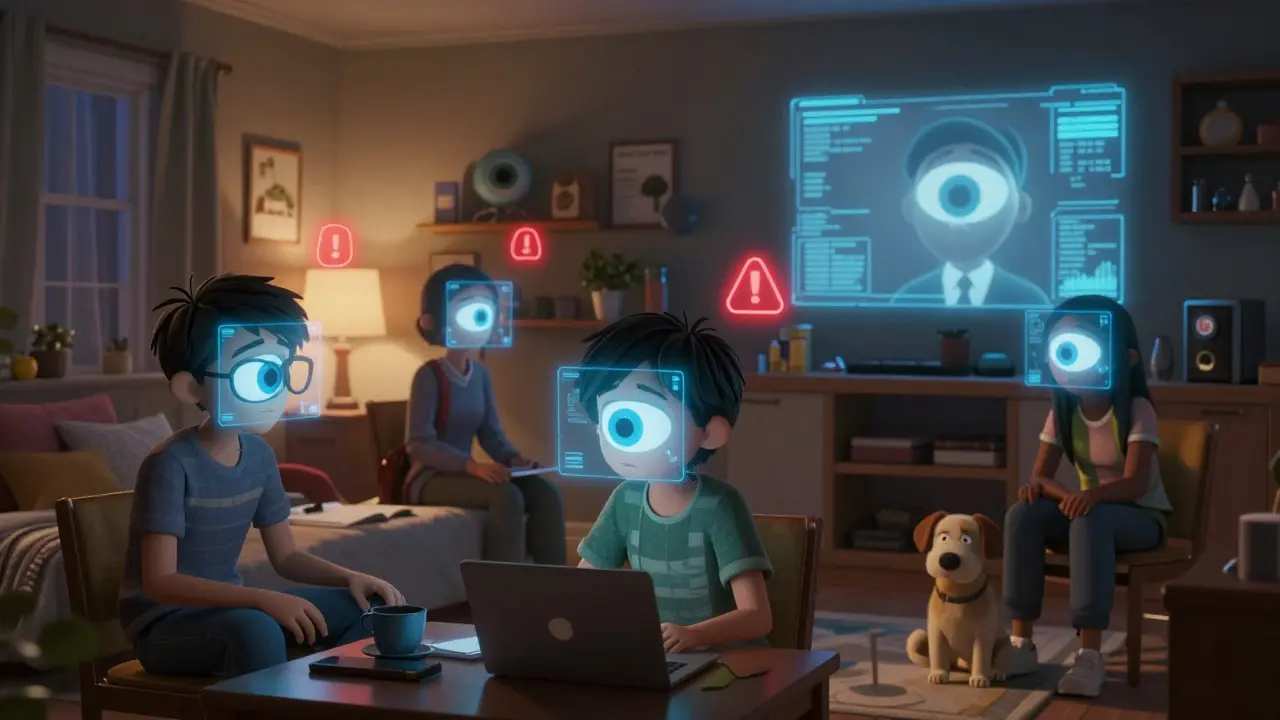
Remote Proctoring Policies: Privacy, Security, and Fairness in Online Exams
Remote proctoring tools claim to ensure academic integrity, but they often invade privacy, misidentify students, and fail to stop real cheating. Learn how schools can build fairer, more secure online exams without surveillance.
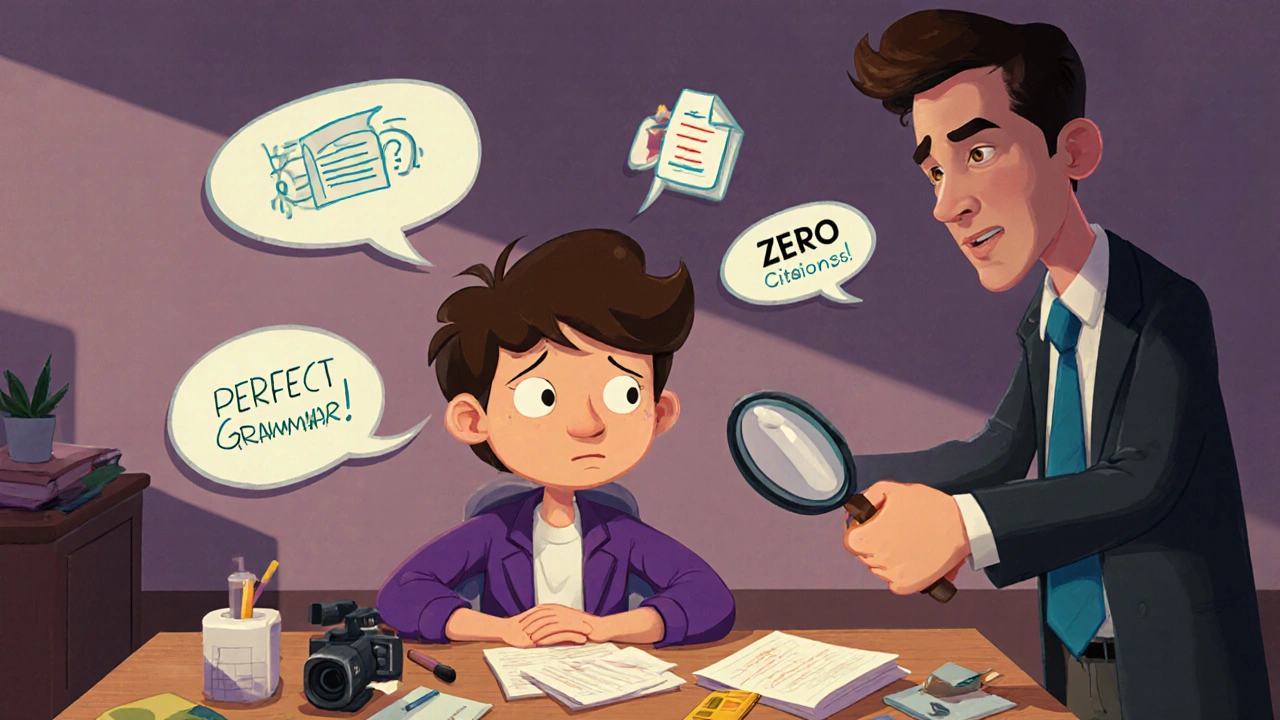
Guardrails for Plagiarism and AI-Assisted Cheating Prevention in Modern Classrooms
AI is changing how students complete assignments - and traditional plagiarism tools can't keep up. Learn practical, proven guardrails to prevent AI-assisted cheating while fostering genuine learning.