Inclusive Learning: How to Design Courses That Work for Everyone
When you build a course, inclusive learning, the practice of designing education that removes barriers and welcomes all learners regardless of ability, background, or learning style. Also known as universal design for learning, it's not about lowering standards—it's about removing the obstacles that keep people from reaching them. If your course only works for one kind of learner, you're leaving others behind. And in online education, that’s not just unfair—it’s costly. Studies show that courses designed with inclusion in mind see up to 40% higher completion rates because students feel seen, supported, and capable.
Inclusive learning isn’t a single feature. It’s a mix of small, smart choices: disability accommodation, legal and practical adjustments like captioning, screen-reader compatibility, and extended time for assessments that meet ADA and Section 504 rules. It’s adaptive learning, systems that adjust content delivery based on how a student responds—offering more examples, simpler language, or alternative formats when needed. And it’s personalized education, giving learners control over pace, format, and even how they show what they know. These aren’t luxury upgrades. They’re the baseline for any course that wants real impact.
You’ll find posts here that show exactly how this works in practice. From setting up virtual office hours that actually reach struggling students, to using simple recognition systems that keep people motivated, to building assignment rubrics that make grading fair and clear—every example here is pulled from real courses that improved outcomes by focusing on people, not just content. You’ll see how Canva training becomes accessible with video captions and text alternatives, how crypto backtesting lessons are broken into micro-steps for learners with ADHD, and how onboarding apprentices uses mobile-friendly tools so no one gets left out because they don’t have a desktop. This isn’t theory. It’s what’s already working in classrooms and online programs right now.
What you’re about to read isn’t a checklist of compliance. It’s a toolkit for building courses that actually stick—because they work for the student sitting in front of the screen, not just the one who fits the mold.
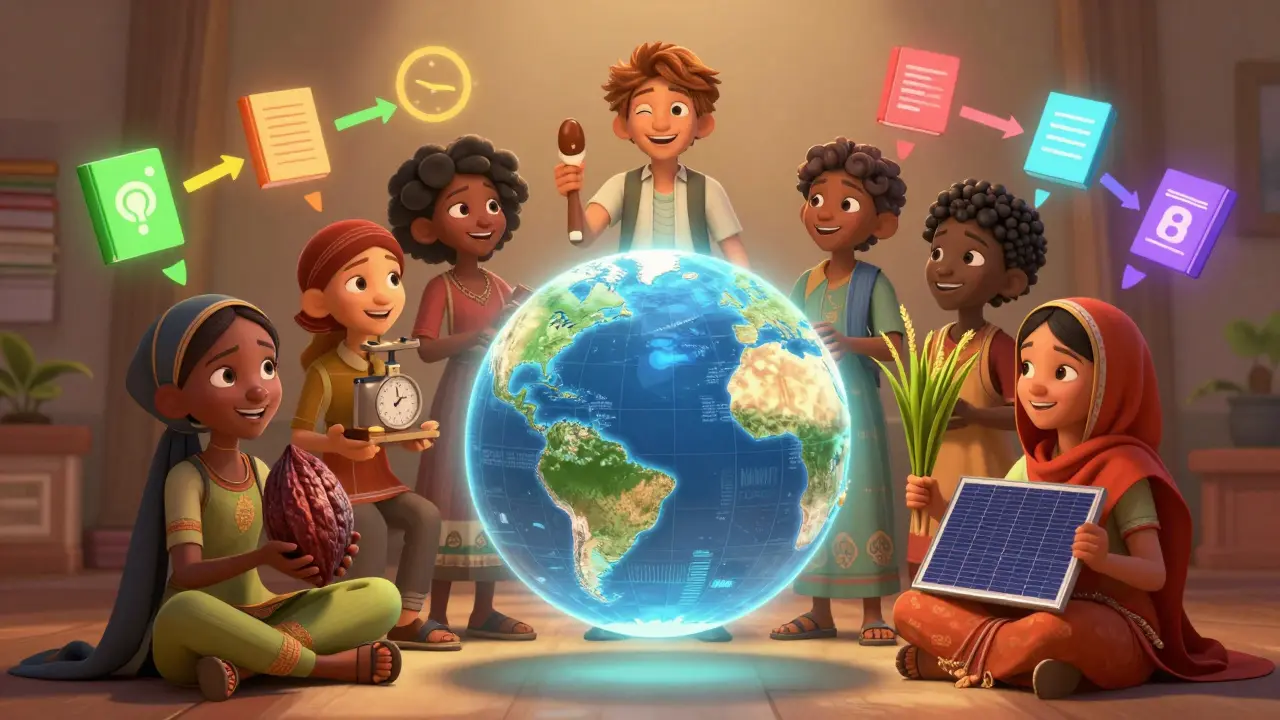
Creating Culturally Responsive Online Course Content
Culturally responsive online course content helps learners feel seen and valued by reflecting their backgrounds, languages, and real-life experiences. Small changes-like using local examples and diverse voices-boost engagement and retention.
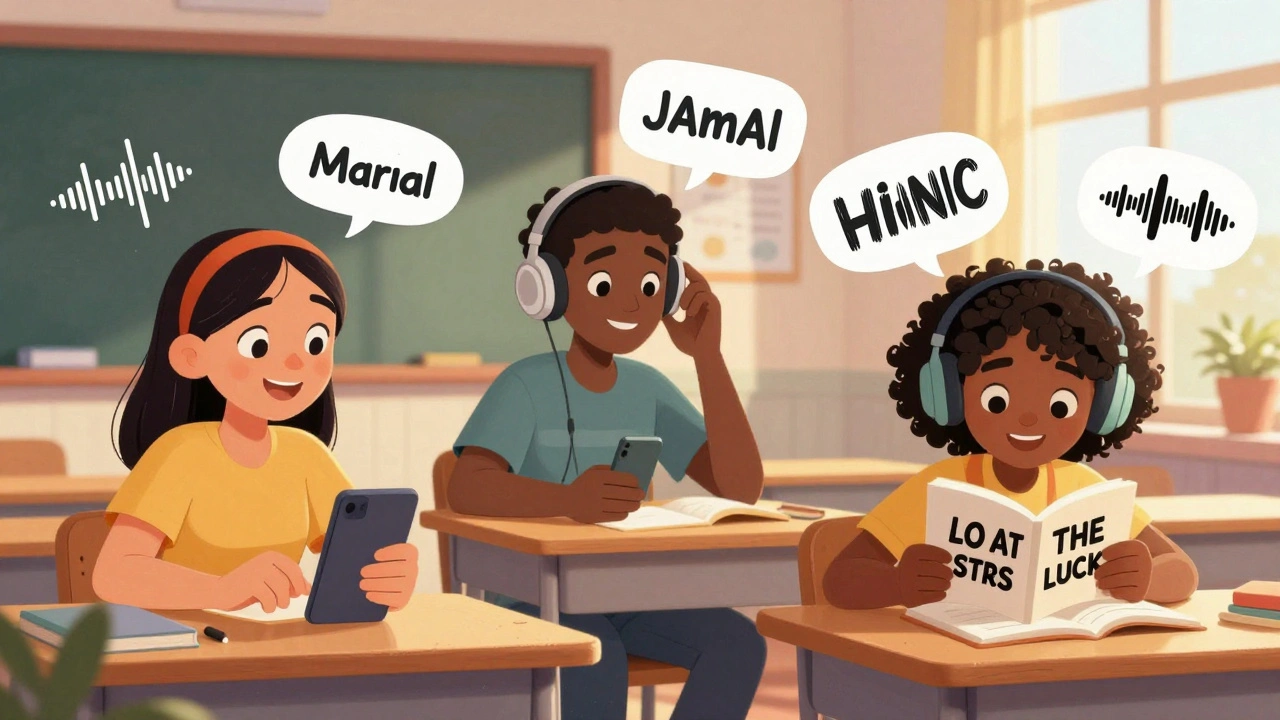
How to Build Inclusive Learning Experiences for All Learners
Learn how to create mobile learning experiences that work for everyone-regardless of ability, age, or background. Practical steps for inclusive design, real-world examples, and simple fixes anyone can apply today.