LMS Compliance: What You Need to Know to Stay Legal and Protect Learners
When you run an online learning platform, LMS compliance, the set of legal and operational rules that ensure your learning management system meets accessibility, privacy, and security standards. Also known as learning platform compliance, it’s not optional—it’s what keeps your courses running without lawsuits, data breaches, or blocked access for students with disabilities. If your LMS doesn’t follow basic rules, you risk fines under laws like ADA, Section 504, or GDPR—even if you didn’t mean to break them.
It’s not just about locking down data. ADA compliance, the legal requirement that digital learning tools be accessible to people with disabilities means your course videos need captions, your PDFs must be screen-reader friendly, and your quiz interfaces can’t rely on color alone to convey meaning. LMS security, the practices that protect student data from hackers and leaks isn’t just IT’s job—it’s yours. Logging access, monitoring for breaches, and integrating tools like SIEM aren’t tech luxuries; they’re what keep student records safe. And accessibility certification, a formal validation that your courses meet WCAG standards for inclusive design? It’s not a badge you slap on a homepage—it’s proof you’ve built your courses for real people, not just ideal users.
These aren’t separate boxes to check. They’re connected. A poorly designed quiz (lacking accessibility) can trigger an ADA complaint. A data leak from an unsecured LMS can violate privacy laws. A marketing budget that ignores compliance costs ends up paying fines instead of growth. The posts below don’t just explain rules—they show you how to build courses that are secure, fair, and legally sound from day one. You’ll find real examples: how to set up logging to catch threats before they spread, how to make slide decks work for screen readers, what your Terms of Service must include to protect you, and how to design exams that don’t exclude people with disabilities. No theory. No fluff. Just what works when you’re running a course and someone’s counting on you to get it right.
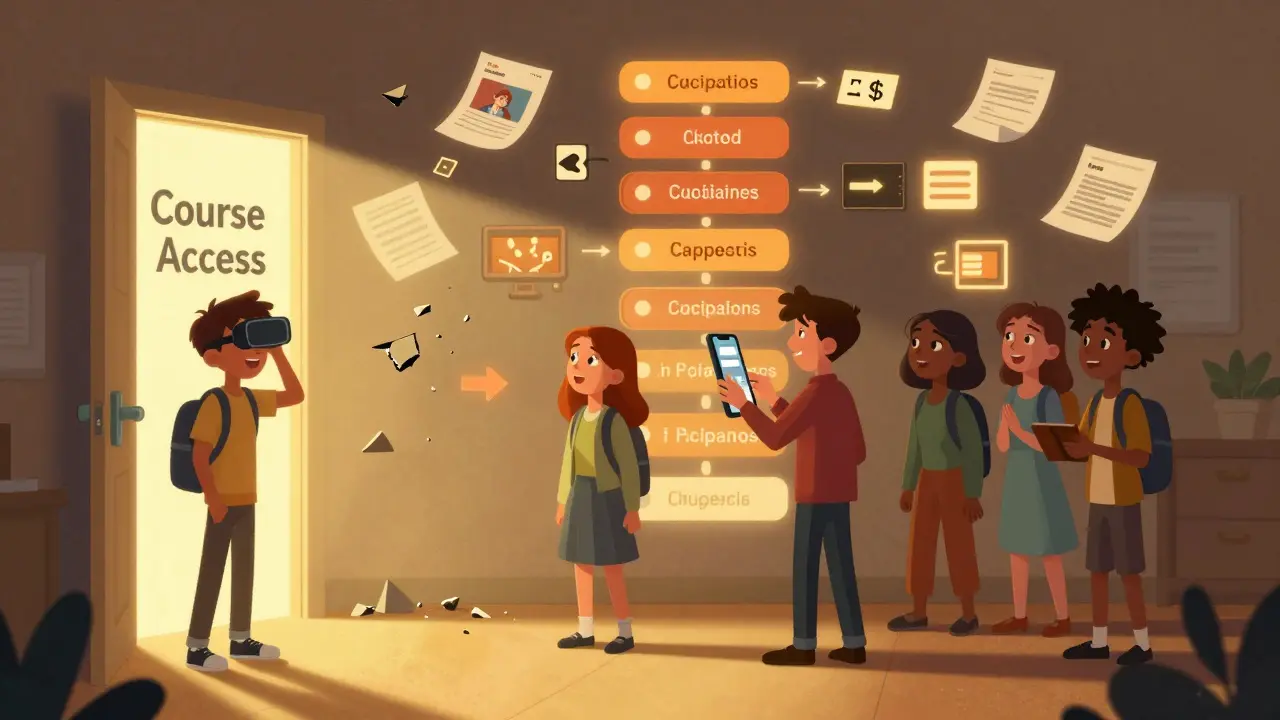
Accessibility Statements for Course and LMS Compliance
An accessibility statement for courses and LMS platforms isn't optional-it's a legal and ethical requirement. Learn what to include, common mistakes to avoid, and how to build a clear, honest statement that protects your institution and serves all learners.
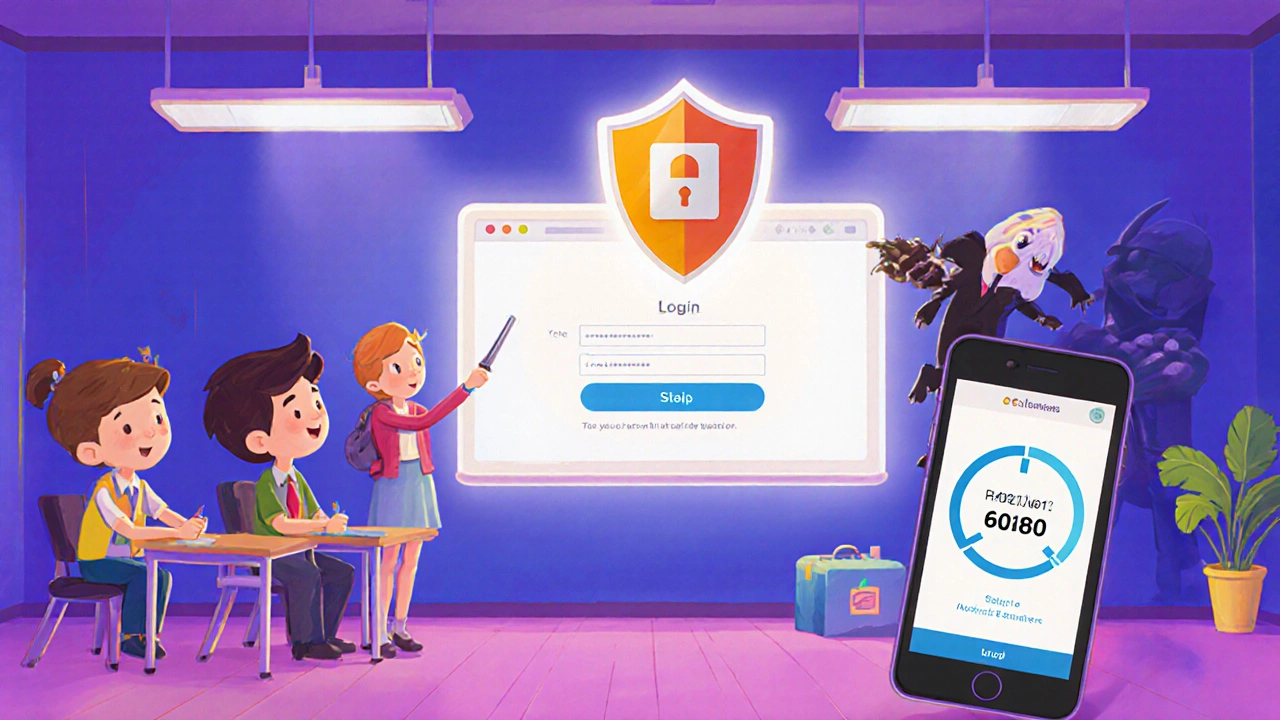
How to Implement Multi-Factor Authentication in an LMS for Better Security
Learn how to implement multi-factor authentication in your LMS to prevent breaches, meet compliance standards, and protect student data. Step-by-step guide for Canvas, Moodle, Blackboard, and more.