UGC and Student Stories: Authentic Content for Course Marketing
 Dec, 14 2025
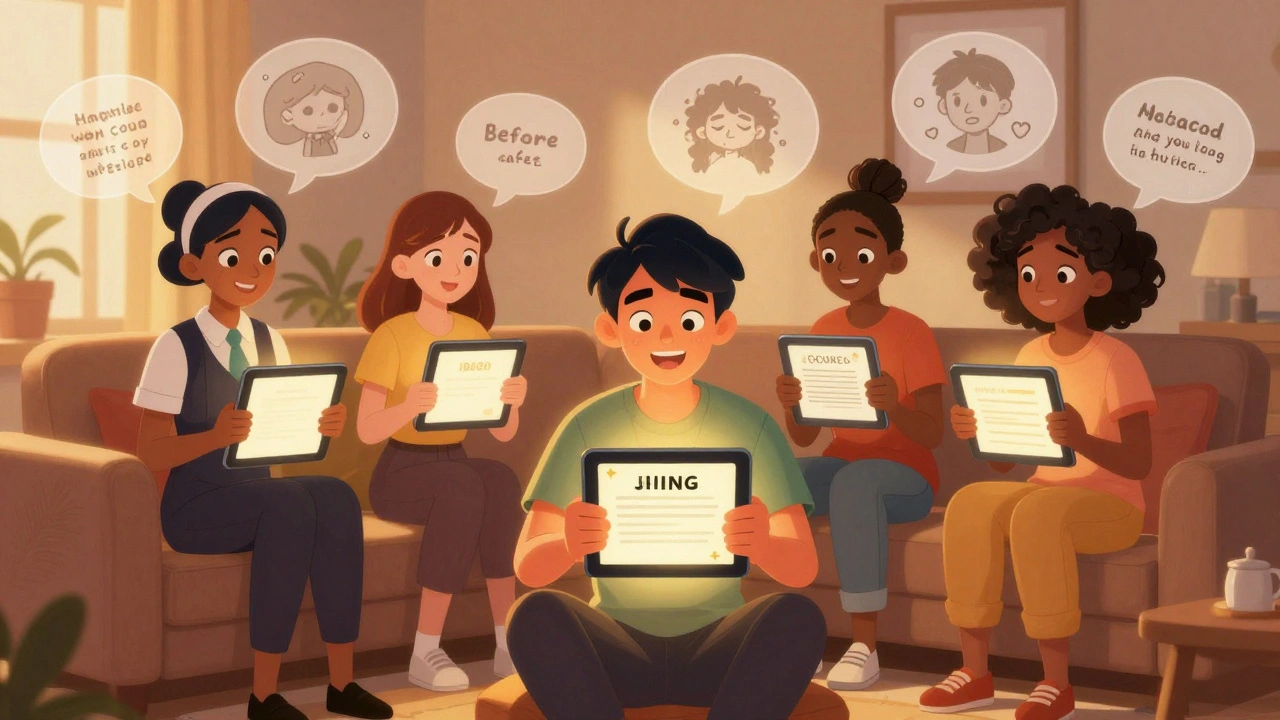
When you’re selling a course, no sales pitch beats a real student saying, "This changed everything for me." That’s the power of user-generated content (UGC) and student stories in course marketing. You can spend thousands on polished ads, but nothing builds trust like someone just like your prospect sharing exactly how your course helped them land a job, switch careers, or finally finish what they started.
Why Real Stories Work Better Than Brochures
Think about the last time you bought something online. Did you scroll past the product page and go straight to the reviews? That’s not a coincidence. People don’t trust brands-they trust other people. A 2024 study by the Journal of Consumer Behavior found that 87% of learners say they’re more likely to enroll in a course after watching a video testimonial from a peer. Not a polished ad. Not a celebrity endorsement. Just another student talking about their real experience.
Here’s the problem with traditional course marketing: it’s all about what you offer. "Learn Python in 30 days!" "Get certified by industry leaders!" Those are features. But learners don’t care about features. They care about outcomes. What does it feel like to go from stuck to hired? That’s what student stories deliver.
How to Collect Authentic Student Stories
You can’t just ask students for a quote and call it a day. Authentic UGC needs depth, emotion, and specificity. Here’s how to get it:
- Ask the right question. Don’t say, "Did you like the course?" Instead, ask: "What was the moment you realized this course was worth it?" or "What did you do differently after finishing this that you couldn’t do before?"
- Give them a simple way to respond. Use a voice note tool like Loom or Riverside. Let them record a 60-second video on their phone. Most people feel more comfortable speaking than writing.
- Follow up with the right students. Don’t just pick the top scorers. Find the ones who struggled at first but pushed through. Their journey is more relatable. A student who failed the first quiz but passed on the third try? That’s your gold.
- Offer something small in return. A free module, a certificate they can share on LinkedIn, or even just a handwritten thank-you note. It’s not about paying for content-it’s about showing appreciation.
One bootcamp in Austin collected over 200 video stories in six months by sending a simple email: "We’d love to feature your story. Just record one thing you learned that surprised you. Takes less than a minute." They got back stories about people quitting toxic jobs, getting promoted after six weeks, and even reuniting with family after learning remote work skills.
Where to Use Student Stories for Maximum Impact
Don’t bury these stories in a testimonials page. Put them where decisions are made:
- Homepage hero section: Replace your tagline with a 15-second video clip of a student saying, "I went from unemployed to hired in 8 weeks. This course did that."
- Course landing pages: Add a "Real Results" section next to your syllabus. Show before-and-after career changes with photos and short quotes.
- Email sequences: Send a story every third email. "Here’s what Maria did after she finished Module 3..."
- Social media: Turn snippets into Reels and TikToks. Use captions like: "This student was scared to apply for promotions. After this course? She got a raise. Here’s how."
- Retargeting ads: Show ads to people who visited your site but didn’t enroll. Use a story from someone who did the exact same thing.
One data analytics course saw a 42% increase in conversions after replacing their static brochure with a rotating carousel of student video clips on their pricing page. The key? Every clip included the student’s name, job title before, and job title after.
What Authentic UGC Looks Like (And What Doesn’t)
Not every story counts as authentic. Here’s the difference:
| Authentic UGC | Manufactured UGC |
|---|---|
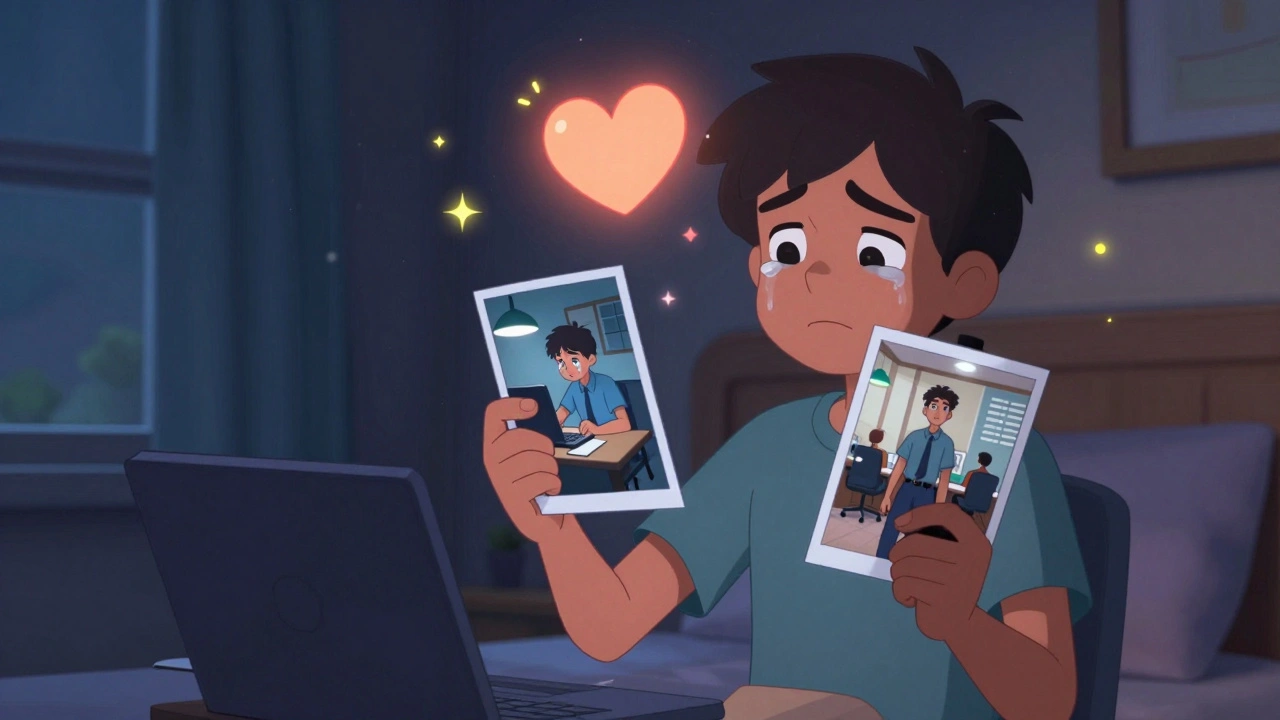
| "I was working two part-time jobs. After this course, I got hired as a junior analyst. My hours dropped from 60 to 35. I still cry when I think about it." | "This course transformed my life and helped me earn $100K+!" |
| Video of a student showing their old resume next to their new one, with shaky hands holding it up. | Stock footage of someone typing on a laptop with upbeat music. |
| A student saying, "I didn’t know Python from a potato. But after week two, I built my first scraper." | "Our expert instructors will teach you everything you need to know." |
Authentic UGC has imperfections. It’s not polished. It’s emotional. It’s specific. It’s human. And that’s why it works.
Turning Stories Into a Content Engine
Once you have a few strong stories, don’t just use them once. Turn them into a content pipeline:
- Break them into snippets. A 90-second video can become three 30-second clips for Instagram, TikTok, and Twitter.
- Repurpose into blog posts. "How Sarah Went From Waitress to Data Analyst in 10 Weeks"-that’s a blog post with real quotes and screenshots.
- Create case studies. Even a one-pager with a photo, quote, and before/after stats is powerful.
- Use them in sales calls. When a prospect says, "I’m not sure I can do this," play a 30-second clip of someone who felt the same way.
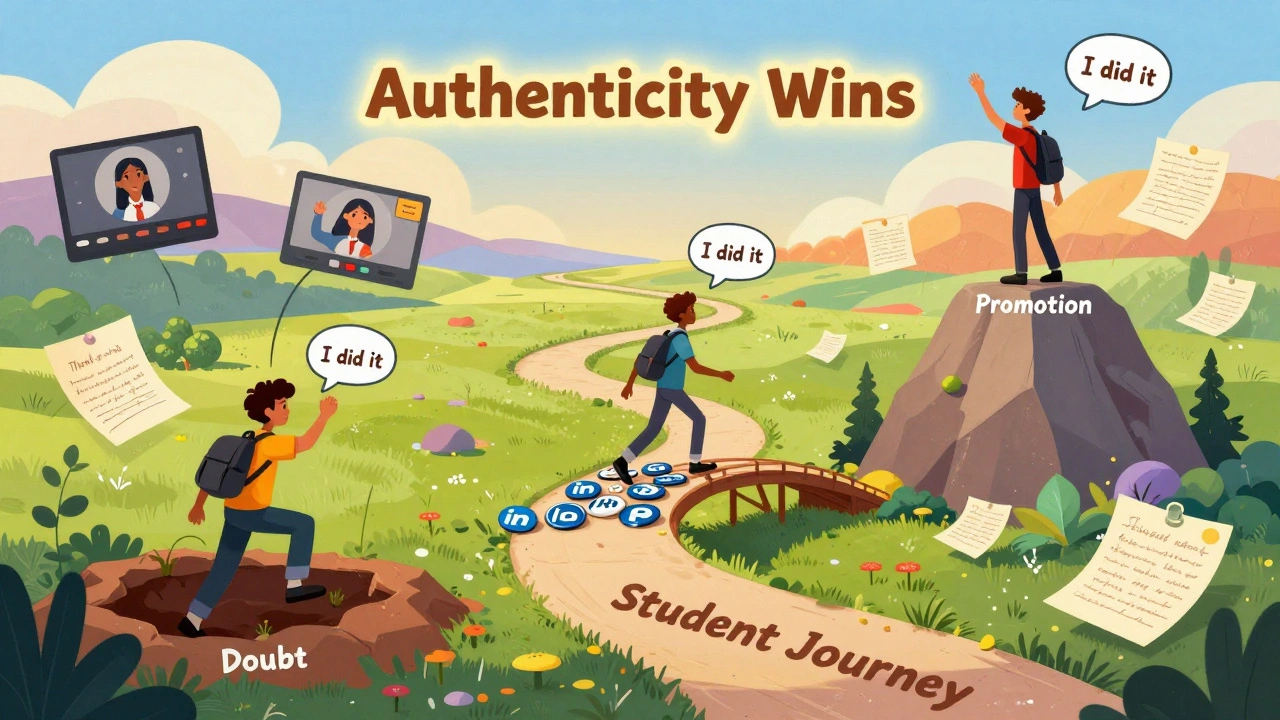
One coding bootcamp in Denver built a whole "Student Journey" section on their website, updated monthly. Each story included a photo, a short video, their career path before, and a link to their LinkedIn. They noticed that visitors who clicked on even one story were 3x more likely to enroll.
Common Mistakes to Avoid
Even good intentions can backfire. Here’s what not to do:
- Don’t edit out the emotion. If a student cries while talking about their promotion, leave it in. That’s the moment people remember.
- Don’t use only perfect success stories. Show people who took longer, struggled, or didn’t get the job they wanted right away. Authenticity includes the messy parts.
- Don’t ask for permission to use the story without consent. Always get written or recorded permission. Even if it’s public, respect their voice.
- Don’t reuse the same 3 students. Fresh stories keep your content alive. Rotate them every 4-6 weeks.
One course provider kept using the same two students in every ad. Students started commenting: "I’ve seen these people everywhere. Are they actors?" That’s the opposite of authentic.
Why This Works in 2025
Online education is crowded. Thousands of courses promise the same outcomes: "Learn AI," "Get certified," "Earn more." But only a few tell the real human story behind the result. In 2025, learners aren’t just buying skills-they’re buying a version of themselves they can become.
UGC and student stories don’t just sell courses. They show the path. They answer the silent question: "Can someone like me actually do this?" And when they see someone who looks like them, came from the same place, and made it-they believe it’s possible.
Start small. Pick one student. Ask them one question. Record their answer. Share it. Then do it again next week. Over time, those stories become your most powerful marketing tool-because they’re not yours. They’re theirs. And that’s why they work.
How do I get students to share their stories without paying them?
Most students want to help others. Ask them to share what helped them, not what they got. Offer a small thank-you like a free module, a personalized certificate, or a shout-out on your social channels. People share when they feel seen, not when they’re paid.
What if my students don’t have great video skills or cameras?
That’s fine. Use their phone. Natural lighting and a quiet room are enough. Don’t ask for studio quality-ask for honesty. A shaky video with real emotion beats a perfect one with no heart. Many tools like Loom or Clipchamp make recording and trimming easy, even for beginners.
How many student stories do I need to see results?
You can start seeing impact with just three strong stories. But the real power comes from consistency. Add one new story every two weeks. Over time, you’ll build a library that feels alive and trustworthy. Don’t wait for perfection-start with what you have.
Can I use UGC from social media without asking?
No. Even if a student posted about your course publicly, always ask for permission before reusing their content. Send a direct message: "We loved your post and would love to feature it in our marketing. Would you mind if we used it?" It’s respectful and protects you legally.
Do student stories work for expensive courses?
They work even better. When a course costs $2,000 or more, people need proof it’s worth it. A story showing a $50K salary increase after a $1,500 investment is the most convincing argument you can have. Use stories that highlight ROI, not just satisfaction.
Next Steps: Start Today
Don’t wait for the perfect student story. Start with the first one you have-even if it’s rough. Reach out to one graduate from your last cohort. Ask them: "What’s one thing you didn’t expect to learn?" Record it. Post it. See what happens.
Authentic content doesn’t need a big budget. It just needs honesty. And the best stories are already out there-waiting for you to ask for them.
Ashton Strong
December 15, 2025 AT 14:58Authenticity is the new currency in education marketing. I’ve seen institutions spend six figures on glossy ads that flop, while a single 45-second video from a student who went from food service to data analyst converts at 3x the rate. It’s not about production value-it’s about resonance. When learners see someone who looks like them, talks like them, and struggled like them, they don’t just believe it’s possible-they believe it’s inevitable.
Start small. Reach out to one graduate from your last cohort. Ask them: ‘What was the moment you realized this changed your life?’ Don’t script it. Don’t edit the pause. Leave the shaky hands and the sniffle. That’s the gold.
Steven Hanton
December 17, 2025 AT 08:56This is one of the most thoughtful breakdowns of UGC I’ve read in years. I especially appreciate the emphasis on imperfect stories-those who failed the first quiz but passed the third. We often chase the ‘overnight success’ narrative, but the real transformation happens in the messy middle. That’s where the audience finds themselves.
Have you considered integrating these stories into onboarding sequences? A student who’s nervous on Day 1 might benefit from watching a video from someone who felt the same way before Week 2.
Pamela Tanner
December 18, 2025 AT 05:22Excellent structure. But let’s be precise: you can’t call it ‘UGC’ if you’re directing the narrative too heavily. True user-generated content is organic. The moment you script lines like ‘I got hired in 8 weeks,’ it becomes branded content, not UGC. The power lies in the unfiltered voice-grammar errors, pauses, emotional cracks included. That’s what makes it human.
Also, always attribute: name, job title before, job title after. Omitting those details turns inspiration into abstraction.
Kristina Kalolo
December 18, 2025 AT 21:06Interesting data point about the 87% statistic. I’d love to see the sample size and methodology behind that study. Correlation doesn’t always equal causation-maybe people who watch testimonials are already more motivated to enroll. Still, the principle holds: real people > polished ads.
ravi kumar
December 19, 2025 AT 15:40From India, I can confirm this works. We have a small coding bootcamp here. We started asking students to send voice notes instead of written reviews. Got 142 submissions in 3 months. Our conversion rate jumped from 11% to 29%. No paid ads. Just real talk.
One girl said: ‘I was told I’m too old to learn code. Now I’m teaching my nephew.’ That’s the one we use everywhere.
Megan Blakeman
December 20, 2025 AT 08:50This is so true... I mean, like, wow... I just cried reading this. Like, not fake tears, real tears. My cousin took a course like this and went from cleaning houses to working at Google... and she didn’t even finish college... I just... I don’t know what to say... but thank you for writing this. It’s beautiful. 💔✨
Akhil Bellam
December 21, 2025 AT 06:59Of course this works-because you’re appealing to the lowest common denominator of human psychology: envy and aspiration. But let’s be honest: this isn’t ‘authentic marketing.’ It’s emotional manipulation dressed in vulnerability. Real learning doesn’t need tearful TikToks. It needs rigor. Discipline. Structure. Not someone sobbing about their ‘new job’ while holding a crumpled resume.
Stop romanticizing mediocrity. The real elite don’t need testimonials-they build systems. And if your course can’t stand on its own without a sob story, maybe it’s not worth the investment.
Amber Swartz
December 22, 2025 AT 06:47Okay but what if the student is lying? What if they’re paid actors? What if the ‘before’ photo is from 2018 and the ‘after’ is photoshopped? I’ve seen this before. It’s all staged. It’s a scam. And now you’re normalizing it. This is how we get to a world where everything is fake. I’m not even surprised anymore. But I’m sad. 😭
Robert Byrne
December 23, 2025 AT 21:41You say ‘don’t edit out the emotion’-but you also say ‘don’t use only perfect success stories.’ So which is it? If you show someone who struggled and barely made it, are you encouraging mediocrity? If you show someone who crushed it, are you misleading people? You can’t have it both ways. This article is full of contradictions. And you call it ‘authentic’? Please.
Also, ‘shaky hands holding it up’? That’s not authenticity-it’s exploitation. Get consent. Get a waiver. Don’t turn vulnerable people into marketing props.
Tia Muzdalifah
December 24, 2025 AT 02:42fr tho, i just watched a 30 sec video of this girl from ohio who went from waitressing to landing a data job after your course and i was like… i’m gonna do it too. no cap. no fancy edits. just her, her phone, and a coffee stain on her shirt. that’s all it took. thanks for this.
Zoe Hill
December 25, 2025 AT 15:04I love this so much. I’ve been teaching for 8 years and I never realized how powerful a simple ‘I didn’t know Python from a potato’ is. I had a student last month who said that-and I cried. I didn’t even know I needed to hear that. Now I ask every student that exact question. It’s changed everything. Thank you.
Albert Navat
December 27, 2025 AT 08:21Look, if you’re not leveraging micro-influencer UGC with dynamic retargeting via UTM-tagged video snippets pushed through Meta’s Advantage+ catalog, you’re leaving 80% of your conversion potential on the table. The funnel’s not about stories-it’s about behavioral triggers. You need lookalike audiences seeded with high-engagement testimonial clips, then layered with intent-based retargeting. Otherwise, you’re just doing content marketing 1.0.
King Medoo
December 27, 2025 AT 23:51People don’t realize how dangerous this trend is. You’re training an entire generation to equate emotion with merit. ‘I cried so it must be real.’ ‘I felt seen so it must be good.’ That’s not education-that’s emotional branding. And it’s eroding critical thinking. If you can’t justify your course with curriculum, outcomes, and credentials-then you don’t deserve to exist. This isn’t empowerment. It’s manipulation with a heart emoji.
And don’t even get me started on ‘handwritten thank-you notes.’ That’s performative gratitude. Real appreciation is a scholarship. Not a sticky note.
Rae Blackburn
December 29, 2025 AT 05:08They’re watching you. They’re recording you. They’re using your students’ stories to train AI models that will replace teachers. This isn’t marketing. It’s data harvesting. Every video, every quote, every ‘before and after’-it’s all feeding some corporate algorithm that will soon decide who gets hired, who gets funded, who gets a chance. You’re not helping students. You’re feeding the machine.
LeVar Trotter
December 29, 2025 AT 12:14One thing I’ve learned from 12 years in edtech: authenticity scales. The more stories you collect, the more trust you build. But it’s not about volume-it’s about diversity. If every story is from a 22-year-old college grad, you’re excluding single parents, veterans, retirees. The magic happens when someone from rural Alabama sees a story from someone in rural Alabama. That’s the moment belief clicks.
Keep rotating. Keep listening. Keep giving credit.
Tyler Durden
December 31, 2025 AT 01:20Start today. Right now. Don’t wait for perfect. Don’t wait for the ‘right’ student. Pick one. Call them. Ask: ‘What was the one thing you didn’t expect to learn?’ Record it. Post it. Then do it again next week. And the week after. And the week after that. Build a library. Not a campaign. A living archive of human transformation. That’s how you win.
It’s not about marketing. It’s about legacy.
Aafreen Khan
January 1, 2026 AT 09:30lol u think this is new? we’ve been doing this in india for 10 yrs. students record videos on their jio phones, we post on whatsapp, boom conversions. no one cares about ‘authenticity’ here-just results. also, why are you using ‘bootcamp’? we say ‘coaching center’. just saying.
Pamela Watson
January 2, 2026 AT 16:57You’re missing the point. The real issue isn’t the stories-it’s that you’re not verifying them. What if the student never even took the course? What if they’re a bot? What if their LinkedIn is fake? You’re trusting people who could be lying. This is how scams spread. You need blockchain verification. Or at least a notary.
michael T
January 3, 2026 AT 20:57I’ve seen this before. They get one student to cry on camera, then they use it for three years. Then they use the same clip in every ad. Then the comments start: ‘Is this the same girl from last year?’ ‘Are these actors?’ And then-poof-trust evaporates. You don’t need 200 stories. You need 200 different people. Don’t be lazy. Don’t recycle. Don’t be a fraud.
Christina Kooiman
January 4, 2026 AT 09:37There is a grammatical error on line 17: ‘People don’t trust brands-they trust other people.’ There should be a comma before ‘they.’ Also, ‘U-G-C’ is not a word-it’s an acronym. You should spell it out the first time. And you use ‘they’ as a singular pronoun multiple times-this is not standard English. I’m not trying to be rude, but if you’re going to preach authenticity, at least get the basics right.
Ashton Strong
January 6, 2026 AT 08:00Thank you for this. I’ve been trying to convince my team that we don’t need a video studio-we need honesty. Your comment about the ‘shaky hands’ and the ‘sniffle’? That’s exactly what I’ve been saying. We’re not selling a course. We’re selling hope. And hope doesn’t come with a teleprompter.