Recognition Systems: How Points, Levels, and Privileges Boost Engagement in Online Courses
 Dec, 4 2025
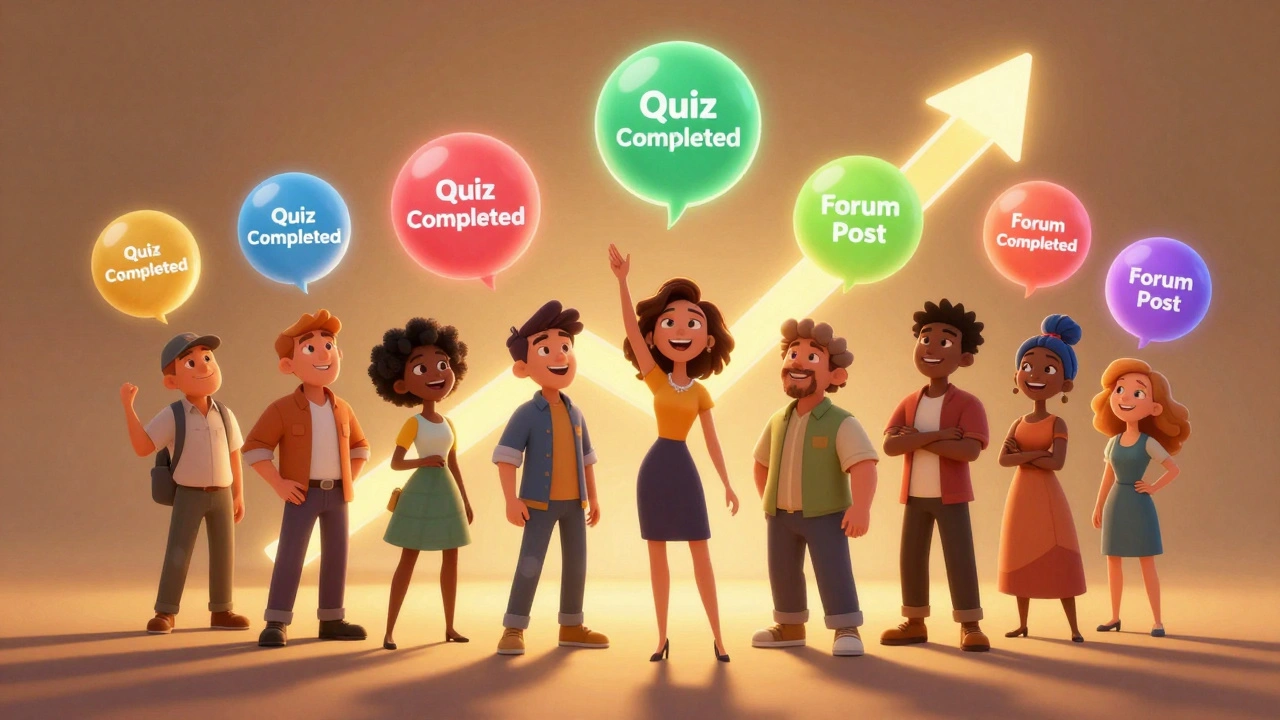
Ever finish a module in an online course and get a little badge or a burst of ‘+50 points’? It feels good. Not because the badge means much on its own, but because it tells you you’re moving forward. That’s the power of recognition systems - simple, human, and surprisingly effective. They turn passive learners into active participants by making progress visible, rewarding, and even fun.
Why Recognition Systems Work
Humans are wired to respond to feedback. A 2023 study from Stanford’s Learning Analytics Lab tracked 12,000 learners across 87 courses and found that students who earned points or reached new levels were 47% more likely to complete their courses than those who didn’t. It’s not about the points themselves - it’s about the sense of momentum. When you see your level jump from Beginner to Intermediate, you don’t just feel accomplished. You feel like you’re on a path.
Think of it like a video game. You don’t play because the XP is valuable. You play because each kill, each quest, each level-up tells you: You’re getting better. Online courses don’t have bosses or loot, but they can still give you the same psychological push. Points, levels, and privileges are the new progress bars.
Points: The Currency of Progress
Points are the most basic building block. They’re flexible, measurable, and easy to track. A point might come from:
- Completing a quiz with 100%
- Posting a thoughtful reply in a discussion forum
- Submitting an assignment before the deadline
- Watching a video all the way through
Some platforms give 10 points for a quiz, 25 for a discussion post, 50 for a project. Others use variable scoring - more points for harder tasks, fewer for routine ones. The key isn’t the number. It’s consistency. Learners need to know exactly how to earn points and what they’re worth.
One popular course platform, EduPath, uses a point system where 1,000 points unlocks a certificate. Students can track their progress in real time. In 2024, users who earned over 700 points had a 92% completion rate. Those under 300 points? Only 28% finished. The gap isn’t about ability. It’s about motivation.
Levels: Turning Progress Into Identity
Points alone can feel meaningless. Levels give them meaning. When you go from Novice to Learner to Expert, you’re not just accumulating points - you’re changing who you are in the system.
Levels work because they tap into identity. Once you’re labeled ‘Advanced Learner,’ you start acting like one. You show up more. You help others. You push harder. That’s the power of role-based recognition.
Take the coding course PlatformX. It has five levels:
- Beginner (0-499 points)
- Learner (500-1,499 points)
- Practitioner (1,500-2,999 points)
- Expert (3,000-4,999 points)
- Mentor (5,000+ points)
Each level unlocks new features. But more importantly, each level changes how others see you - and how you see yourself. Learners at the Expert level are automatically tagged as ‘Helpful Contributor’ in forums. New students start asking them questions. That social validation? It’s more powerful than any badge.

Privileges: The Real Reward
Here’s the secret most platforms miss: points and levels are just the carrot. Privileges are the steak.
Privileges are the tangible benefits you earn as you climb. They’re not cosmetic. They change how you experience the course. Examples:
- Access to exclusive live Q&A sessions with instructors
- Early access to new course modules
- Ability to create your own discussion threads
- Priority grading for assignments
- Invitations to private study groups
In a 2025 survey of 3,200 learners, 78% said they’d stick with a course longer if they earned early access to content. Only 34% said badges mattered. Privileges create real value - not just emotional reward.
One language learning course, LinguaFlow, gives top-level users the ability to host weekly conversation circles. These aren’t just optional chats - they’re moderated, structured sessions with native speakers. Students who reached the ‘Fluent’ level and hosted a session saw their own fluency scores improve 40% faster than peers who didn’t. The privilege didn’t just feel good. It changed their learning.
Putting It All Together: A Real-World Example
Consider a project-based digital marketing course. Here’s how recognition works in practice:
- Points: 20 for each video watched, 50 for each quiz passed, 100 for submitting a campaign draft.
- Levels:
- Apprentice (0-499 points)
- Marketer (500-1,499)
- Strategist (1,500-2,999)
- Expert (3,000+)
- Privileges:
- Apprentice: Standard feedback
- Marketer: Access to template library
- Strategist: One-on-one review with instructor
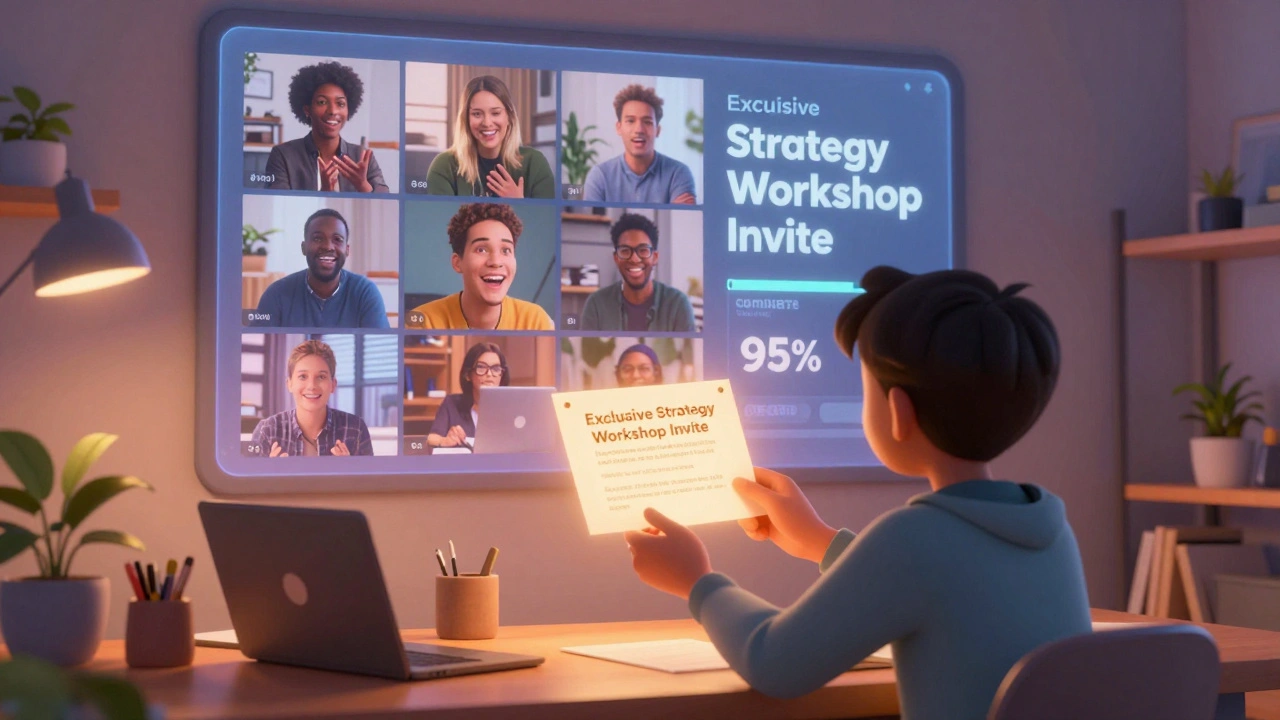
- Expert: Invite to monthly live strategy workshop
By the time a learner hits Strategist level, they’re not just trying to finish the course. They’re trying to earn that live workshop. And once they’re in it? They’re more likely to refer friends, leave reviews, and enroll in the next course.
Common Mistakes to Avoid
Not all recognition systems work. Here’s what breaks them:
- Too many points for tiny actions: If you get 5 points for clicking a button, the system feels cheap. Learners tune out.
- Levels that never change: If your ‘Expert’ level is just 5,000 points and nothing unlocks after that, learners plateau.
- Privileges that aren’t valuable: Giving ‘early access’ to a module that’s just a rehash of week one? That’s not a reward. It’s a gimmick.
- No transparency: If learners can’t see how points are calculated or what’s needed for the next level, they give up.
One platform, LearnHub, tried giving points for logging in daily. Within two weeks, users were automating logins with scripts. The system didn’t reward effort - it rewarded automation. They scrapped it and switched to points for meaningful contributions. Completion rates jumped 31% in a month.
How to Design a Recognition System That Sticks
If you’re building or choosing a course with recognition, here’s what works:
- Start with clear goals. What behavior do you want to encourage? Completion? Engagement? Peer help?
- Link points to actions that matter. Don’t reward attendance - reward insight.
- Make levels feel earned. No more than 3-5 levels. Each should take real effort.
- Privileges should unlock real opportunities, not just perks. Think access, influence, or exclusivity.
- Let learners see their progress visually. A progress bar, level badge, or leaderboard (opt-in only) helps.
- Test it. Run a small pilot. Watch who stays. Ask why.
Recognition systems aren’t about gamification for the sake of fun. They’re about making learning feel human. When someone sees their name on a leaderboard, hears their idea quoted in a live session, or gets invited to a private group - that’s not a game. That’s belonging.
Frequently Asked Questions
Do recognition systems work for adult learners?
Yes - and often better than for younger learners. Adults respond to recognition that signals competence and status. A ‘Strategist’ title in a professional course isn’t childish - it’s a credential. Many adult learners say earning privileges like direct access to instructors makes them feel respected, not infantilized.
Can recognition systems create unhealthy competition?
Only if they’re poorly designed. Leaderboards can discourage learners who fall behind. The fix? Make them optional. Offer a private progress tracker instead. Focus on personal milestones - ‘You’ve completed 80% of your goals’ - rather than comparing you to others. Most successful systems use social recognition (badges shared with peers) over public ranking.
What’s the difference between points and badges?
Points are currency. Badges are symbols. Points drive behavior - you earn them to unlock something. Badges are proof - they show what you’ve done. Badges work best when they’re tied to meaningful achievements, like ‘Completed 10 Discussion Threads’ or ‘Helped 5 Peers.’ A generic ‘Great Job!’ badge means little. A badge tied to a specific skill? That’s valuable.
Are recognition systems only for online courses?
No. They’re used in corporate training, university MOOCs, even in-person bootcamps. The key is adaptability. In a live workshop, you might earn privileges like choosing your project topic or leading a breakout session. The system doesn’t need to be digital - it just needs to be visible and consistent.
How do I know if my recognition system is working?
Look at three things: completion rates, engagement time, and peer interaction. If learners who earn points complete courses at a higher rate, spend more time in forums, or help others more often - your system is working. If users log in just to collect points and then disappear? You’re rewarding the wrong behavior. Adjust your point rules and privileges accordingly.
Next Steps
If you’re a course creator: Start small. Add points for one meaningful action - like posting a reflection. Then add one level. Then one privilege. Watch what changes. Don’t build a complex system overnight.
If you’re a learner: Look for courses that give you real privileges, not just shiny badges. Ask: ‘What can I do at the next level that I can’t do now?’ If the answer is nothing - move on.
Recognition isn’t about tricks. It’s about respect. When learners feel seen, their effort becomes sustainable. And that’s the real win.
Mark Brantner
December 6, 2025 AT 02:12So let me get this straight… we’re gamifying learning now? Next they’ll give us trophies for not falling asleep during Zoom lectures. 🤡
Kate Tran
December 7, 2025 AT 05:30I’ve seen courses where points were given for logging in. People used bots. Real learning doesn’t need candy.
amber hopman
December 8, 2025 AT 02:59Actually, I think this makes sense. I finished a course last year because I wanted to unlock the live Q&A. It wasn’t about the badge-it was about talking to the instructor. That felt real.
Jim Sonntag
December 9, 2025 AT 22:09Privileges > badges any day. I don’t care if I’m an Expert if I can’t talk to the teacher. Just give me access, not a sticker.
Deepak Sungra
December 11, 2025 AT 12:52Bro this is just dopamine manipulation. They’re treating us like rats in a maze pushing levers for pellets. I’m not here to grind points, I’m here to learn.
Samar Omar
December 13, 2025 AT 02:33Let’s be honest-this system only works for the 10% who already have intrinsic motivation. The rest? They’re just chasing digital confetti. Real mastery doesn’t come from leveling up-it comes from obsession, discipline, and quiet persistence. The rest is theater.
chioma okwara
December 14, 2025 AT 16:10you misspelled 'sequentially' in the study citation. also 47% more likely? where's the p-value? this article is full of pseudo science
John Fox
December 16, 2025 AT 03:04Points are fine. But if you’re not giving real access at higher levels, it’s just noise. I’ve seen this fail a hundred times.
Tasha Hernandez
December 16, 2025 AT 10:36Oh great. Another corporate edu-tech fantasy. Let’s turn education into a mobile game where you unlock the privilege of… waiting longer for feedback? Brilliant. I’m sure the investors are thrilled.
Anuj Kumar
December 17, 2025 AT 19:40They’re just trying to keep you hooked. Same as social media. You think you’re learning? You’re just addicted to the next notification.
Christina Morgan
December 18, 2025 AT 01:54I love how this mirrors real-world professional growth. In my job, promotions come with access to higher meetings, not just a title. This isn’t gamification-it’s just good design.
Kathy Yip
December 19, 2025 AT 06:21I wonder if this system works differently across cultures. In some places, public recognition feels embarrassing, not motivating. Is this model universal-or just Western?
Bridget Kutsche
December 20, 2025 AT 11:00My favorite part? When you hit Expert level and someone actually asks you for help. That’s when you realize you’ve grown-not because of the badge, but because you’ve become someone others rely on.
Jack Gifford
December 22, 2025 AT 10:05Points for watching videos? That’s lazy. I want points for writing a summary that makes someone else understand something they couldn’t before. That’s learning.
Sarah Meadows
December 24, 2025 AT 07:20This is why American education is broken. You reward participation, not excellence. In my country, you earn respect by outperforming, not by clicking buttons.
Nathan Pena
December 26, 2025 AT 02:58Statistical cherry-picking alert. 12,000 learners? But how many dropped out before even earning 100 points? The sample is biased toward the motivated. This isn’t evidence-it’s marketing fluff wrapped in a pie chart.
saravana kumar
December 27, 2025 AT 17:26You say privileges are the steak? Nah. Privileges are just the salt on the steak. The real meat is the content. If the course is garbage, no badge or Q&A will save it. Stop pretending systems fix bad teaching.
Tamil selvan
December 29, 2025 AT 07:58While I appreciate the structural insight, I must respectfully disagree with the implication that motivation is purely extrinsic. Many learners-particularly adult professionals-respond to recognition not because they crave rewards, but because they seek validation of their identity as lifelong learners. The system, when thoughtfully implemented, does not replace intrinsic drive-it amplifies it.