Adaptive Learning: How Personalized Courses Keep Students Engaged and Retained
When you start a course and it adaptive learning, a system that changes what you see next based on how you respond to questions, pace, and mistakes. It's not just pushing the same material faster or slower—it’s rewriting the path in real time to match your brain’s rhythm. This isn’t science fiction. It’s what’s cutting dropout rates in online courses by up to 40% in 2024, according to data from platforms that track every click, pause, and retry. You’re not just consuming content—you’re being guided by a system that learns you as you go.
Adaptive learning works because it ties together a few key pieces: learning analytics, the data collected from how learners interact with lessons, personalized learning, the outcome where each student gets a custom route through the material, and course optimization, the ongoing process of tweaking content based on real performance. These aren’t separate tools—they’re parts of the same machine. A student struggles with a video? The system drops in a quick quiz. Someone breezes through a module? It skips ahead. No guesswork. No one-size-fits-all. Just what works for you right now.
You see this in action in posts about gamification boosting completion rates, or how A/B testing helps instructors figure out which explanations actually stick. It’s why some courses now use placement tests to set your starting point, or why inactive students get nudged back with content tailored to where they left off. This isn’t about making things prettier—it’s about making them work. If you’ve ever felt lost in a course, or bored because it moved too slow, or overwhelmed because it jumped ahead too fast—adaptive learning fixes that. It doesn’t assume you’re like someone else. It assumes you’re you.
What you’ll find below are real examples of how this works in practice: how instructors use data to cut through noise, how platforms adjust content on the fly, and how learners end up finishing what they start—not because they’re forced to, but because the course finally feels like it was made for them.
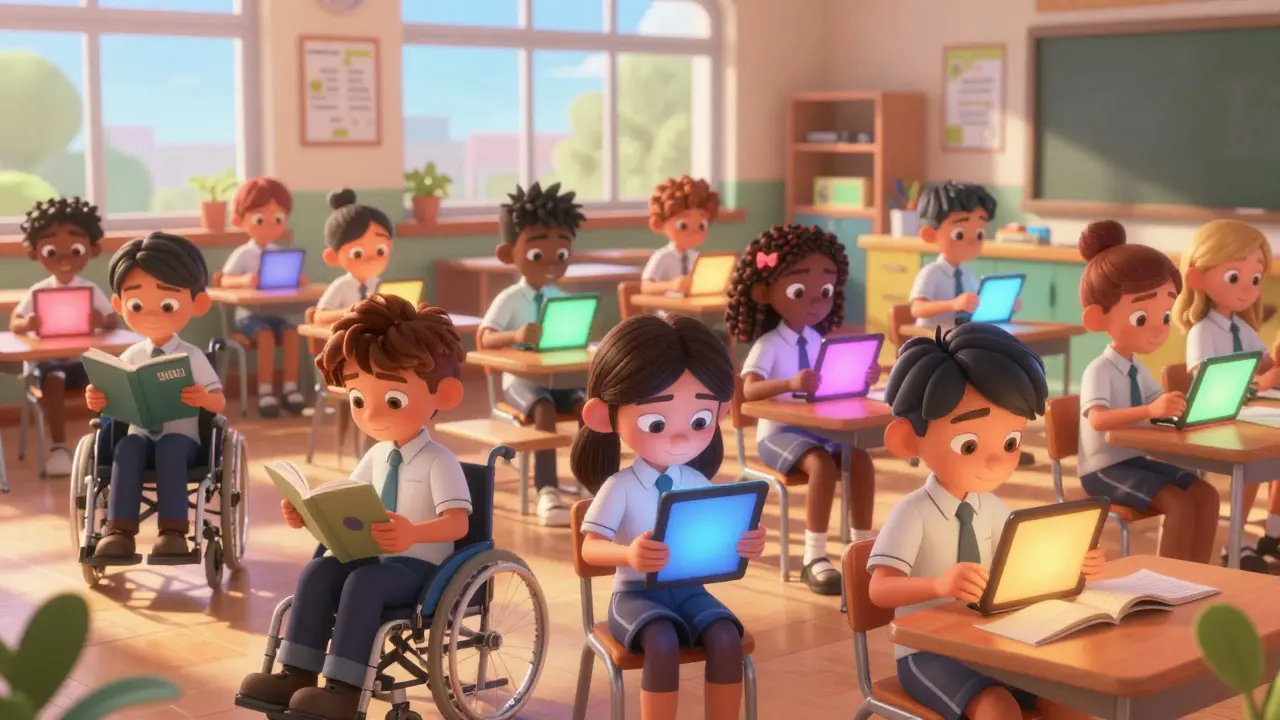
How to Handle Diverse Learning Needs at Scale with Adaptive Learning Strategies
Strategies for managing varied student requirements using adaptive learning technology, data analytics, and inclusive design frameworks.
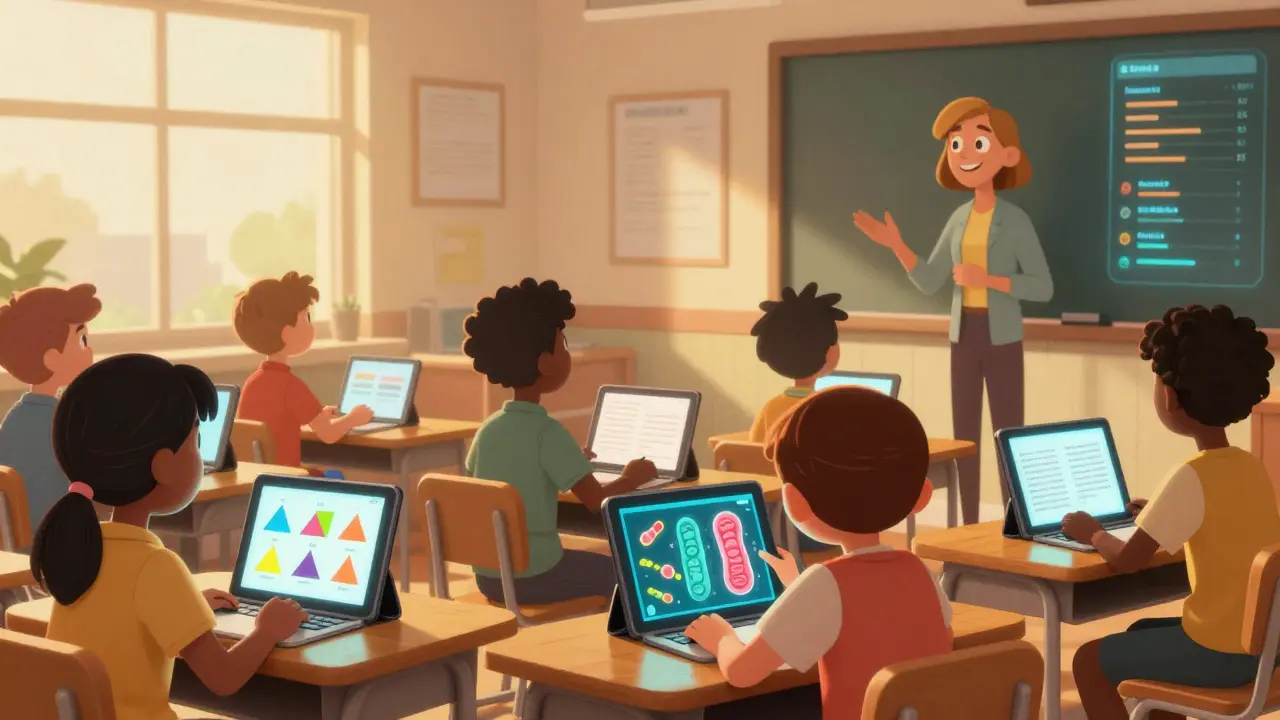
Adaptive Learning Technology Explained for Educators
Adaptive learning technology adjusts lessons in real time based on how each student learns. It helps teachers identify gaps, save time, and give personalized support - without replacing human instruction. Used right, it closes learning gaps and boosts engagement.
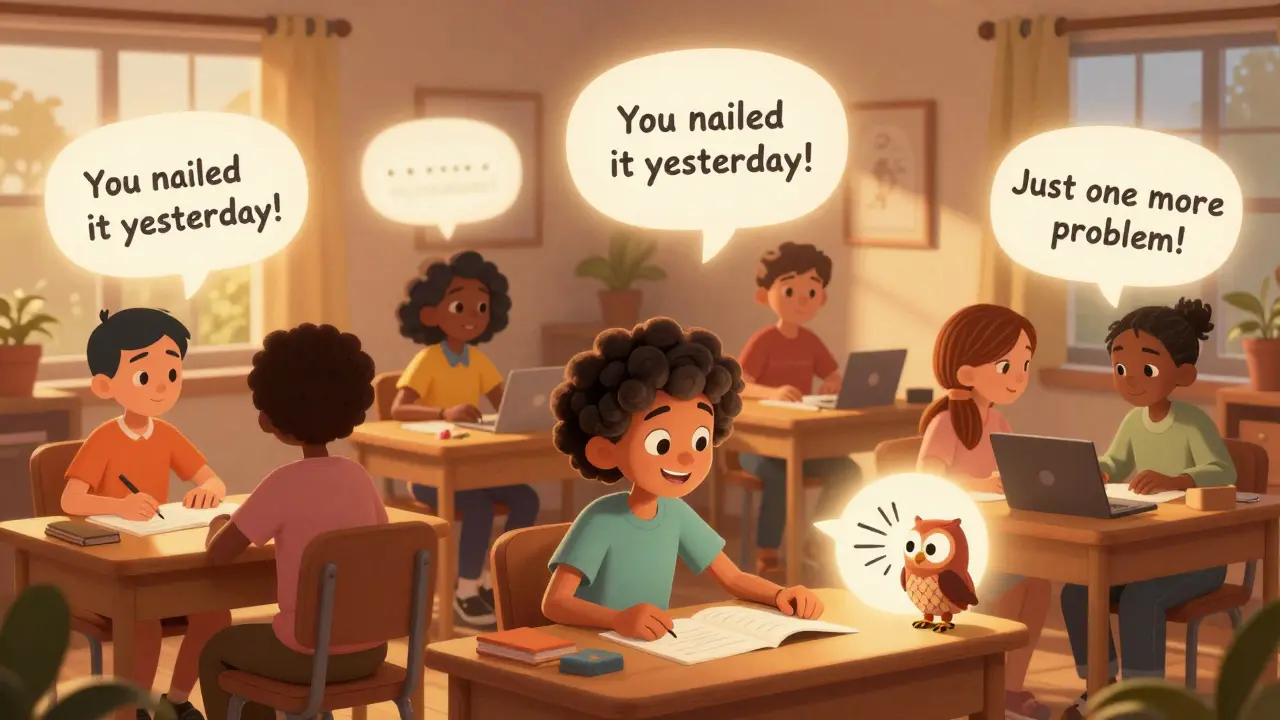
Personalized Nudges and Notifications That Improve Learning Outcomes
Personalized nudges and notifications use behavioral data to keep learners engaged, reduce dropouts, and boost completion rates by up to 61%. Learn how smart timing and context make the difference between quitting and succeeding.

Scaffolding Strategies for Struggling Online Learners
Scaffolding strategies help struggling online learners by providing clear structure, guided practice, and timely feedback-turning overwhelming courses into doable paths to success.

Machine Learning Algorithms for Personalized Learning
Machine learning algorithms power personalized learning by adapting content based on how each learner interacts with material. From collaborative filtering to reinforcement learning, these systems improve outcomes by delivering the right lesson at the right time.
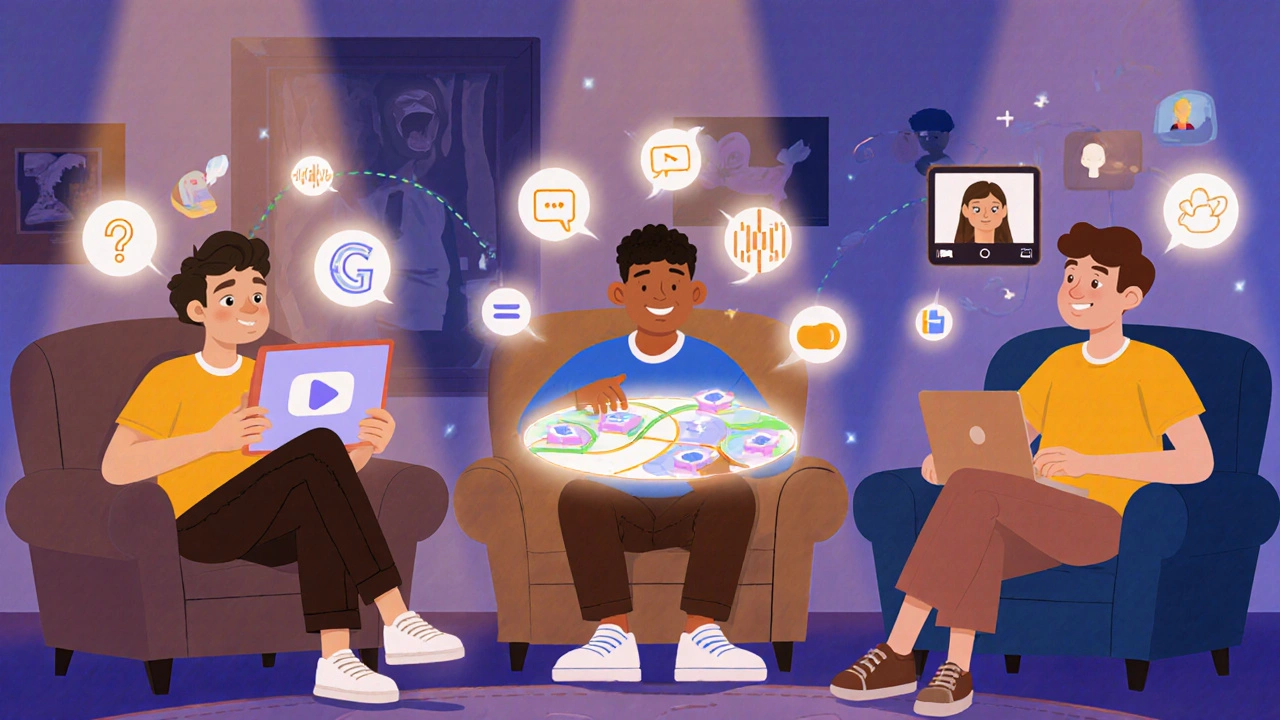
Differentiation Strategies in Online Learning Classrooms to Boost Engagement and Retention
Learn practical differentiation strategies for online classrooms that boost engagement and retention using adaptive learning techniques. Discover how to tailor content, feedback, and assessments to meet diverse student needs.
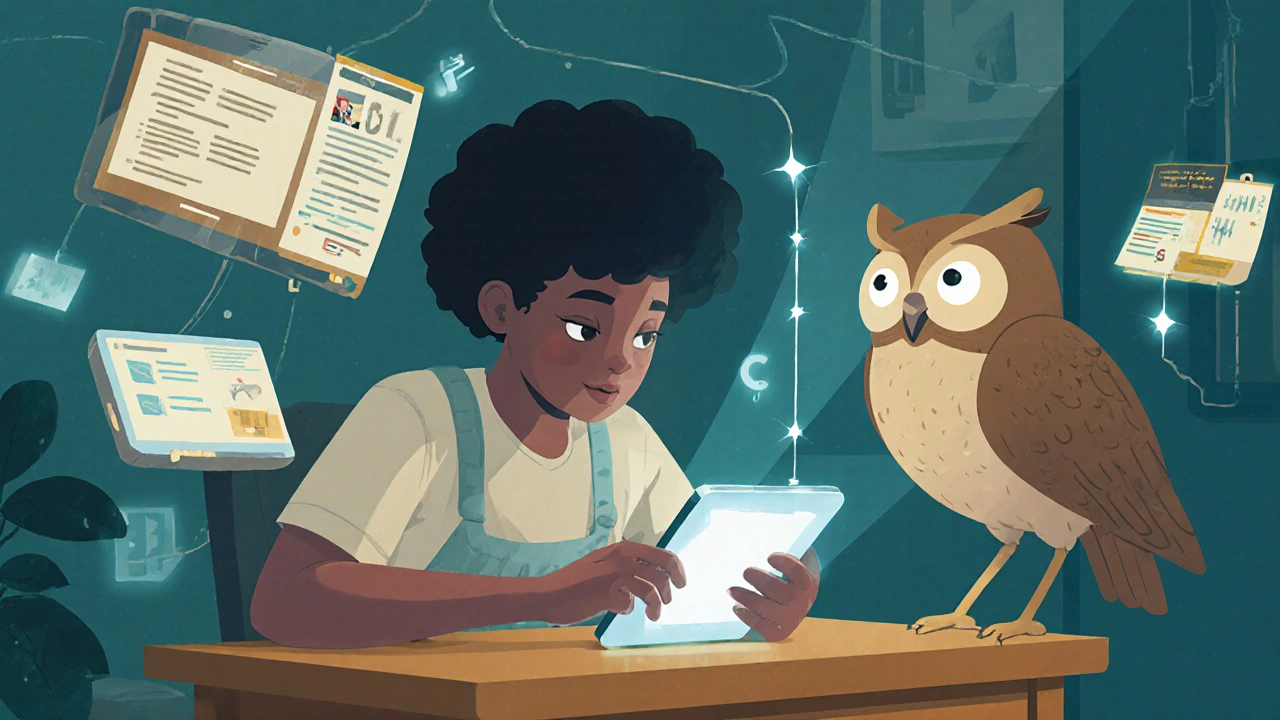
Personalization vs Customization in Online Learning: What Actually Works
Personalization and customization in online learning are often confused, but they work in completely different ways. Learn how adaptive systems learn from your behavior versus how manual settings affect your progress - and which one actually helps you learn better.