Category: Education Technology - Page 5
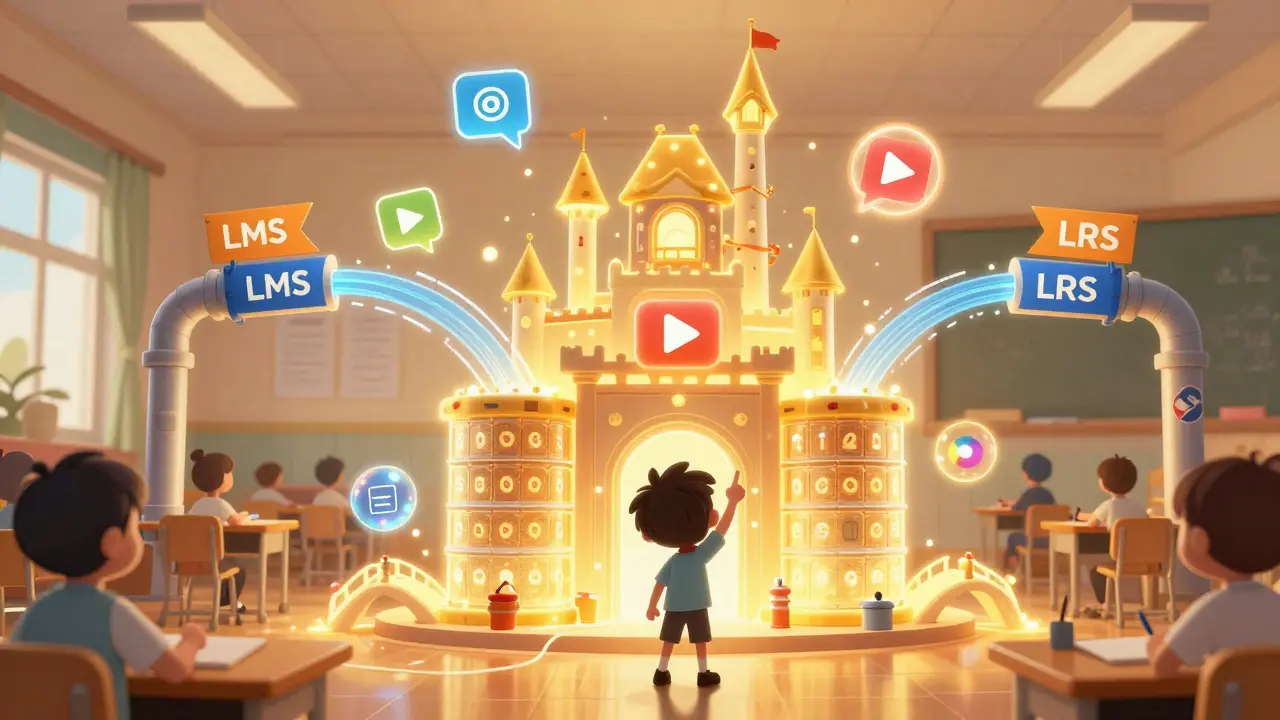
How to Build a Learning Data Warehouse from LMS and LRS Sources
Learn how to combine LMS and LRS data into a single learning data warehouse to uncover real patterns in how people learn. No fancy tools needed-just SQL and a clear goal.
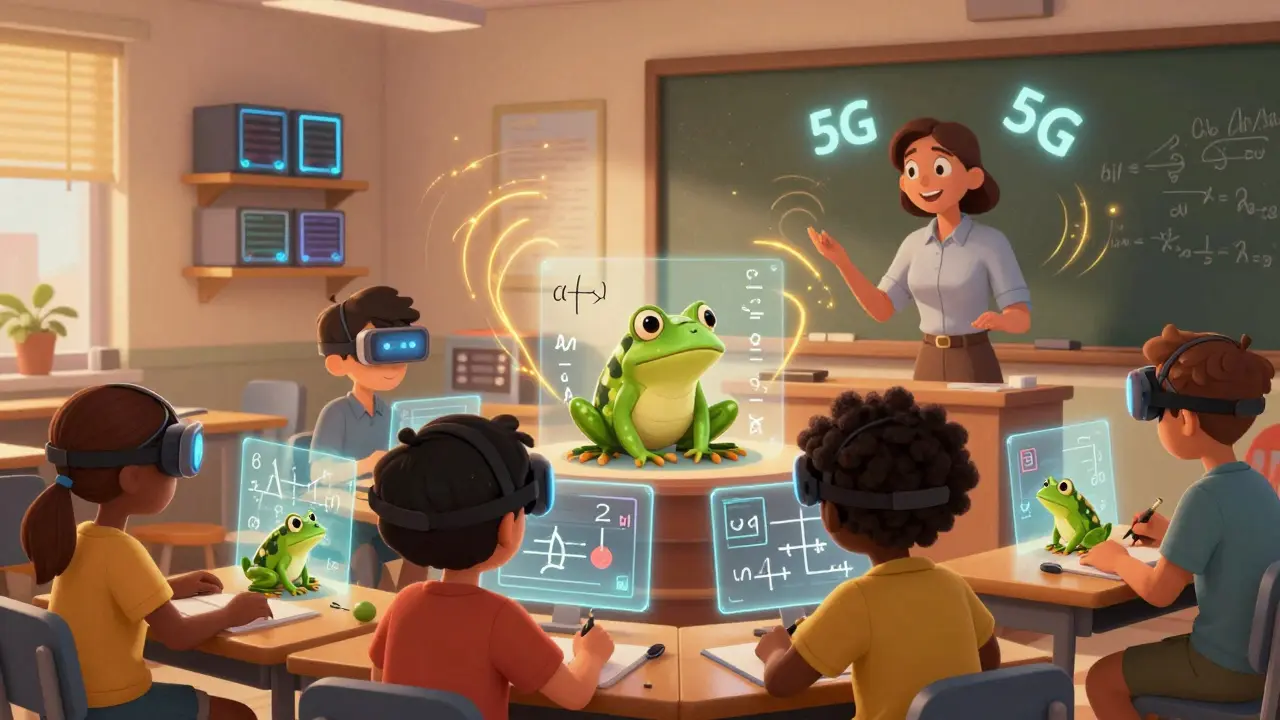
How 5G and Edge Computing Are Transforming Mobile Learning
5G and edge computing are transforming mobile learning by enabling real-time AI tutors, immersive AR experiences, and seamless learning anywhere-turning smartphones into powerful educational tools for students everywhere.

Adaptive Testing in eLearning: How Personalized Assessments Improve Learning Outcomes
Adaptive testing in eLearning adjusts question difficulty based on learner responses, cutting test time by up to 42% while improving accuracy. It boosts engagement, delivers instant feedback, and places learners in the right skill level - transforming how we assess online learning.
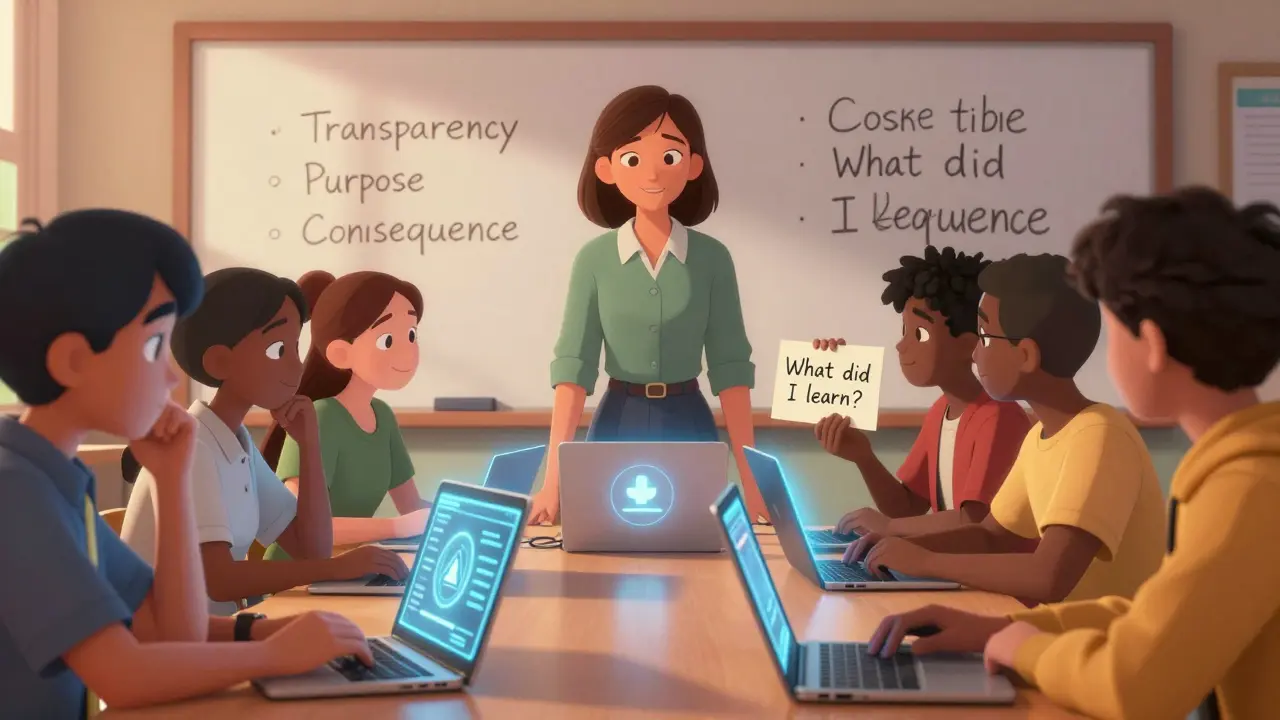
Preventing Misuse of AI Tools by Learners: Policy and Design
Preventing AI misuse among learners requires clear policies and thoughtful tool design-not bans. Schools that teach responsible use see better learning outcomes and stronger academic integrity.
Migration Tools: Easiest Course Platforms for Importing Content and Students
Discover the easiest learning platforms to import course content and student data during a migration. Learn which tools handle bulk imports, preserve grades, and auto-enroll students - without IT help.
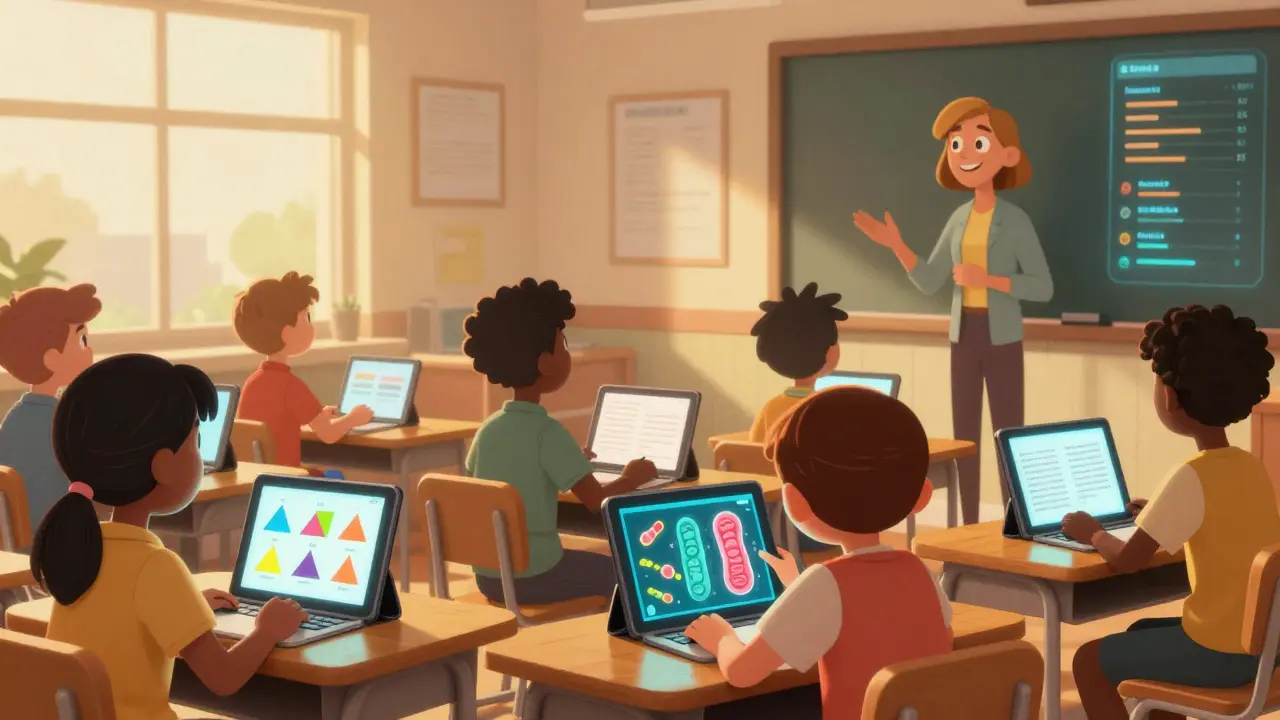
Adaptive Learning Technology Explained for Educators
Adaptive learning technology adjusts lessons in real time based on how each student learns. It helps teachers identify gaps, save time, and give personalized support - without replacing human instruction. Used right, it closes learning gaps and boosts engagement.
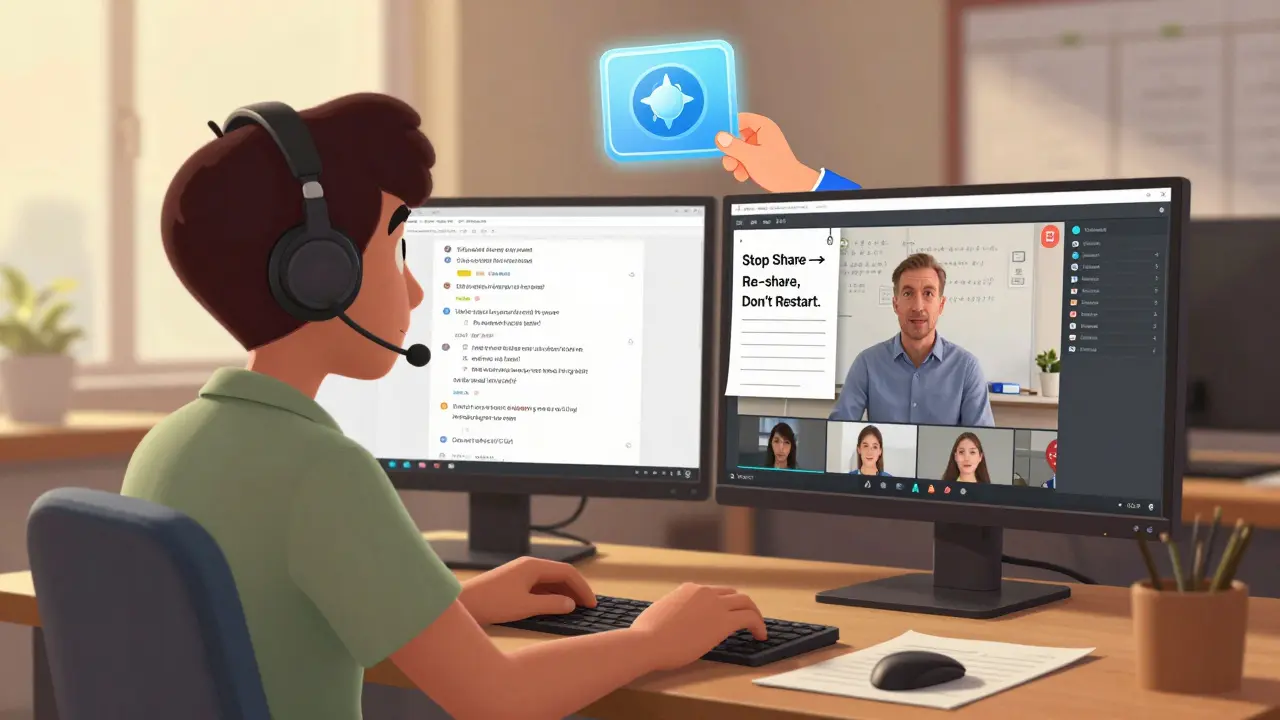
Classroom Producer Role: Tech Support for Instructors in Virtual Classrooms
A classroom producer is the unseen tech expert who keeps virtual classrooms running smoothly. They handle audio, screen sharing, chat, and troubleshooting so instructors can focus on teaching-without the stress of tech glitches.
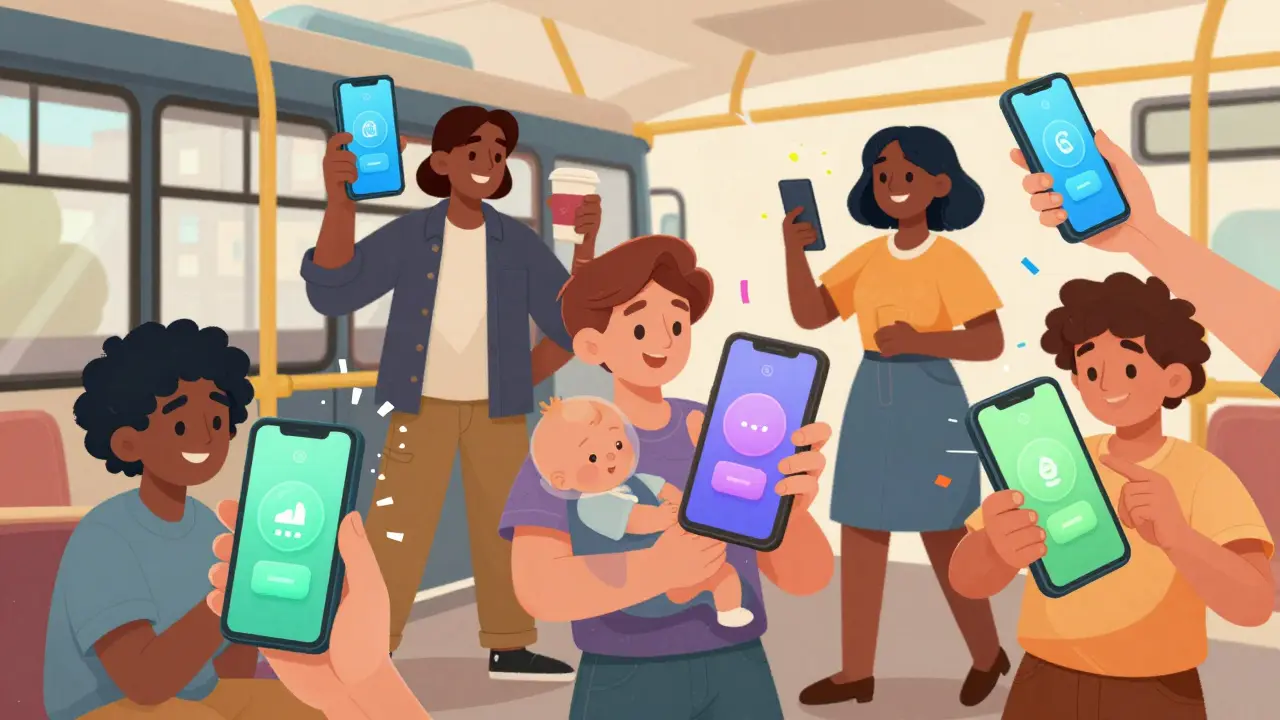
Touch Interface Design for Mobile Learning Experiences
Effective touch interface design for mobile learning ensures learners can focus on content, not controls. Learn how size, spacing, feedback, and accessibility make or break mobile education experiences.
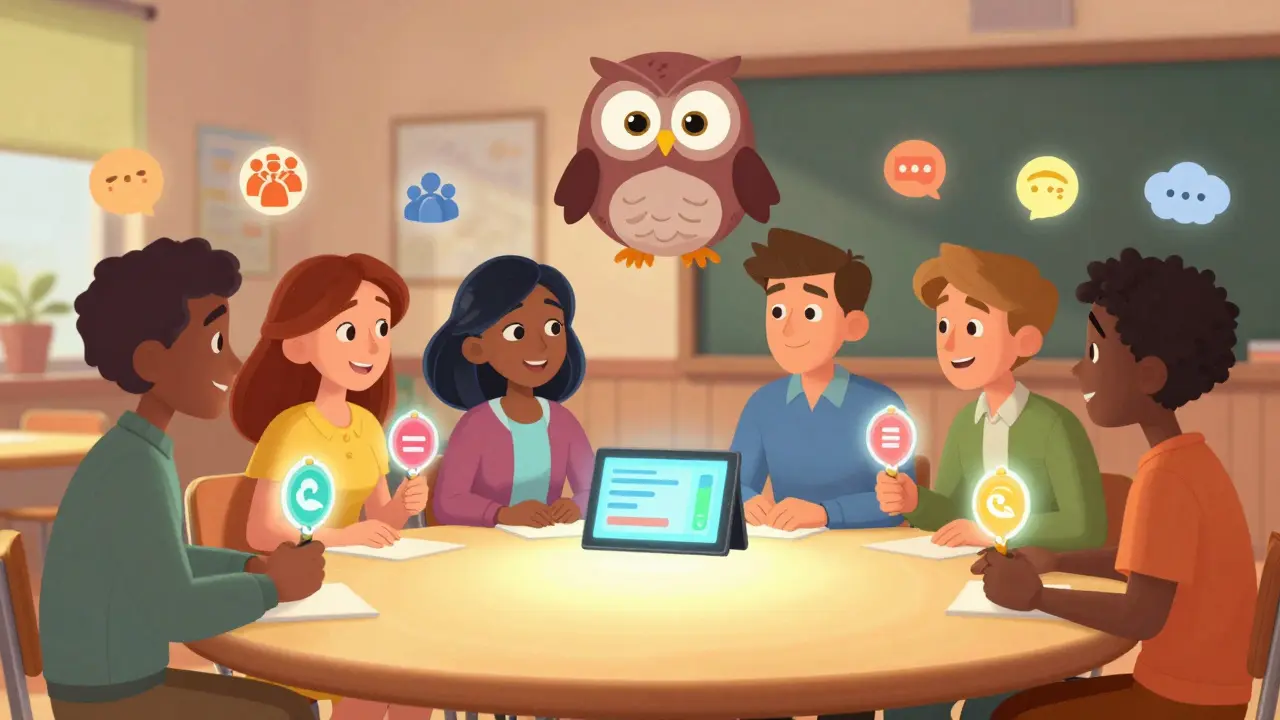
Social Features in Gamified Learning Environments That Actually Work
Social features like peer accountability, cooperative challenges, and community feedback turn gamified learning from a solo grind into a shared journey. Discover the five proven elements that boost engagement and retention.
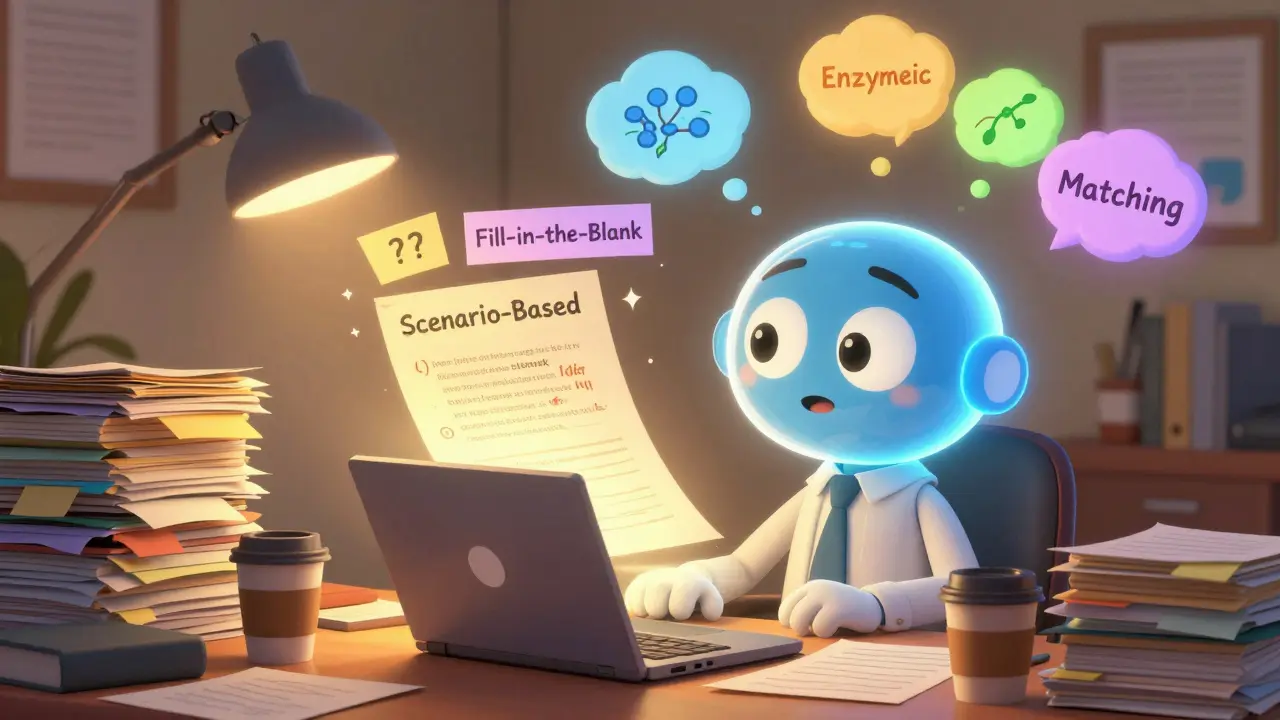
Generative AI for Quiz and Assessment Creation in Courses
Generative AI can create accurate, varied quizzes and assessments from your course content in minutes. Learn how to use it effectively, avoid common mistakes, and improve student learning without burning out.
Accessibility Statements for Course and LMS Compliance
An accessibility statement for courses and LMS platforms isn't optional-it's a legal and ethical requirement. Learn what to include, common mistakes to avoid, and how to build a clear, honest statement that protects your institution and serves all learners.
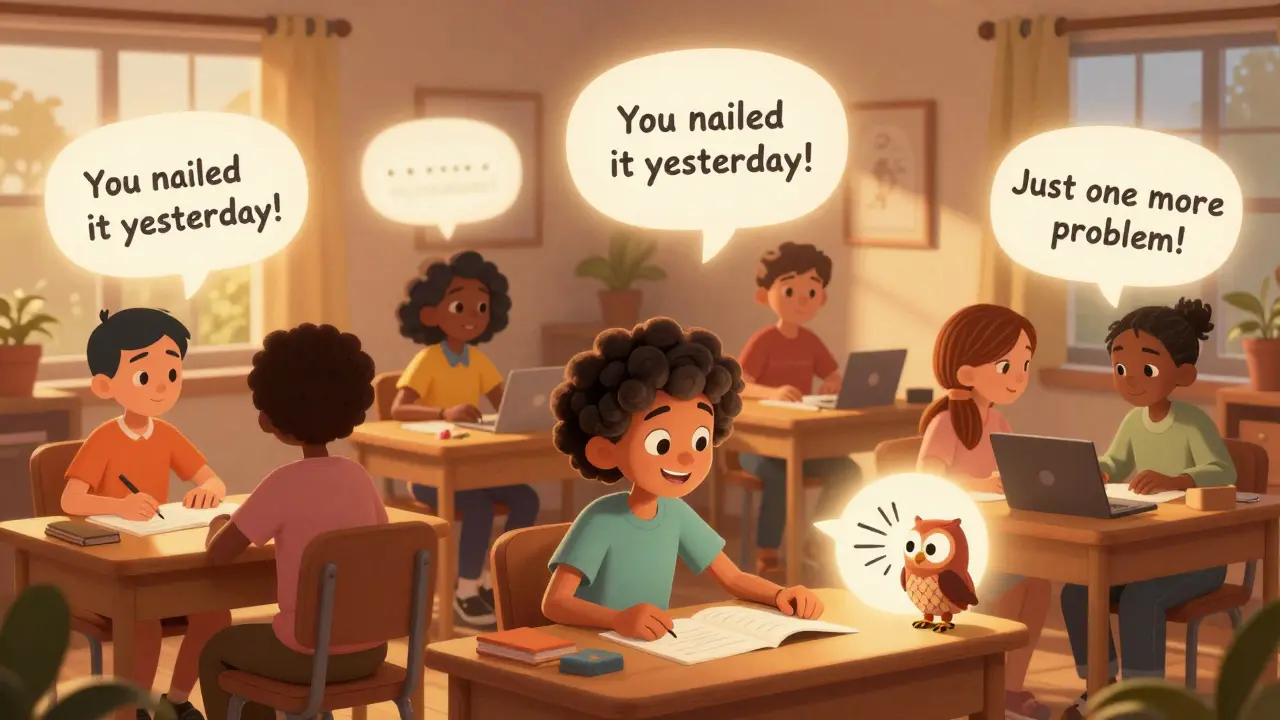
Personalized Nudges and Notifications That Improve Learning Outcomes
Personalized nudges and notifications use behavioral data to keep learners engaged, reduce dropouts, and boost completion rates by up to 61%. Learn how smart timing and context make the difference between quitting and succeeding.