Online Education: What It Takes to Build and Run a Successful Course
When you think about online education, the delivery of learning content over the internet, often through structured courses with video, quizzes, and community support. Also known as e-learning, it’s no longer just a backup option—it’s where real skills are built, careers are shifted, and people go from confused to confident. But here’s the truth: most online courses fail—not because the content is bad, but because the setup is broken. You can have the best trading strategy in the world, but if your students can’t join the class, don’t trust you, or don’t know what’s expected of them, they’ll leave. That’s why successful online education isn’t just about recording videos. It’s about virtual classroom, a digital space where live or recorded lessons happen, requiring reliable tech, clear rules, and consistent interaction that actually works. It’s about having terms of service, legal agreements that protect your content, clarify student responsibilities, and reduce disputes so you’re not caught off guard when someone tries to copy your materials. And it’s about course testimonials, real stories from students that prove your course delivers results and builds credibility with new visitors that turn strangers into paying customers.
Think about it: would you pay for a course if you didn’t know if the platform would crash halfway through? Or if the instructor never responded to questions? Or if no one else had ever finished it? That’s why the best online courses don’t just teach—they create a safe, predictable, and trustworthy experience. You need enough bandwidth so videos don’t buffer. You need clear rules so students know what’s allowed and what’s not. You need real feedback from people who’ve been through it. And you need legal protection so your hard work isn’t stolen. These aren’t optional extras. They’re the foundation. Without them, your course is just a video file sitting online. With them, it becomes a real learning environment that people stick with, recommend, and pay for again.
What you’ll find below isn’t theory. It’s what actually works. We’ve pulled together guides on how to set up a virtual classroom that doesn’t crash, how to write terms of service that protect you without sounding like a lawyer wrote them, how to get real testimonials that sell better than any ad, and how to create community guidelines that keep things respectful without turning you into a moderator on duty. These aren’t checklist items. They’re the quiet engines behind every successful course. And if you’re building one, you need to get them right—before you launch.

Self-Paced vs Cohort-Based Courses: Which Online Model Wins?
Compare self-paced vs cohort-based online courses to find the best delivery model for your content. Learn about scalability, completion rates, and hybrid strategies.

Online Vocational and Technical Training: Mastering Hands-On Skills Remotely
Explore how online vocational training uses VR, AR, and hybrid micro-labs to provide hands-on technical skills, especially for special populations and remote learners.

Essential Key Performance Indicators for Measuring Online Training Success
Discover essential Key Performance Indicators for online training programs. Learn to track engagement, ROI, and skill retention using modern analytics standards in 2026.

The Growth of Online Certification Programs: Market Insights for 2026
Explore the rapid expansion of online certification programs in 2026. Learn how micro-credentials impact employability, market costs, and employer trust.

The Growth of Online Certification Programs: Market Insights and Future Trends
Explore the rapid expansion of online certifications in 2026, including market data, employer adoption, and the technology validating digital credentials.

Refugee and Migrant Education Online: Overcoming Access and Language Barriers
Explore strategies for providing online education to refugees and migrants. Focus on overcoming connectivity gaps and language hurdles in 2026.

Online Learning Business Models Explained for Course Creators
Learn the five proven business models for selling online courses - from one-time sales to hybrid revenue systems - and how to choose the right one for your expertise and audience.
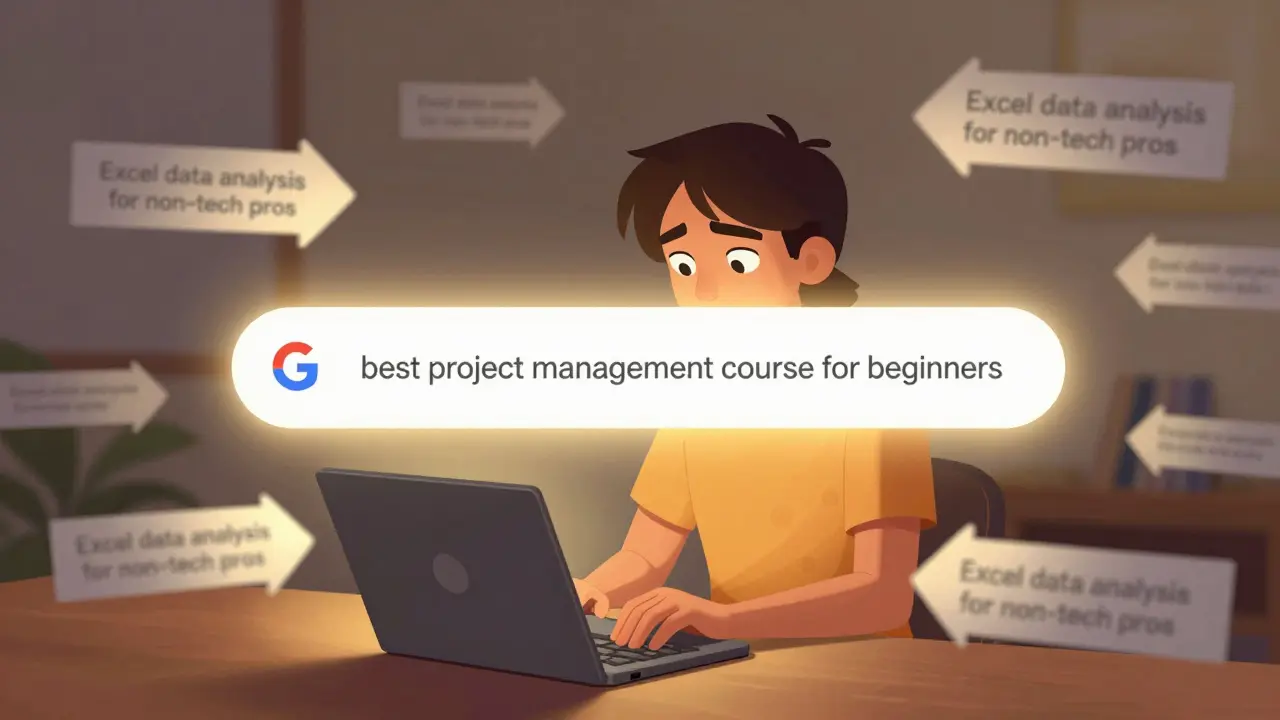
Paid Advertising Strategies for Courses: Search, Social, and Display
Learn how to use search, social, and display ads to effectively market online courses. Get practical budget splits, targeting tips, and real-world strategies that convert browsers into paying students.
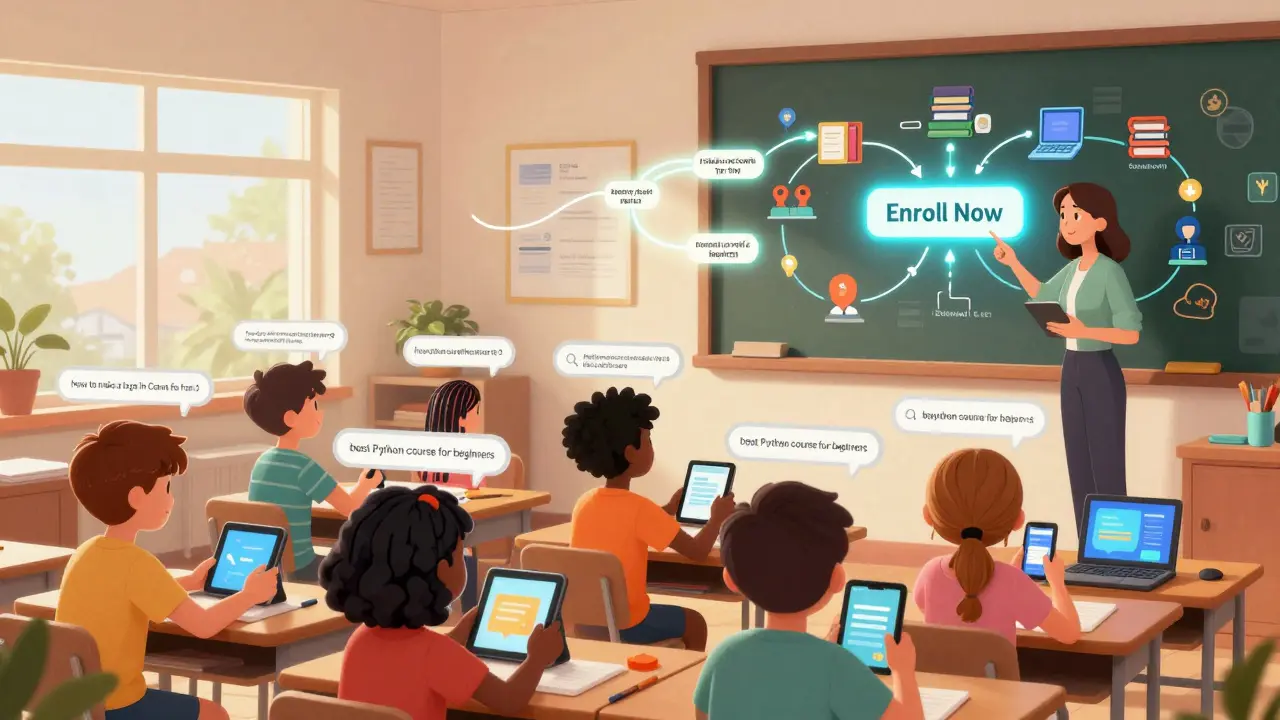
SEO for Course Websites: Ranking for Educational Keywords
Learn how to rank your course website for educational keywords by targeting real student searches, optimizing content for intent, and building topical authority - without expensive tools or technical overload.

Color Contrast in Course Design: Ratios, Tools, and Fixes
Learn how to use proper color contrast ratios in course design to make learning accessible. Tools, fixes, and real-world examples for educators and designers.

The Flipped Classroom Model: Benefits and How to Implement It
The flipped classroom model reverses traditional teaching by moving lectures online and using class time for hands-on learning. It boosts engagement, improves retention, and gives teachers more time to support students individually. Learn how to implement it step by step.

Designing Online Courses for Color-Blind Learners
Learn how to design online courses that work for color-blind learners by prioritizing contrast, patterns, and labels over color alone. Simple changes boost clarity for everyone.